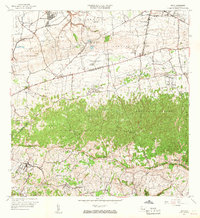
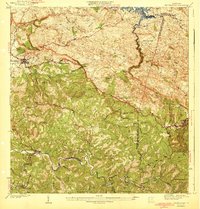
1964 Map of Moca
USGS Topo · Published 1967About this map
Moca sits at the southwestern edge of this landscape, where the urban settlement gives way to the ridges of the Cordillera Jaicoa. The map reveals a transition between the northern coastal plains and the interior highlands, marked by significant infrastructure including the Antigua Via del Ferrocarril and multiple power stations such as Central Hidroelectrica No 3. These facilities, alongside the Canal Principal, reflect a mid-century focus on hydraulic and electrical development in the region.
Find a feature on this map
74 named features on this map. Tap any name to fly to it.
Don’t see what you’re looking for? This feature index may not catch every label — zoom into the map to look around manually.
Map Details
Editions of this 1964 Moca Map
3 editions found
Other maps of this area
1937 · Aguadilla
USGS Topo · 1:20,000
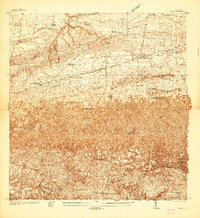
1937 · Moca
USGS Topo · 1:20,000
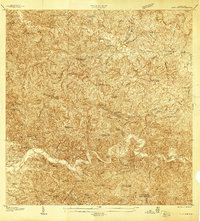
1938 · Alto Sano
USGS Topo · 1:20,000
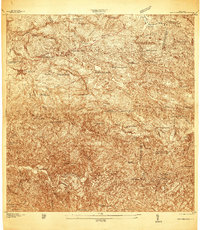
1938 · San Sebastian
USGS Topo · 1:20,000
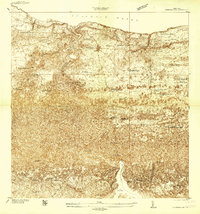
1938 · Quebradillas
USGS Topo · 1:20,000
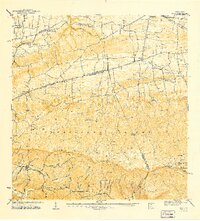
1941 · Moca
USGS Topo · 1:30,000
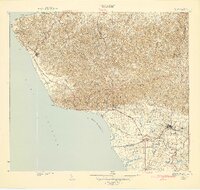
1941 · Rincon
USGS Topo · 1:30,000
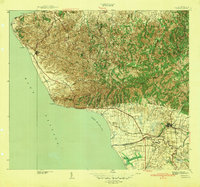
1941 · Rincon
USGS Topo · 1:30,000
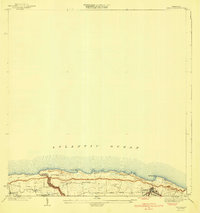
1941 · Isabela
USGS Topo · 1:30,000
1941 · San Sebastian
USGS Topo · 1:30,000
Featured Places
- Moca
- Sector Los Laureles, Aguadilla
- Reparto Méndez, Isabela
- Reparto Santa María, Aguadilla
- Sector Nieves, Moca