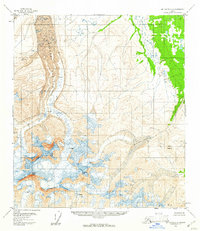
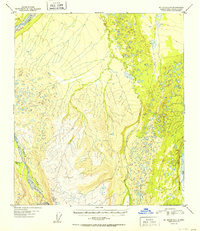
1951 Map of Mount Hayes C-5
USGS Topo · Published 1961About this map
Trident Glacier dominates the western half of this subarctic terrain, joined by a complex network of crevasses and ice fields that flow through the Alaska Range. Surveyed between 1949 and 1956, this topographical study highlights the massive scale of the high-altitude peaks, including the 13,000-foot heights near Mount Moffit and the prominent McGinnis Peak. The eastern portion of the map transitions into the steep drainage of the McGinnis Glacier, while summits such as Mount Shand and Mount Pillsbury mark the southern divide. This area remains largely untouched by roads or permanent structures, with the Bureau of Land Management predetermining land lines for unsurveyed territory. The map provides a precise record of glacial positions and elevations before late-twentieth-century shifts, including specific benchmarks like VABM 7897 Gale.
Find a feature on this map
9 named features on this map. Tap any name to fly to it.
Don’t see what you’re looking for? This feature index may not catch every label — zoom into the map to look around manually.
Map Details
Editions of this 1951 Mount Hayes C-5 Map
3 editions found
Other maps of this area
1950 · Mount Hayes
USGS Topo · 1:250,000
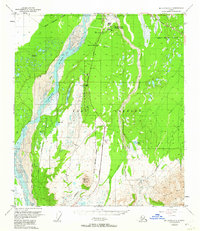
1950 · Mount Hayes D-4
USGS Topo · 1:63,360
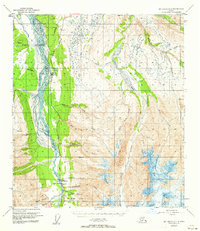
1950 · Mount Hayes C-4
USGS Topo · 1:63,360
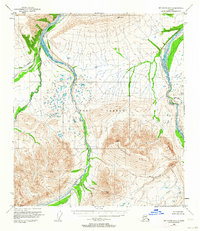
1950 · Mount Hayes D-6
USGS Topo · 1:63,360
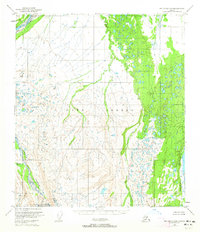
1950 · Mount Hayes D-5
USGS Topo · 1:63,360
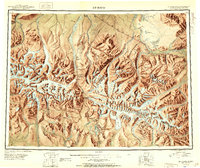
1951 · Mount Hayes
USGS Topo · 1:250,000
1951 · Mount Hayes B-6
USGS Topo · 1:63,360
1951 · Mt. Hayes B-5
USGS Topo · 1:63,360
1951 · Mount Hayes C-6
USGS Topo · 1:63,360
1952 · Mount Hayes D-5
USGS Topo · 1:63,360