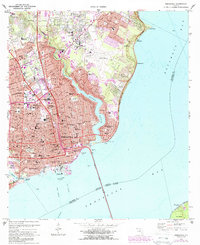
1970 Map of Pensacola
USGS Topo · Published 1988About this map
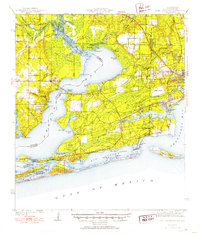
Pensacola stands as a busy hub of coastal industry and civic expansion in this late 20th-century survey, defined by its deep relationship with the surrounding waters of Pensacola Bay and Bayou Texar. The urban landscape is dense with educational and medical institutions, from Pensacola Junior College to the Sacred Heart Hospital complex, reflecting the city's role as a regional center. The waterfront remains deeply industrial, anchored by the Muscogee Wharf and the Pensacola Port Authority, while the Burlington Northern railroad lines carve through the city's heart to reach the harbor. Evidence of older community foundations persists in numerous neighborhood landmarks like Seville Square and a network of parish schools including St Michael Sch and St Josephs Sch. The map also captures the sprawling growth of suburbs like East Pensacola Heights and the development of the Pensacola Regional Airport to the northeast.
Find a feature on this map
66 named features on this map. Tap any name to fly to it.
Don’t see what you’re looking for? This feature index may not catch every label — zoom into the map to look around manually.
Map Details
Editions of this 1970 Pensacola Map
3 editions found
Other maps of this area
1920 · Milton
USGS Topo · 1:62,500
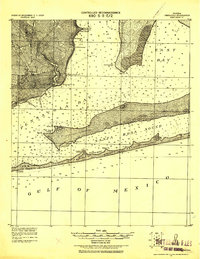
1921 · Pensacola
USGS Topo · 1:62,500
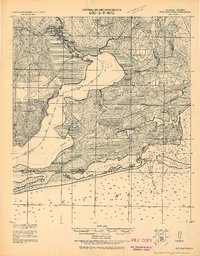
1921 · Fort Barrancas
USGS Topo · 1:62,500
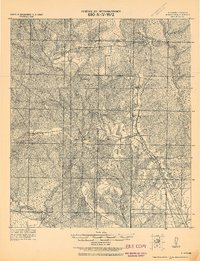
1921 · Muscogee
USGS Topo · 1:62,500
1941 · Fort Barrancas
USGS Topo · 1:62,500
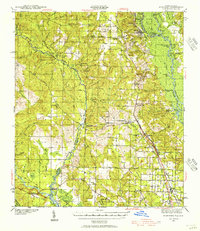
1941 · Muscogee
USGS Topo · 1:62,500
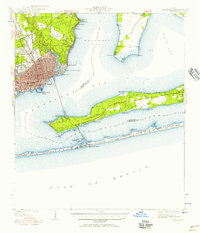
1941 · Pensacola
USGS Topo · 1:62,500
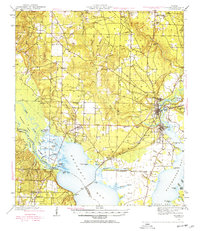
1941 · Milton
USGS Topo · 1:62,500
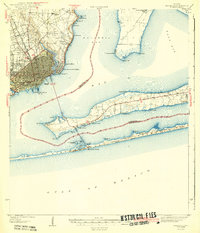
1942 · Pensacola
USGS Topo · 1:62,500
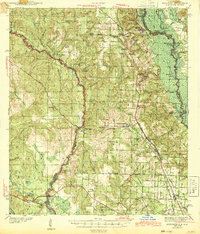
1943 · Muscogee
USGS Topo · 1:62,500
Featured Places
- Pensacola, FL
- East Pensacola Heights, Pensacola
- Gull Point, Pensacola
- Sanders Beach, Pensacola
- Brent, FL