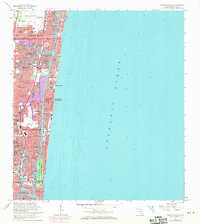
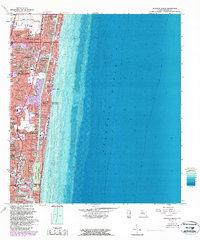
1962 Map of Pompano Beach
USGS Topo · Published 1970About this map
The Intracoastal Waterway carves a straight path through this coastal landscape, separating the mainland from a dense strip of barrier island developments. By the late 1960s, the region saw an intricate network of man-made canals and finger islands, defining neighborhoods like Garden Isles, Cypress Isles Estates, and Soroka Shores. This hydraulic engineering significantly altered the natural drainage to create waterfront property, a hallmark of mid-century Floridian urban planning.
Find a feature on this map
67 named features on this map. Tap any name to fly to it.
Don’t see what you’re looking for? This feature index may not catch every label — zoom into the map to look around manually.
Map Details
Editions of this 1962 Pompano Beach Map
5 editions found
Other maps of this area
1945 · Fort Lauderdale North
USGS Topo · 1:24,000
1946 · West Dixie Bend
USGS Topo · 1:24,000
1946 · Boca Raton
USGS Topo · 1:24,000
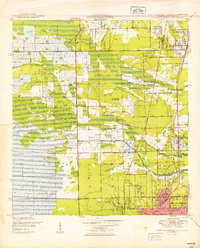
1949 · Fort Lauderdale North
USGS Topo · 1:24,000
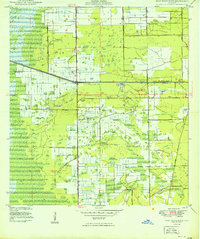
1949 · West Dixie Bend
USGS Topo · 1:24,000
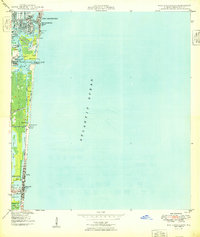
1949 · Port Everglades
USGS Topo · 1:24,000
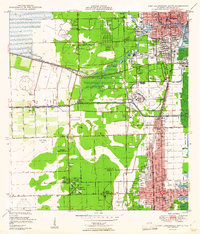
1949 · Fort Lauderdale South
USGS Topo · 1:24,000
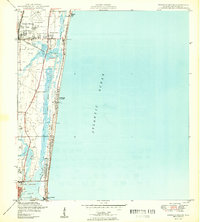
1949 · Pompano Beach
USGS Topo · 1:24,000
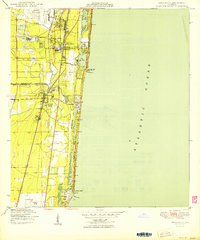
1950 · Boca Raton
USGS Topo · 1:24,000
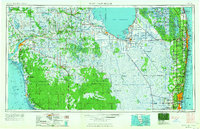
1956 · West Palm Beach
USGS Topo · 1:250,000
Featured Places
- Fort Lauderdale, FL
- Pompano Beach, FL
- Lauderdale-by-the-Sea, FL
- Birch Ocean Front, Fort Lauderdale
- Sunrise Key, Fort Lauderdale