1950s Maps of Sitka, Alaska
Explore 37 historic maps of Sitka from the 1950s. These maps offer a rare glimpse into what life looked like during the 1950s — showing old roads, neighborhoods, homes, and landmarks that have changed or disappeared over time.
Whether you're researching your family's past, planning a metal detecting trip, or studying how Sitka's landscape evolved across the 1950s, these high-resolution maps are a powerful tool for exploring the history of this region.
- Focus on a specific era: All maps on this page are from the 1950s, giving you a focused view of this time period.
- See what’s changed: Compare century-old streets, trails, and buildings to today's modern landscape using overlays and satellite layers.
- Research with precision: Use these maps for genealogy, historical research, land use analysis, or educational projects.
- View, download, or print: Maps are fully viewable online in high resolution, and can be downloaded or printed for your own records.
Start exploring Sitka's history through authentic maps from the 1950s. This is your window into the past.
Sitka, AK maps
(37)- 1950 Map of Sitka D-8
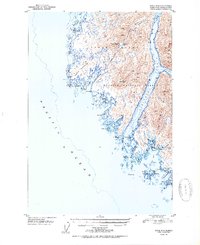 1950 Sitka D-81950 Print · USGSYakobi and Chichagof Islands appear in the late 1940s, revealing the intricate coastline of the Tongass National Forest before modern development. Maritime researchers and genealogists can trace early landmarks like White Sulphur Springs, Surge Bay Light, and the Bohemia Basin.2 unique versions available
 - 1951 Map of Juneau
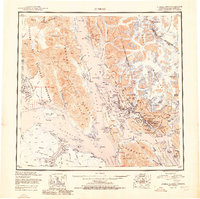 1951 Juneau1951 Print · USGSJuneau and the industrial waterfront of the Gastineau Channel are shown here at the start of the 1950s. Researchers can trace the mid-century footprint of Juneau, the mining history of Treadwell, and remote maritime outposts like Hoonah and Gustavus.4 unique versions available
 - 1951 Map of Juneau A-6, 1952 Print
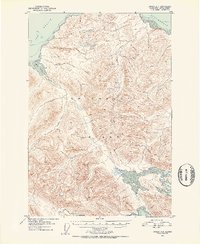 1951 Juneau A-61952 Print · USGSChichagof Island in the early fifties remains a wilderness of the Tongass National Forest, defined by its deep fjords and isolated shores. Researchers can locate remote outposts like Cabins at Neka Bay and a lonely Camp overlooking the Icy Strait.6 unique versions available
 - 1951 Map of Sitka D-7, 1953 Print
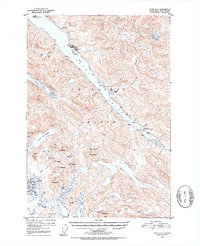 1951 Sitka D-71953 Print · USGSChichagof Island in the early fifties shows a landscape of remote mines, logging outposts, and new coastal settlements. Trace the early boundaries of Pelican or locate the historic Apex Mine and El Nido Mine nestled above Lisianski Inlet.6 unique versions available
 - 1951 Map of Sitka B-4, 1956 Print
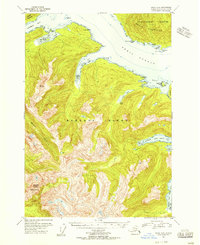 1951 Sitka B-41956 Print · USGSThe maritime wilderness of Baranof Island and Peril Strait is captured here in the mid-1950s, highlighting the remote coastal outposts of the First Judicial Division. Researchers can locate early navigation markers like McClellan Rk Light and isolated structures such as the Shelter Cabin near Lake Eva.3 unique versions available
 - 1951 Map of Sitka C-5, 1956 Print
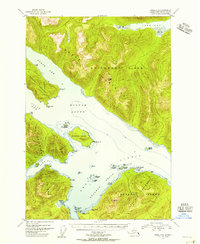 1951 Sitka C-51956 Print · USGSSoutheast Alaska’s coastal wilderness comes into focus in the early fifties, centering on the maritime junction where Chichagof and Baranof Islands meet. You can trace early shoreline landings at Favorite Anchorage and identify isolated Cabins near Poison Cove.4 unique versions available
 - 1951 Map of Sitka A-6, 1956 Print
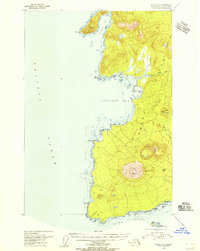 1951 Sitka A-61956 Print · USGSKruzof Island in the early fifties remains a rugged coastal wilderness dominated by the volcanic peak of Mt Edgecumbe. Researchers can trace old footpaths to Shelter Cabin or explore the remote shoreline at Shelikof Bay and the St Lazaria Nat Wildlife Refuge.4 unique versions available
 - 1951 Map of Sitka B-6, 1956 Print
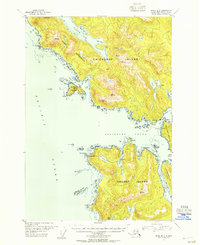 1951 Sitka B-61956 Print · USGSSoutheast Alaska’s coastal wilderness is captured in the early fifties, documenting the intersection of the outer islands before modern development. Genealogists and maritime historians can trace isolated Cabins and remote landmarks like Lake Suloia and Mt Georgiana.4 unique versions available
 - 1951 Map of Sitka C-4, 1956 Print
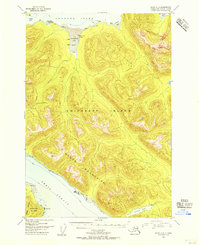 1951 Sitka C-41956 Print · USGSSoutheast Alaska at mid-century remains a landscape of maritime solitude and jagged peaks within the Tongass National Forest. Genealogists and researchers can locate remote cabins along Kadashan Bay and trace the complex shorelines of Peril Strait and Tenakee Inlet.3 unique versions available
 - 1951 Map of Sitka B-5, 1956 Print
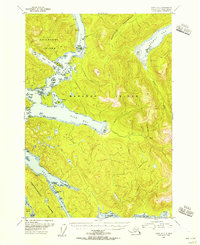 1951 Sitka B-51956 Print · USGSSoutheast Alaska in the early fifties shows a landscape of deep fjords and maritime isolation before modern development. Researchers can trace remote coastal life through the locations of Highwater Cabin, a Hot Spring, and navigations through Sergius Narrows.
 - 1951 Map of Port Alexander D-5, 1958 Print
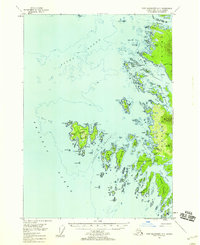 1951 Port Alexander D-51958 Print · USGSCoastal Baranof Island and its surrounding archipelagos are captured here in the early fifties, showing a landscape of remote outposts and maritime navigation. Genealogists and historians can locate the community of Goddard and trace the isolated structures at Woodhouse or the Lighthouse near Sitka Sound.3 unique versions available
 - 1951 Map of Sitka, 1958 Print
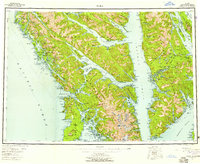 1951 Sitka1958 Print · USGSSoutheast Alaska in the early fifties reveals a landscape defined by water and remote coastal outposts. Genealogists and historians can trace established settlements like Sitka and Angoon alongside industrial markers like a Logging Camp and the Old Sitka ruins.6 unique versions available
 - 1951 Map of Port Alexander C-4, 1958 Print
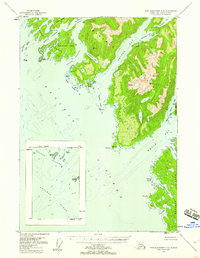 1951 Port Alexander C-41958 Print · USGSBaranof Island in the early fifties remains a roadless expanse of coastal forest and deep fjords. Maritime researchers can trace the intricate shorelines of Whale Bay and Necker Bay or locate secluded anchorages at Toy Harbor and Still Harbor.2 unique versions available
 - 1951 Map of Port Alexander D-4, 1958 Print
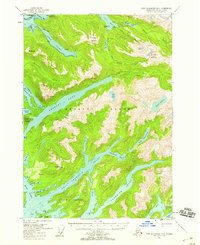 1951 Port Alexander D-41958 Print · USGSBaranof Island in the early fifties reveals a remote landscape of deep fjords and interior peaks south of Sitka. Researchers can trace isolated mines near Lucky Chance Mountain or locate early wilderness cabins along Redoubt Lake.4 unique versions available
 - 1951 Map of Port Alexander C-2, 1958 Print
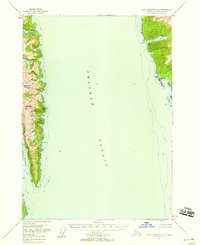 1951 Port Alexander C-21958 Print · USGSThe coastal wilderness of Baranof and Kuiu Islands is documented here in the early fifties, highlighting the region's remote maritime industry. Researchers can locate the Herring Reduction Plant at Washington Bay or trace the steep shorelines of Gut Bay and Lords Pocket.3 unique versions available
 - 1951 Map of Port Alexander B-3 and B-4, 1959 Print
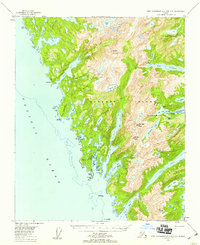 1951 Port Alexander B-3 and B-41959 Print · USGSSoutheast Alaska in the early fifties reveals a landscape of isolated maritime outposts and high alpine lakes on the southern reaches of Baranof Island. Researchers can trace the layout of Big Port Walter and Port Armstrong or locate remote landmarks like the Cabin near Sashin Lake.3 unique versions available
 - 1951 Map of Port Alexander C-3, 1959 Print
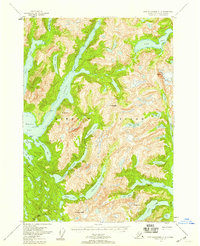 1951 Port Alexander C-31959 Print · USGSBaranof Island during the early statehood era reveals a landscape of deep fjords and alpine lakes within the Tongass National Forest. Researchers can trace remote coastal settlements and geographic landmarks from Whale Bay to Deep Cove and Plotnikof Lake.2 unique versions available
 - 1951 Map of Port Alexander D-3, 1959 Print
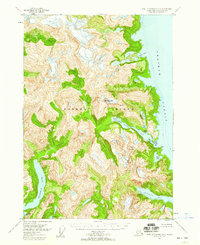 1951 Port Alexander D-31959 Print · USGSBaranof Island in the early fifties shows a rugged coastal wilderness dominated by glacial fjords and maritime industry. Trace the historic fishing economy at the Cannery on Red Bluff Bay or locate the interior reaches of Benzeman Lake and Mt Radamaker.3 unique versions available
 - 1951 Map of Port Alexander, 1959 Print
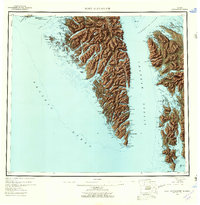 1951 Port Alexander1959 Print · USGSSoutheast Alaska in the early fifties shows a rugged maritime landscape defined by isolated fishing outposts and steep coastal mountains. Trace the locations of historic settlements like Port Alexander, the Lodge at Crawfish Inlet, and the post office at Goddard (Hot Springs P O).5 unique versions available
 - 1951 Map of Port Alexander D-2, 1959 Print
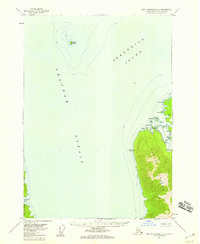 1951 Port Alexander D-21959 Print · USGSThe Alexander Archipelago in the early fifties reveals a landscape of maritime outposts and remote island terrain. Researchers can trace small coastal Cabins and navigational landmarks like Security Bay, Cedar Harbor, and the anchorage at Roadstead.3 unique versions available
 - 1951 Map of Sitka A-4, 1962 Print
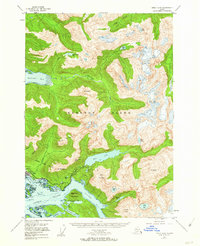 1951 Sitka A-41962 Print · USGSSoutheast Alaska's coastal frontier comes into focus during the early fifties, centering on the historic town of Sitka and its rugged shoreline. Genealogists and researchers can locate family landmarks like the Cemetery and trace the proximity of Blue Lake and Herring Cove.4 unique versions available
 - 1951 Map of Sitka C-6, 1963 Print
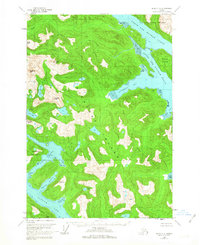 1951 Sitka C-61963 Print · USGSChichagof Island’s intricate coastline and high peaks are shown in detail during the early fifties, before modern development. Researchers can trace remote coastal Cabins and navigate the deep waters of Patterson Bay and Slocum Arm.2 unique versions available
 - 1951 Map of Sitka A-5, 1963 Print
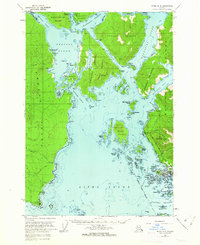 1951 Sitka A-51963 Print · USGSThe maritime landscape of Sitka in the early fifties shows a region defined by its island archipelago and postwar infrastructure. Genealogists and historians can trace the foundations of Sitka and Indian Vil, find the Old Sitka (Ruins), and locate the Army Camp (Abandoned) on Kruzof Island.3 unique versions available
 - 1951 Map of Sitka B-3, 1963 Print
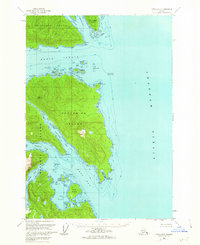 1951 Sitka B-31963 Print · USGSThe maritime crossroads of the Alexander Archipelago are captured here in the early fifties, where Catherine Island meets the deep waters of Chatham Strait. Trace the intricate shorelines and coastal features like Traders Is, Pond Island, and the remote Glacial River.2 unique versions available
 - 1951 Map of Sitka C-7, 1964 Print
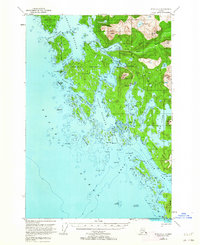 1951 Sitka C-71964 Print · USGSCoastal Alaska in the mid-twentieth century reveals a rugged maritime landscape where settlements like Chichagof were defined by the tides and the mountains. Researchers can trace the intricate shorelines of Klag Bay and identify landmarks like Doolth Mountain and Kimshan Cove.4 unique versions available
Showing maps 1-25 of 37
Top cities of Sitka
Frequently asked questions
- What are the different types of historical maps available for Sitka?
- What is the oldest map of Sitka?
- Where can I purchase historical maps of Sitka for my home or office?
- Where can I download high-res historical maps of Sitka?
- Are there historical topographic maps available for Sitka?
- Is there historical aerial imagery available for Sitka?
- Where are historical maps of Sitka sourced from?