1900s (20th Century) Maps of Wrangell, Alaska
Explore 74 historic maps of Wrangell from the 1900s (20th Century). These maps offer a rare glimpse into what life looked like during the 1900s — showing old roads, neighborhoods, homes, and landmarks that have changed or disappeared over time.
Whether you're researching your family's past, planning a metal detecting trip, or studying how Wrangell's landscape evolved across the 1900s, these high-resolution maps are a powerful tool for exploring the history of this region.
- Focus on a specific era: All maps on this page are from the 1900s, giving you a focused view of this time period.
- See what’s changed: Compare century-old streets, trails, and buildings to today's modern landscape using overlays and satellite layers.
- Research with precision: Use these maps for genealogy, historical research, land use analysis, or educational projects.
- View, download, or print: Maps are fully viewable online in high resolution, and can be downloaded or printed for your own records.
Start exploring Wrangell's history through authentic maps from the 1900s. This is your window into the past.
Wrangell, AK maps
(74)- 1948 Map of Petersburg A-1, 1957 Print
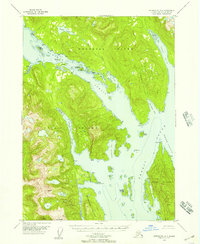 1948 Petersburg A-11957 Print · USGSSoutheastern Alaska's intricate coastline is mapped in the late 1940s, highlighting the wilderness of the Tongass National Forest. Researchers can trace old maritime routes through Zimovia Strait and find isolated Cabins near Whaletail Cove.
 - 1948 Map of Petersburg A-2, 1957 Print
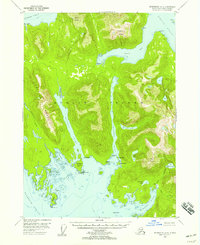 1948 Petersburg A-21957 Print · USGSSoutheast Alaska’s maritime wilderness is captured here in the late Forties, showing the deep-water inlets and rugged coastline of Etolin Island. Researchers can locate isolated seasonal outposts like Cabins and early industrial sites such as Cannery Pt.
 - 1948 Map of Petersburg C-1, 1957 Print
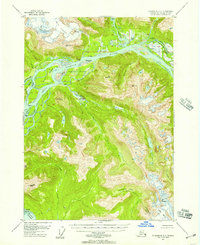 1948 Petersburg C-11957 Print · USGSCoastal Alaska at the end of the 1940s reveals a wilderness of shifting river channels and glacial ice. Trace the braided Stikine River to find Chief Shakes Hot Springs, the Groundhog Basin, and isolated riverside Cabin locations.
 - 1948 Map of Petersburg C-2, 1957 Print
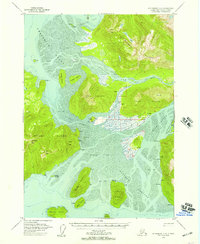 1948 Petersburg C-21957 Print · USGSSoutheast Alaska’s intricate coastal islands and glacial river deltas are captured here in the late forties. Researchers can locate remote Cabins, maritime markers at Dry Strait East Base, and geological points like Garnet Ledge and Sam Peak.
 - 1948 Map of Petersburg B-2, 1957 Print
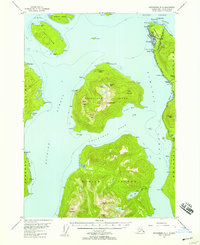 1948 Petersburg B-21957 Print · USGSThe coastal settlement of Wrangell and its surrounding islands are documented here just after the war years. Local historians can trace the townsite footprint, the Wrangell Institute, and land features like Dewey Hill or the remote Logging Camp on Vank Island.
 - 1948 Map of Petersburg B-1, 1957 Print
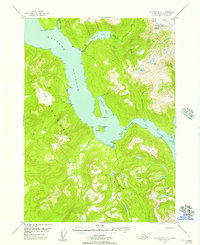 1948 Petersburg B-11957 Print · USGSWrangell Island and the surrounding Alaskan panhandle waterways are captured here shortly after the war. Local historians can trace the early footprints of coastal life through isolated Cabins, a remote Mine, and landmarks like Virginia Lake.
 - 1948 Map of Petersburg C-3, 1958 Print
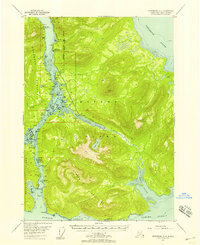 1948 Petersburg C-31958 Print · USGSMitkof Island and the Lindenberg Peninsula appear here in the late 1940s, mapped during an era of experimental agriculture and coastal navigation. Researchers can trace maritime landmarks like the Tonka (Aband) dock, the Alaska Experimental Fur Farm, and Hoffman Anchorage.
 - 1948 Map of Petersburg B-3, 1966 Print
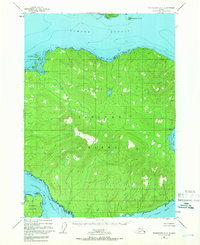 1948 Petersburg B-31966 Print · USGSZarembo Island and its surrounding channels appear here in the late 1940s as a largely untouched expanse of the Alexander Archipelago. Researchers can trace the wild coastal perimeter from St John Harbor to the waters of Meter Bight and Baht Harbor.3 unique versions available
 - 1949 Map of Craig D-3, 1954 Print
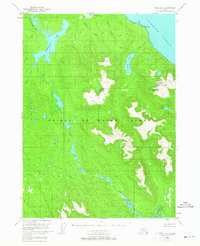 1949 Craig D-31954 Print · USGSPrince of Wales Island in the late 1940s was a roadless expanse of the Southeast Alaskan wilderness. Researchers can trace the original shoreline of Coffman Cove or follow the intricate drainage of Hatchery Creek and the Thorne River.3 unique versions available
 - 1949 Map of Craig D-2, 1963 Print
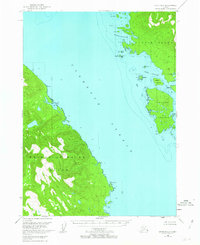 1949 Craig D-21963 Print · USGSCoastal life in Southeast Alaska at the end of the 1940s is defined by the deep waterways and islands of the Alexander Archipelago. Researchers can trace early maritime landmarks and small settlements, from the Cabins at Narrow Pt to protected waters at Dewey Anchorage and Ratz Harbor.4 unique versions available
 - 1949 Map of Ketchikan C-6, 1964 Print
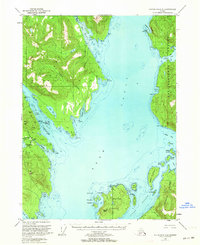 1949 Ketchikan C-61964 Print · USGSThe Southeast Alaskan coastline in the late 1940s reveals a landscape defined by remote mining operations and maritime navigation. Local historians can trace the sites of the Gold Standard Mine, Alaska Gold Mtn Mines, and cultural landmarks like the Indian Graves near Naha Bay.3 unique versions available
 - 1949 Map of Petersburg A-3, 1964 Print
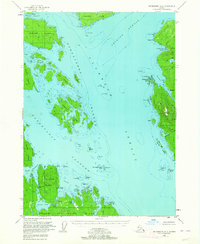 1949 Petersburg A-31964 Print · USGSThe coastal waters of the Alexander Archipelago are captured here in the mid-twentieth century. Researchers can locate the Cannery (Aband) near Lake Bay and trace the maritime routes marked by the Steamer Pt Light.3 unique versions available
 - 1949 Map of Petersburg A-4, 1964 Print
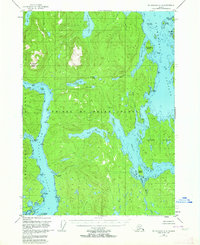 1949 Petersburg A-41964 Print · USGSSoutheast Alaska's intricate coastline and dense forests are captured here at mid-century, before the development of modern road systems. Researchers can trace the waterborne paths through Whale Passage or locate the site of Camp Taylor (Aband).3 unique versions available
 - 1949 Map of Petersburg B-4, 1965 Print
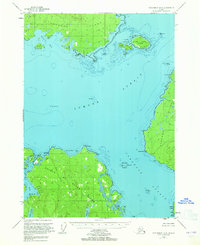 1949 Petersburg B-41965 Print · USGSThe islands of Southeast Alaska meet at the junction of Sumner Strait and Clarence Strait in the 1940s. Trace old navigation aids and coastal features like The Eye Opener Light, Mitchell, and Salmon Lake in the deep Tongass woods.3 unique versions available
 - 1949 Map of Craig D-1, 1965 Print
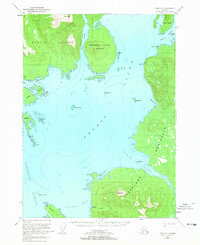 1949 Craig D-11965 Print · USGSErnest Sound and the Cleveland Peninsula are mapped here just after the war, showing the maritime routes of Southeast Alaska. Trace coastal industry and outposts at the Cannery and remote Cabin sites near Vixen Inlet and Union Bay.3 unique versions available
 - 1950 Map of Craig D-3, 1953 Print
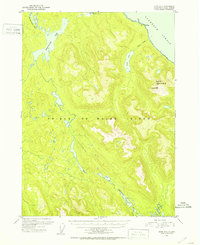 1950 Craig D-31953 Print · USGSSoutheast Alaska in the mid-twentieth century is captured here as a maritime and mountain wilderness. Researchers can trace the original shorelines and interior basins including Sweetwater Lake, Coffman Cove, and the winding Thorne River.2 unique versions available
 - 1950 Map of Craig C-1, 1966 Print
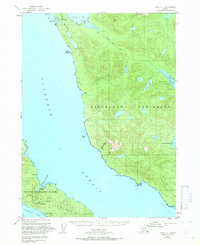 1950 Craig C-11966 Print · USGSThe rugged coastlines of the Cleveland Peninsula and Prince of Wales Island are captured here in the mid-century era. Historians can trace the legacy of local mining at Sleeping Beauty Mine and locate the site of the former settlement at Hadley.4 unique versions available
 - 1951 Map of Craig D-2, 1952 Print
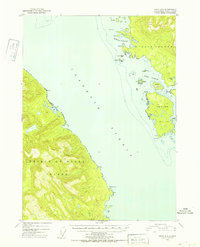 1951 Craig D-21952 Print · USGSPrince of Wales and Etolin Islands are captured in the early fifties, showing the maritime geography of the Alexander Archipelago. Maritime researchers can trace protected waters like McHenry Anchorage, Ratz Harbor, and Dewey Anchorage.2 unique versions available
 - 1951 Map of Bradfield Canal, 1953 Print
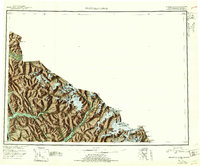 1951 Bradfield Canal1953 Print · USGSSoutheast Alaska in the early fifties reveals a landscape of massive glaciers and remote waterways along the Canadian border. Researchers can locate early industrial sites like the Riverside Mine and coastal landmarks such as Anan Lagoon or the Government Cabin.3 unique versions available
 - 1951 Map of Craig C-1, 1953 Print
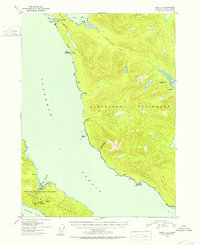 1951 Craig C-11953 Print · USGSThe Cleveland Peninsula and Prince of Wales Island are shown in the early fifties, documenting a landscape of maritime outposts and dormant mining camps. Genealogists and researchers can trace the abandoned site of Hadley and several inactive operations like the Mamie Mine or Sleeping Beauty Mine.2 unique versions available
 - 1951 Map of Craig D-1, 1953 Print
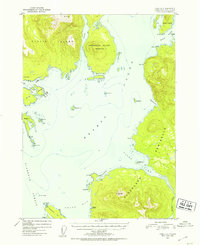 1951 Craig D-11953 Print · USGSSoutheast Alaska’s intricate coastline is charted here in the early fifties, detailing the deep waters and islands of the Alexander Archipelago. Researchers can locate remote coastal sites like Cannery (Aband) and family-named landmarks like Petersen Is and Mt Burnett.2 unique versions available
 - 1951 Map of Petersburg B-4, 1954 Print
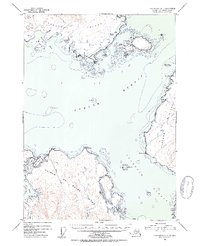 1951 Petersburg B-41954 Print · USGSSoutheast Alaska’s maritime corridors are documented here in the early fifties, focusing on the junction of Sumner Strait and Clarence Strait. Researchers can trace old navigation aids like The Eye Opener Light and explore coastal features from Red Bay to the Bushy Islands.2 unique versions available
 - 1951 Map of Petersburg B-3, 1954 Print
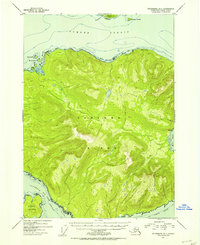 1951 Petersburg B-31954 Print · USGSZarembo Island and the surrounding waterways of Southeast Alaska appear here in the early fifties. Maritime researchers and historians can trace the intricate shoreline from St John Harbor to Meter Bight and identify landmarks like Pt Howe and Station Island.2 unique versions available
 - 1951 Map of Petersburg C-2, 1965 Print
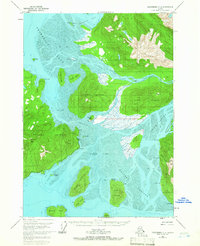 1951 Petersburg C-21965 Print · USGSSoutheastern Alaska's coastal islands and glacial waterways are captured here at mid-century, just as aerial photography began to detail the complex Stikine Delta. Researchers can trace remote outposts like Camp I, mineral sites at Garnet Ledge, and the early Highway route on Mitkof Island.2 unique versions available
 - 1951 Map of Petersburg A-1, 1968 Print
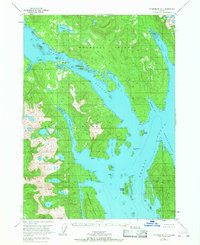 1951 Petersburg A-11968 Print · USGSWrangell and Etolin Islands are captured here in the early fifties, showing a landscape defined by maritime access and isolated settlements. Researchers can trace the layout of the Village Islands, the small settlement of Village, and remote encampments at Thoms Place.2 unique versions available
Showing maps 1-25 of 74
Top cities of Wrangell
Frequently asked questions
- What are the different types of historical maps available for Wrangell?
- What is the oldest map of Wrangell?
- Where can I purchase historical maps of Wrangell for my home or office?
- Where can I download high-res historical maps of Wrangell?
- Are there historical topographic maps available for Wrangell?
- Is there historical aerial imagery available for Wrangell?
- Where are historical maps of Wrangell sourced from?