1900s (20th Century) Maps of Fort Defiance Agency
Explore 187 historic maps of Fort Defiance Agency from the 1900s (20th Century). These maps offer a rare glimpse into what life looked like during the 1900s — showing old roads, neighborhoods, homes, and landmarks that have changed or disappeared over time.
Whether you're researching your family's past, planning a metal detecting trip, or studying how Fort Defiance Agency's landscape evolved across the 1900s, these high-resolution maps are a powerful tool for exploring the history of this region.
- Focus on a specific era: All maps on this page are from the 1900s, giving you a focused view of this time period.
- See what’s changed: Compare century-old streets, trails, and buildings to today's modern landscape using overlays and satellite layers.
- Research with precision: Use these maps for genealogy, historical research, land use analysis, or educational projects.
- View, download, or print: Maps are fully viewable online in high resolution, and can be downloaded or printed for your own records.
Start exploring Fort Defiance Agency's history through authentic maps from the 1900s. This is your window into the past.
Fort Defiance Agency maps
(187)- 1947 Map of Flagstaff, 1948 Print
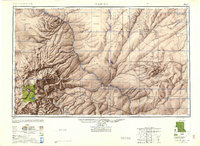 1947 Flagstaff1948 Print · USGSThe Arizona high country and the Painted Desert converge in this post-war survey. Researchers can trace the ancient mesa villages of Walpi and Oraibi, the early roads of Flagstaff, and landmarks like Sunset Crater National Monument.2 unique versions available
 - 1954 Map of Shiprock
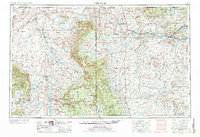 1954 Shiprock1954 Print · USGSThe Four Corners region in the mid-fifties reveals a vast landscape of tribal lands and desert landmarks. Researchers can trace the mid-century footprints of the Navajo Indian Reservation, identifying remote Trading Posts, the early growth of Farmington, and the iconic spire of Ship Rock.5 unique versions available
 - 1954 Map of Winslow, 1956 Print
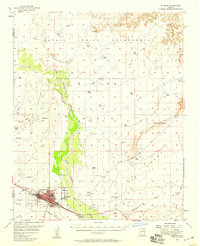 1954 Winslow1956 Print · USGSIn the mid-fifties, Winslow thrived as a vital rail and aviation crossroads along the Little Colorado River. Researchers can trace the layout of Winslow and Bushman Acres, the facilities at Winslow Municipal Airport, and the Atchison Topeka and Santa Fe tracks.2 unique versions available
 - 1954 Map of Winslow 4 NE, 1957 Print
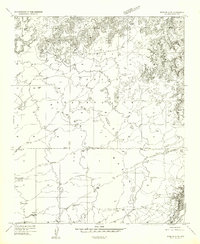 1954 Winslow 4 NE1957 Print · USGSNavajo County and the northern desert reaches are captured here in the mid-fifties, showing the intersection of ranching life and indigenous lands. Researchers can trace the old Winslow-Polacca Road past the isolated Hogan and numerous Stock Tanks.
 - 1954 Map of Flagstaff, 1966 Print
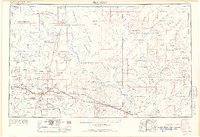 1954 Flagstaff1966 Print · USGSNorthern Arizona in the mid-fifties shows a landscape of volcanic peaks and ancestral mesa villages linked by the iconic U.S. 66. Trace the path of the Atchison Topeka and Santa Fe through Winslow or explore the settlements of Old Oraibi and Kearns Canyon.3 unique versions available
 - 1954 Map of Saint Johns, 1968 Print
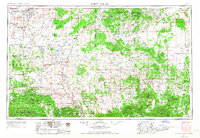 1954 Saint Johns1968 Print · USGSThe high plateau of the Arizona-New Mexico border is captured here in the mid-1950s, showing the intersection of tribal lands and national forests. Researchers can trace the cattle country and mountain outposts from Saint Johns to Pie Town and McNary.3 unique versions available
 - 1954 Map of Gallup, 1973 Print
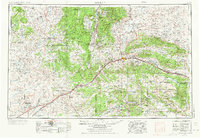 1954 Gallup1973 Print · USGSNative American tribal lands and the railroad corridor of the Southwest appear here at the midpoint of the century. Trace historic sites and remote settlements from Window Rock to the Fort Wingate Army Depot and Bibo.2 unique versions available
 - 1955 Map of Zith-Tusayan Butte 3 NW, 1957 Print
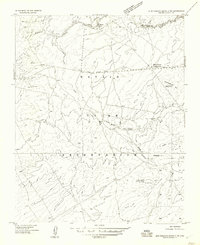 1955 Zith-Tusayan Butte 3 NW1957 Print · USGSThe Navajo Nation in Apache County comes into focus during the mid-fifties, showing a high-desert landscape of plateaus and essential outposts. Trace the early layout of Kinlichee, the Kinlichee School, and the remote Cross Canyon Trading Post along the drainage of Kinlichee Creek.
 - 1955 Map of Zith-Tusayan Butte 2 SE, 1957 Print
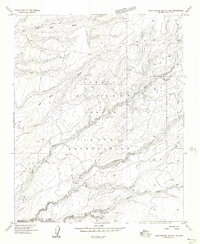 1955 Zith-Tusayan Butte 2 SE1957 Print · USGSThe Navajo Indian Reservation in the mid-1950s is defined here by the high elevations of the Defiance Plateau. Trace historical land use and water sources through labels for Kin-li-chee Creek, Ruin Wash, and isolated Spring locations.
 - 1955 Map of Zith-Tusayan Butte 4 NW, 1957 Print
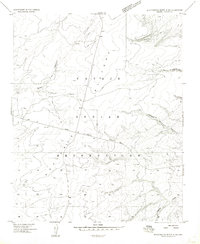 1955 Zith-Tusayan Butte 4 NW1957 Print · USGSThe high Defiance Plateau within the Navajo Indian Reservation is captured here during the mid-fifties. Local history researchers can trace early transportation routes like Indian Service Road 3 and remote water sources such as Cienega Creek.
 - 1955 Map of Zith-Tusayan Butte 2 SW, 1957 Print
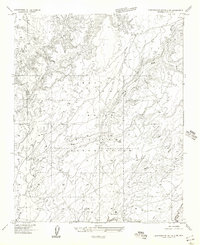 1955 Zith-Tusayan Butte 2 SW1957 Print · USGSThe Defiance Plateau within the Navajo Indian Reservation is captured here in the mid-1950s, showing a landscape shaped by seasonal water. Researchers can trace the courses of Lone Tule Wash and Sage House Wash or locate the site of Kin-li-chee.
 - 1955 Map of Zith-Tusayan Butte 3 NE, 1957 Print
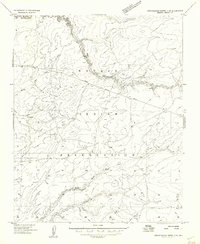 1955 Zith-Tusayan Butte 3 NE1957 Print · USGSApache County high desert life in the mid-1950s is defined by its seasonal water and government infrastructure. Researchers can trace land use patterns via the Indian Service Road 3 and scattered resources like Wide Ruin Wash and Bear Canyon.
 - 1955 Map of Zith-Tusayan Butte 4 NE, 1957 Print
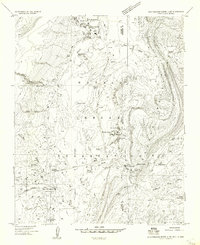 1955 Zith-Tusayan Butte 4 NE1957 Print · USGSThe Navajo capital at Window Rock and the historic settlement of Fort Defiance are captured here during the mid-fifties. Genealogists and historians can locate numerous local landmarks including the Good Shepherd Mission, the Tribal Fairgrounds, and the Karrigan Trading Post.
 - 1955 Map of Zith-Tusayan Butte 2 NE, 1957 Print
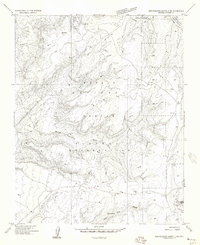 1955 Zith-Tusayan Butte 2 NE1957 Print · USGSThe Navajo Nation's high country is captured here during the mid-fifties, centered on the drainage systems of the Defiance Plateau. Researchers can trace the early road network and locate remote water sources like Segetoa Spring and Fluted Rock.
 - 1955 Map of Zith-Tusayan Butte 1 SE, 1958 Print
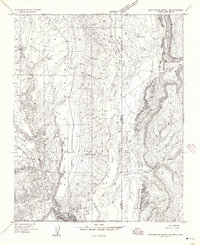 1955 Zith-Tusayan Butte 1 SE1958 Print · USGSThe Navajo Indian Reservation borderlands come alive in the mid-1950s, centered on the historic settlement of Fort Defiance. Genealogists and researchers can trace the early infrastructure of the Black Creek Valley through local reservoirs, Jeep Trails, and White Clay Spring.
 - 1955 Map of Sonsala Butte 4 SE, 1958 Print
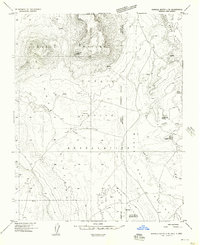 1955 Sonsala Butte 4 SE1958 Print · USGSThe high-desert terrain of the Arizona-New Mexico border is captured here in the mid-fifties within the Navajo Indian Reservation. Genealogists and historians can locate Graves, remote water sources like Black Salt Spring, and landmarks such as the Sonsela Buttes.
 - 1955 Map of Sonsala Butte 4 NW, 1958 Print
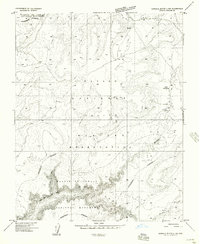 1955 Sonsala Butte 4 NW1958 Print · USGSThe Navajo Indian Reservation and the high Defiance Plateau are captured here in the mid-fifties, showing the rugged approach to the Canyon De Chelly. Researchers can locate the settlement at Lower Wheatfields, a lone Grave, and the seasonal flows of Whiskey Creek.
 - 1955 Map of Sonsala Butte 3 SE, 1958 Print
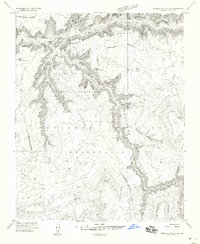 1955 Sonsala Butte 3 SE1958 Print · USGSThe Navajo Indian Reservation and the depths of Canyon De Chelly are captured here in the mid-1950s. Researchers can trace historic access routes like the Gopher Foot Trail and locate landmarks such as Spider Rock and Face Rock.
 - 1955 Map of Zith-Tusayan Butte 1 NE, 1958 Print
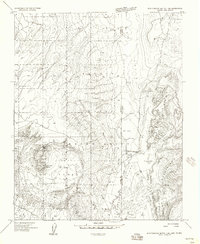 1955 Zith-Tusayan Butte 1 NE1958 Print · USGSThe high-desert landscape of the Navajo Nation is captured here in the mid-1950s along the Arizona and New Mexico border. Researchers can trace the volcanic geography of Buell Park and locate water sources like Red Lake and Black Creek.
 - 1955 Map of Zith-Tusayan Butte 1 NW, 1958 Print
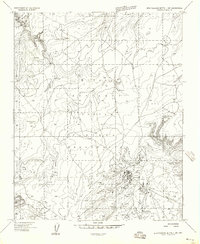 1955 Zith-Tusayan Butte 1 NW1958 Print · USGSThe Defiance Plateau comes into focus in the mid-1950s, centering on the timber operations at Sawmill. Researchers can trace the layout of the local Cem, the infrastructure of the Millpond, and fire watch positions at Fluted Rock Lookout.
 - 1955 Map of Zith-Tusayan Butte 1 SW, 1958 Print
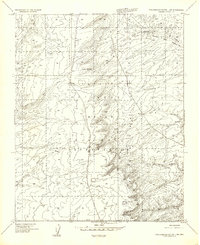 1955 Zith-Tusayan Butte 1 SW1958 Print · USGSApache County's high plateau country in the mid-1950s shows the essential water sources and terrain of the Navajo Indian Reservation. Researchers can locate isolated landmarks like Beehbito Spring, Bonito Wells, and Piney Hill.
 - 1955 Map of Sonsala Butte 4 SW, 1958 Print
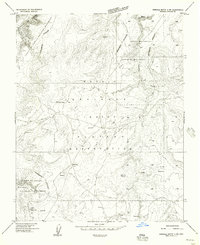 1955 Sonsala Butte 4 SW1958 Print · USGSApache County high desert life in the mid-fifties is centered on the Defiance Plateau and the edges of Canyon De Chelly National Monument. Local historians can trace early tracks near White Clay and find remote water sources like Whiskey Creek and various reservoirs.
 - 1955 Map of Sonsala Butte 4 NE, 1958 Print
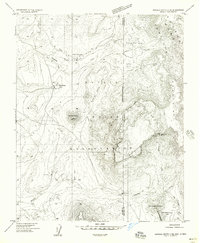 1955 Sonsala Butte 4 NE1958 Print · USGSThe high borderlands of the Arizona-New Mexico line are captured here in the mid-1950s, centered on the Navajo Indian Reservation. Researchers can trace early water infrastructure and landforms from Upper Wheatfields to the heights of White Cone and the Beshlaht hdas Cliffs.
 - 1955 Map of Canyon Del Muerto, 1959 Print
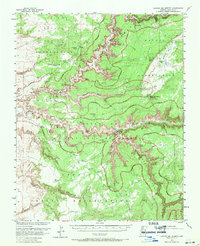 1955 Canyon Del Muerto1959 Print · USGSThe Navajo Nation in the mid-1950s reveals a profound connection between the landscape and its prehistoric history. Genealogists and historians can locate remote landmarks like the Canyon del Muerto School and ancestral sites such as White House Ruins and Standing Cow Ruins.2 unique versions available
 - 1955 Map of Nazlini, 1959 Print
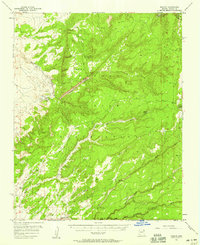 1955 Nazlini1959 Print · USGSNazlini and the high plateaus of the Navajo Nation are captured here in the mid-1950s. Genealogists and historians can trace old trails and seasonal watercourses like Lone Tule Wash, or locate remote landmarks such as Fluted Rock and Segetoa Spring.2 unique versions available
Showing maps 1-25 of 187
Top cities near Fort Defiance Agency
Top neighborhoods of Fort Defiance Agency
- Chakpahu historical maps
- Navajo historical maps
- Twin Buttes historical maps
- Naschitti historical maps
- Buffalo Springs historical maps
- Twin Lakes historical maps
See more
Frequently asked questions
- What are the different types of historical maps available for Fort Defiance Agency?
- What is the oldest map of Fort Defiance Agency?
- Where can I purchase historical maps of Fort Defiance Agency for my home or office?
- Where can I download high-res historical maps of Fort Defiance Agency?
- Are there historical topographic maps available for Fort Defiance Agency?
- Is there historical aerial imagery available for Fort Defiance Agency?
- Where are historical maps of Fort Defiance Agency sourced from?