1960s Maps of Gray County, Kansas
Explore 25 historic maps of Gray County from the 1960s. These maps offer a rare glimpse into what life looked like during the 1960s — showing old roads, neighborhoods, homes, and landmarks that have changed or disappeared over time.
Whether you're researching your family's past, planning a metal detecting trip, or studying how Gray County's landscape evolved across the 1960s, these high-resolution maps are a powerful tool for exploring the history of this region.
- Focus on a specific era: All maps on this page are from the 1960s, giving you a focused view of this time period.
- See what’s changed: Compare century-old streets, trails, and buildings to today's modern landscape using overlays and satellite layers.
- Research with precision: Use these maps for genealogy, historical research, land use analysis, or educational projects.
- View, download, or print: Maps are fully viewable online in high resolution, and can be downloaded or printed for your own records.
Start exploring Gray County's history through authentic maps from the 1960s. This is your window into the past.
Gray County, KS maps
(25)- 1967 Map of Pierceville SW, 1969 Print
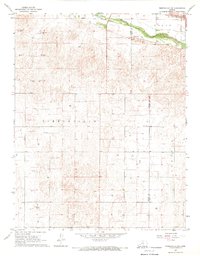 1967 Pierceville SW1969 Print · USGSThe Kansas high plains meet the winding Arkansas River in the late 1960s, capturing a moment of agricultural and industrial expansion. Researchers can trace the path of the Atchison Topeka and Santa Fe railroad or locate numerous Gas Wells across the prairie.
 - 1967 Map of Pierceville, 1969 Print
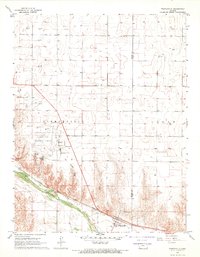 1967 Pierceville1969 Print · USGSThe Arkansas River valley in the mid-1960s serves as a hub for transport and energy between Finney and Gray counties. Researchers can trace the rail corridor of the Atchison Topeka and Santa Fe through Pierceville and locate the Pierceville Cem.
 - 1967 Map of Plains NE, 1969 Print
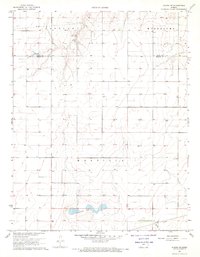 1967 Plains NE1969 Print · USGSThe High Plains of Meade and Gray Counties are captured here in the late sixties, a landscape of section lines and deep-well agriculture. Researchers can locate the Mertilla Cem and trace the drainage patterns around Wildhorse Lake and Spring Cr.
 - 1968 Map of Cimarron NW, 1969 Print
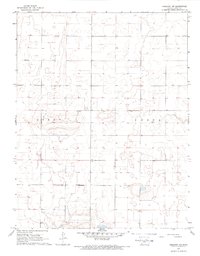 1968 Cimarron NW1969 Print · USGSWestern Kansas agricultural lands are captured in the late sixties as the grid of Logan and Foote townships took shape. Researchers can trace the distribution of rural water sources through numerous mapped wells across this prairie landscape.
 - 1968 Map of Montezuma, 1969 Print
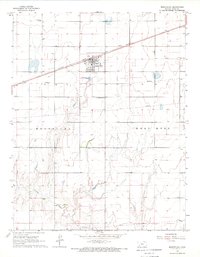 1968 Montezuma1969 Print · USGSMontezuma and the surrounding Gray County plains are shown here in the late sixties, centered on the Atchison Topeka and Santa Fe rail line. Researchers can trace local heritage at the Evans Cem or locate the Silica Pit and Gospel Fellowship Ch.
 - 1968 Map of Ingalls, 1969 Print
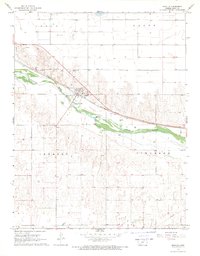 1968 Ingalls1969 Print · USGSGray County life in the late sixties centers on the riverfront town of Ingalls, where the railroad and water meet. Trace local history through the Ingalls-Logan Cem or examine the local industry at the Gravel Pit and Feed Lot.
 - 1968 Map of Dodge City NW, 1969 Print
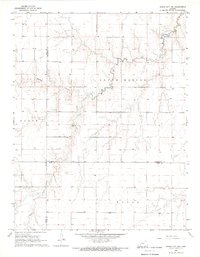 1968 Dodge City NW1969 Print · USGSThe High Plains of Western Kansas appear in the late sixties at the intersection of Gray, Hodgeman, and Ford counties. Genealogists and researchers can trace the rural landscape across South Roscoe and Royal, following Buckner Creek and its South Fork.2 unique versions available
 - 1968 Map of Montezuma NW, 1969 Print
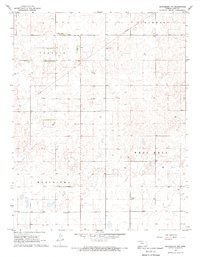 1968 Montezuma NW1969 Print · USGSGray County was defined by its agricultural layout in the late sixties, where township lines like Ingalls and Montezuma met. Researchers can trace land tracts through a web of field lines, finding landmarks like Gray Center and Fairview Cem.
 - 1968 Map of Cimarron, 1969 Print
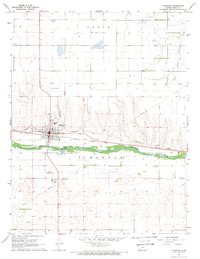 1968 Cimarron1969 Print · USGSCimarron and the surrounding plains of Gray County are shown in detail during the late sixties, centered on the river and rail corridors. Researchers can find local landmarks like the Cimarron townsite, the Ch of God in Christ, and the historic Cimarron Crossing Park.
 - 1968 Map of Cimarron NE, 1969 Print
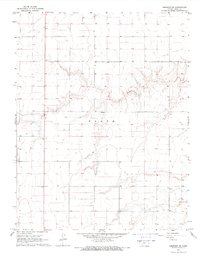 1968 Cimarron NE1969 Print · USGSWestern Kansas agricultural lands in the late sixties are captured here in high detail across the township of Foote. Genealogists and researchers can trace local water sources like Buckner Creek and identify property landmarks such as a rural Landing Strip.
 - 1968 Map of Charleston, 1969 Print
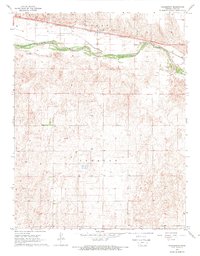 1968 Charleston1969 Print · USGSThe Arkansas River valley in western Kansas is captured here during the late sixties as the region's agricultural and transit networks matured. Genealogists and historians can trace the settlement at Charleston and the path of the Atchison Topeka and Santa Fe railroad.
 - 1968 Map of Pierceville NE, 1969 Print
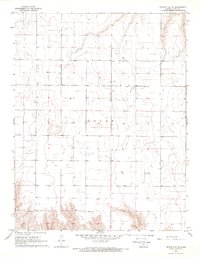 1968 Pierceville NE1969 Print · USGSGray County, Kansas, is captured in the late sixties when a quiet agricultural grid defined the local landscape. Genealogists and historians can trace old property lines and water sources through numerous Wells and sites like the Ingalls Landing Strip.
 - 1968 Map of Plains NW, 1969 Print
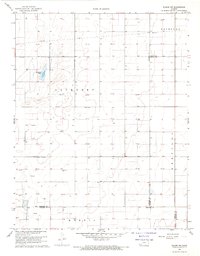 1968 Plains NW1969 Print · USGSThe high plains at the corner of Haskell, Meade, and Seward counties are captured here in the late sixties during a period of expanding energy infrastructure. Researchers can locate family-named landmarks like Ellsaesser Pond and trace township boundaries from Lockport to Morris.2 unique versions available
 - 1968 Map of Meade NW, 1969 Print
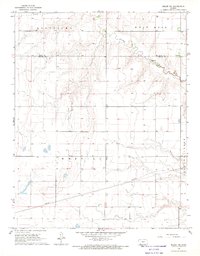 1968 Meade NW1969 Print · USGSSouthwestern Kansas during the late 1960s reveals a quiet landscape of agricultural sections and energy development. Researchers can trace the winding path of Crooked Creek and locate numerous resource wells scattered across Meridilla and West Hess.
 - 1968 Map of Dodge City SW, 1969 Print
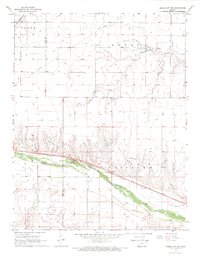 1968 Dodge City SW1969 Print · USGSThe Arkansas River valley west of Dodge City is shown here in the late sixties, where the Atchison Topeka and Santa Fe railroad defines the corridor. Researchers can locate the Ridenour Cem, the Townhall at Howell, and traces of an Abandoned Canal along the river bank.2 unique versions available
 - 1969 Map of Meade NE, 1971 Print
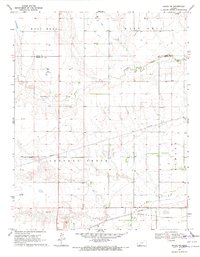 1969 Meade NE1971 Print · USGSMeade and Gray counties are captured here in the late sixties, showcasing a landscape of High Plains industry and drainage. Genealogists and historians can trace industrial landmarks like the Cudahay Mine, the Silica Pit, and the winding course of Crooked Creek.
 - 1969 Map of Copeland SE, 1971 Print
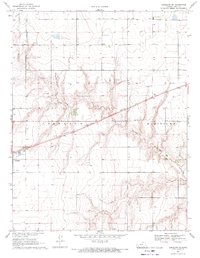 1969 Copeland SE1971 Print · USGSGray County, Kansas, is captured in the late sixties as a landscape defined by industrial transit and prairie drainage. Genealogists and historians can trace the diagonal path of the Atchison Topeka and Santa Fe railroad near Copeland and the course of Crooked Creek.
 - 1969 Map of Copeland NE, 1971 Print
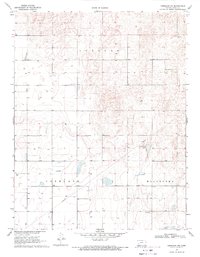 1969 Copeland NE1971 Print · USGSGray County's agricultural heartland is documented in the late sixties, showing a landscape defined by water management and township boundaries. Researchers can trace the layout of Ingalls and Montezuma, locating specific Wells and features like Wild Horse Lake.
 - 1969 Map of Fowler, 1971 Print
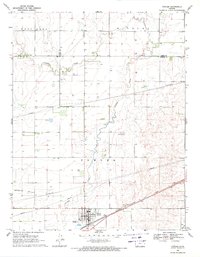 1969 Fowler1971 Print · USGSThe High Plains of Meade and Ford counties are captured here in the late sixties, centered on the Fowler settlement. Genealogists and historians can trace family locations near McCauley Cem, follow the Chicago Rock Island and Pacific rail line, or map the bends of Crooked Creek.2 unique versions available
 - 1969 Map of Haggard, 1971 Print
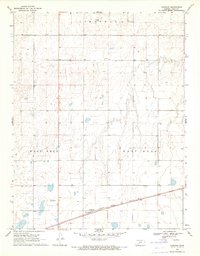 1969 Haggard1971 Print · USGSGray County’s agricultural landscape was at its mid-century peak when this survey recorded the small railroad stop at Haggard. Genealogists and historians can trace the precise location of family farm boundaries, irrigation wells, and the Atchison Topeka and Santa Fe rail line.
 - 1969 Map of Copeland, 1971 Print
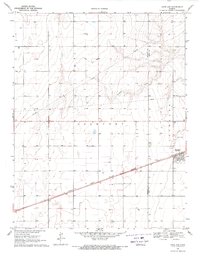 1969 Copeland1971 Print · USGSGray and Haskell counties show their agricultural foundations in the late sixties as the railroad drives local commerce. Genealogists and researchers can trace property lines through Lockport and locate features like the Cem and the siding at Tice.
 - 1969 Map of Ensign, 1971 Print
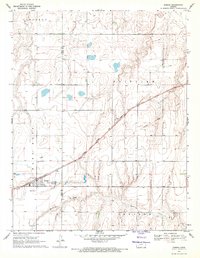 1969 Ensign1971 Print · USGSThe community of Ensign and the surrounding High Plains are captured here during the late sixties. Genealogists and local researchers can trace the diagonal Atchison Topeka and Santa Fe Railroad Grade and locate the Johnson Cem and Ensign Cem.
 - 1969 Map of Copeland NW, 1971 Print
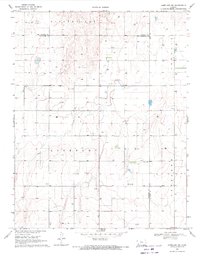 1969 Copeland NW1971 Print · USGSHaskell and Gray counties come together in the Kansas high plains during the late sixties, showing a landscape defined by industrial agriculture and mineral wells. Genealogists and historians can locate Colusa Cem, the Salem Ch, and the Radio Tower (KUPK-TV).
 - 1969 Map of Montezuma SE, 1971 Print
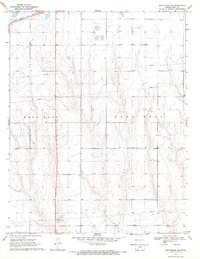 1969 Montezuma SE1971 Print · USGSThe high plains of Gray County are captured here in the late sixties as the agricultural and industrial landscape matured. Researchers can trace the path of the Atchison Topeka and Santa Fe railroad or locate the Cave Cem and various Gravel Pit sites.
 - 1969 Map of Ensign SW, 1971 Print
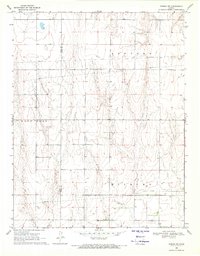 1969 Ensign SW1971 Print · USGSFord and Gray counties are captured here in the late sixties, showing a landscape of rural townships and early energy infrastructure. Researchers can trace the section lines of Wilburn and Concord or locate specific Well sites and the Pipeline route.
End of results
Showing maps 1-25 of 25
Top cities of Gray County
- Cimarron historical maps
- Montezuma historical maps
- Copeland historical maps
- Ingalls historical maps
- Ensign historical maps
Frequently asked questions
- What are the different types of historical maps available for Gray County?
- What is the oldest map of Gray County?
- Where can I purchase historical maps of Gray County for my home or office?
- Where can I download high-res historical maps of Gray County?
- Are there historical topographic maps available for Gray County?
- Is there historical aerial imagery available for Gray County?
- Where are historical maps of Gray County sourced from?