1940s Maps of St. Tammany Parish, Louisiana
Explore 11 historic maps of St. Tammany Parish from the 1940s. These maps offer a rare glimpse into what life looked like during the 1940s — showing old roads, neighborhoods, homes, and landmarks that have changed or disappeared over time.
Whether you're researching your family's past, planning a metal detecting trip, or studying how St. Tammany Parish's landscape evolved across the 1940s, these high-resolution maps are a powerful tool for exploring the history of this region.
- Focus on a specific era: All maps on this page are from the 1940s, giving you a focused view of this time period.
- See what’s changed: Compare century-old streets, trails, and buildings to today's modern landscape using overlays and satellite layers.
- Research with precision: Use these maps for genealogy, historical research, land use analysis, or educational projects.
- View, download, or print: Maps are fully viewable online in high resolution, and can be downloaded or printed for your own records.
Start exploring St. Tammany Parish's history through authentic maps from the 1940s. This is your window into the past.
St. Tammany Parish, LA maps
(11)- 1941 Map of Honey Island
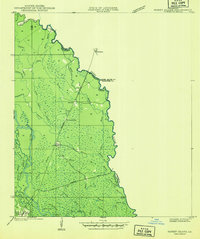 1941 Honey Island1941 Print · USGSThe lower Pearl River basin at the start of the 1940s reveals a dense network of swamp bayous and rail sidings. Genealogists and historians can trace the paths of Highway No 11 and the Southern railroad through Benton and past Honey Island.
 - 1942 Map of Onville
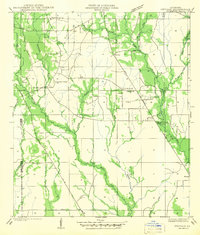 1942 Onville1942 Print · USGSThe rural borderlands of St. Tammany and Tangipahoa Parish are meticulously detailed in this early 1940s survey. Genealogists and local historians can locate family landmarks like Fendlason Cem, the Onville Sch, and the Live Oak Ch.
 - 1942 Map of Waldheim
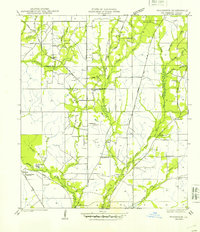 1942 Waldheim1942 Print · USGSThe piney woods of St. Tammany Parish appear in the late thirties as a landscape of small settlements and river-carved terrain. Researchers can locate family landmarks like the Fitzgerald Cem, Waldheim Sch, and the St Gertrudes Convent.
 - 1942 Map of Husser
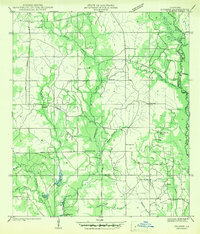 1942 Husser1942 Print · USGSIn the early 1940s, the rural reaches of Tangipahoa Parish were a patchwork of small schools, family cemeteries, and winding creeks. Genealogists and local historians can trace community roots through sites like Stevens Cem, St Dominic Sch, and Sudville Ch.
 - 1942 Map of Robert
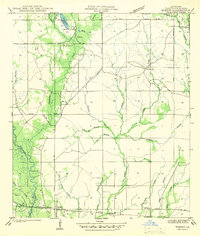 1942 Robert1942 Print · USGSTangipahoa Parish in the early 1940s was a landscape of river-fed lowlands and timber-rich estates. Researchers can locate family landmarks like Reid Cem, trace the Illinois Central tracks, or find local centers like Uneedus Sch and Zemurray Lodge.
 - 1942 Map of Talisheek
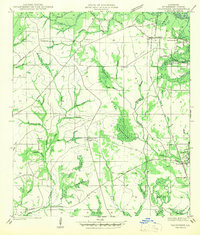 1942 Talisheek1942 Print · USGSSt. Tammany Parish during the early war years shows a rural landscape of logging railroads and creek-fed bottomlands. Genealogists can locate family landmarks like Slavinghouse Cem, Old CCC Camp, and Grimmett Siding along the rail line.
 - 1942 Map of Rio
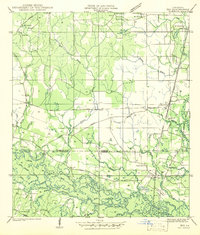 1942 Rio1942 Print · USGSThe borderlands of Washington and St. Tammany Parishes are captured here in the early 1940s as the Bogue Chitto River winds through the southern woods. Researchers can locate many family-named landmarks including the Old Magee Cem, Rosenwald Sch, and the rail stop at Rio.
 - 1942 Map of Walkiah Bluff
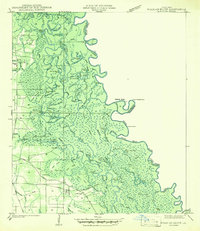 1942 Walkiah Bluff1942 Print · USGSSt. Tammany Parish, Louisiana, during the early 1940s reveals a dense network of river sloughs and active timber lands. Genealogists and historians can trace family burial sites at Thomas Cem and Keller Cem or locate the defunct Logging Railroad Grade.
 - 1942 Map of Pools Bluff
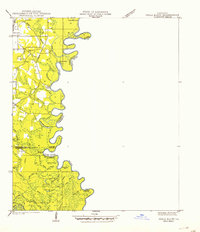 1942 Pools Bluff1942 Print · USGSThe Pearl River bottomlands at the start of the 1940s reveal a landscape of dense bayous and isolated river settlements. Genealogists can locate family burial grounds like Sheridan Cem and Morris Cem, or trace early transit routes such as the Float Road.
 - 1946 Map of Rigolets
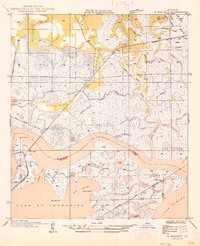 1946 Rigolets1946 Print · USGSCoastal St. Tammany Parish at the end of the Second World War was a labyrinth of tidal passes and marsh ridges. Genealogists and historians can trace the strategic layout of Ft Pike, the small settlement at Rigolets, and the remote W Rigolets L H light station.
 - 1949 Map of Grand Island Pass
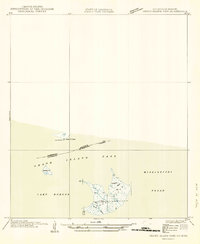 1949 Grand Island Pass1949 Print · USGSThe coastal boundary of Louisiana and Mississippi is captured here in the late 1940s, just before significant coastal changes reshaped the marsh. Researchers can trace the mid-century shoreline of Grand Island and locate the Lake Borgne L. H. at the edge of the Mississippi Sound.
End of results
Showing maps 1-11 of 11
Top cities of St. Tammany Parish
- Slidell historical maps
- Mandeville historical maps
- Covington historical maps
- Abita Springs historical maps
- Madisonville historical maps
- Folsom historical maps
See more
Frequently asked questions
- What are the different types of historical maps available for St. Tammany Parish?
- What is the oldest map of St. Tammany Parish?
- Where can I purchase historical maps of St. Tammany Parish for my home or office?
- Where can I download high-res historical maps of St. Tammany Parish?
- Are there historical topographic maps available for St. Tammany Parish?
- Is there historical aerial imagery available for St. Tammany Parish?
- Where are historical maps of St. Tammany Parish sourced from?