Old Maps of Chaves County, New Mexico for Hiking & Exploration
Hike through history with 795 historic maps of Chaves County. Explore old trails, ghost towns, and forgotten backroads — perfect for outdoor adventurers and local explorers.
- Rediscover forgotten places: Map out old mining camps, roads, and footpaths that no longer exist on modern maps.
- Layer with modern tools: Combine with LiDAR or satellite views to plan hikes through historical terrain.
- Made for exploration: Popular among hikers, overlanders, and local history lovers.
Use these maps to find adventure and explore the hidden past of Chaves County.
Chaves County, NM maps
(795)- 1949 Map of Sardine Mountain
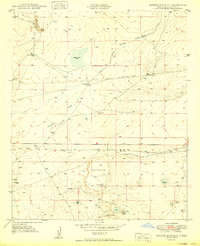 1949 Sardine Mountain1949 Print · USGSChaves County ranching and military history converge in the desert landscape of the late 1940s. Researchers can trace the water infrastructure of the L-E Ranch or locate the Air Force Bombing Range (Aban'd) and the unique Devils Race Track.2 unique versions available
 - 1949 Map of Wade Ranch
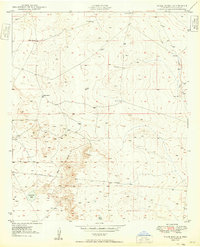 1949 Wade Ranch1949 Print · USGSChaves County ranching lands are captured here in the late 1940s, showing the intersection of livestock operations and early oil exploration. Researchers can trace the Old Pipeline Road and find remote water sources like Horse Pasture Tank and Annaya Well.2 unique versions available
 - 1949 Map of Hondo Reservoir
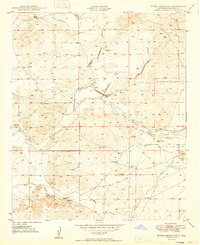 1949 Hondo Reservoir1949 Print · USGSChaves County's high desert landscape appears in the late 1940s as a study in water management and ancient history. Local researchers can trace the Hondo Reservoir and Hondo Irrigation Project alongside the Missouri Plaza Indian Ruins.2 unique versions available
 - 1949 Map of Peters Lake
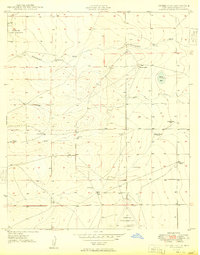 1949 Peters Lake1949 Print · USGSThe high plains of Chaves County are seen here in the late 1940s as military aviation and ranching shaped the New Mexico landscape. Genealogists and historians can locate family landmarks like Jenkins Ranch or trace the early military history of Walker Air Base Auxiliary Landing Field No 1.2 unique versions available
 - 1949 Map of Roswell North
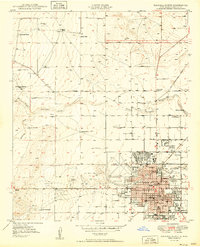 1949 Roswell North1949 Print · USGSPost-war Roswell was a growing aviation and educational hub at the edge of the Pecos Valley. Genealogists and local historians can trace the foundations of the city through the New Mexico Military Institute, the Poor Clares Monastery, and outlying family sites like the Forsite Homestead.
 - 1949 Map of Roswell South
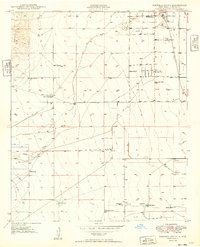 1949 Roswell South1949 Print · USGSThe southern periphery of Roswell is captured here in the late 1940s, showcasing a landscape shaped by the Rio Hondo and early ranching. Genealogists and historians can trace family landmarks like Mayes Ranch and schools like Mountain View Sch.
 - 1949 Map of Malstrom Ranch
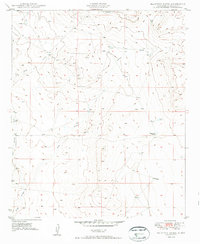 1949 Malstrom Ranch1949 Print · USGSChaves County ranching and military history are preserved here just after World War II. Researchers can locate remote water sources like Chuck Box Well and Douthett Tank or trace the perimeter of the Air Force Bombing Range.
 - 1949 Map of Juan Lake
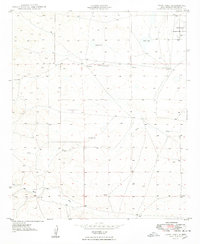 1949 Juan Lake1949 Print · USGSChaves County ranching and military history meet on the arid plains of the late 1940s. Researchers can locate named water sources like Humphrys Well and Haney Well or trace the early footprint of Walker Air Base Auxiliary Landing Field No 1.
 - 1949 Map of L-E Ranch, 1976 Print
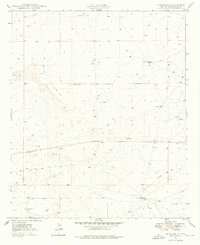 1949 L-E Ranch1976 Print · USGSChaves County ranching lands are captured here in the late 1940s, highlighting the isolated outposts of this arid landscape. Researchers can trace historic property markers and water infrastructure including the L-E Ranch, Petty Windmill, and Arroyo Long.2 unique versions available
 - 1949 Map of Corn Ranch, 1977 Print
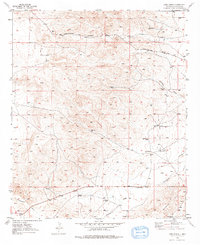 1949 Corn Ranch1977 Print · USGSRanching life in Chaves County is captured here just after the war, showing the essential water and road networks of the high plains. Researchers can trace the layout of Corn Ranch and the isolated landmarks that defined the local geography during this era.
 - 1950 Map of Dexter West
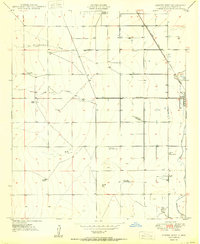 1950 Dexter West1950 Print · USGSChaves County's agricultural and ranching heartland is captured here at mid-century, just as the regional economy was being shaped by irrigation and aviation. Genealogists and historians can trace family holdings like Lowe Ranch or locate industrial sites like Bogies Cotton Gin and the Twin Wells Stock Pens.4 unique versions available
 - 1950 Map of Corn Ranch
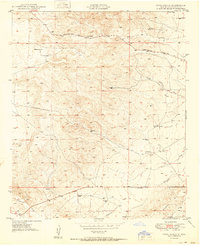 1950 Corn Ranch1950 Print · USGSChaves County ranching lands are captured here at mid-century, showing the critical infrastructure of water and travel in the high desert. Researchers can trace remote homesteads and wells like Corn Ranch, Rosenberg Well, and the path of the Roswell-Pine Lodge Road.
 - 1950 Map of Comanche Spring
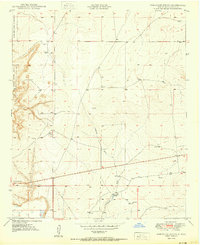 1950 Comanche Spring1950 Print · USGSChaves County ranching lands and the western edge of the Pecos River valley are captured in the early fifties. Researchers can trace the essential water network of the era, from the namesake Comanche Spring to dozens of scattered Windmills.3 unique versions available
 - 1950 Map of Bottomless Lakes
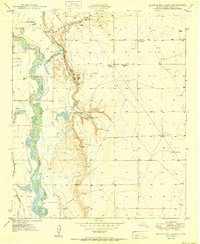 1950 Bottomless Lakes1950 Print · USGSThe high plains of Chaves County meet the Pecos River valley at mid-century, where unique sinkhole geology created a legendary desert oasis. Researchers can trace historic property boundaries like Atkinson Ranch and find early recreational landmarks including Lea Lake and the Fin and Feather Club.4 unique versions available
 - 1950 Map of South Spring
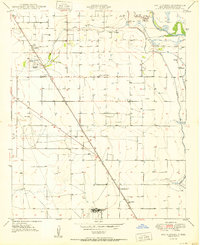 1950 South Spring1950 Print · USGSThe Pecos River valley in the early 1950s shows a landscape transformed by the Hagerman Canal and the railroad. Genealogists can trace the rural communities of Orchard Park and Oasis, including the local Oasis Sch.
 - 1950 Map of Bitter Lake
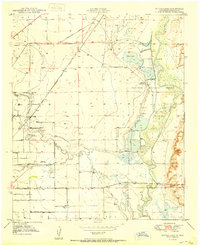 1950 Bitter Lake1950 Print · USGSMid-century Chaves County comes to life in this survey of the Pecos River valley and its surrounding high plains. Researchers can locate the St Marys Cem, trace the Atchison Topeka and Santa Fe rail line, or explore the early grounds of the Roswell Country Club.
 - 1950 Map of Dexter East
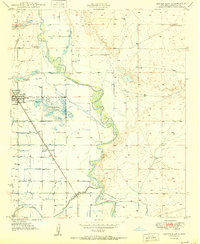 1950 Dexter East1950 Print · USGSThe Pecos River valley comes alive in this mid-century survey of Chaves County agriculture and irrigation. Genealogists and local historians can trace the rail-side growth of Dexter and Greenfield or locate the Dexter Federal Fish Hatchery and Calumet Ranch.3 unique versions available
 - 1951 Map of Ninemile Well, 1953 Print
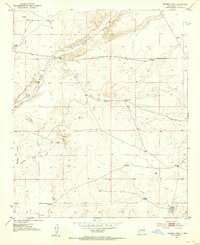 1951 Ninemile Well1953 Print · USGSChaves County ranching life in the early fifties was centered on remote outposts and vital water sources scattered across the desert. Genealogy researchers can locate family sites like Greer Ranch or trace cattle-country landmarks like Ninemile Well and Rattlesnake Windmill.3 unique versions available
 - 1951 Map of King Camp, 1953 Print
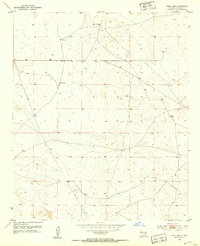 1951 King Camp1953 Print · USGSRanching and early infrastructure define this Chaves County landscape during the early fifties. Researchers can trace the layout of the Anchor D Ranch, the central King Camp, and the path of a significant Pipe Line through the territory.3 unique versions available
 - 1951 Map of Diamond Mound, 1953 Print
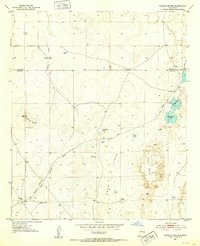 1951 Diamond Mound1953 Print · USGSEddy and Chaves Counties are captured here in the early fifties, showing a landscape of high-desert ranching and alkaline basins. Researchers can locate remote outposts like Merritt Ranch and trace the drainage patterns of Derrick Draw and Flat Lake.
 - 1951 Map of Hagerman, 1953 Print
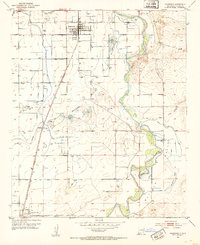 1951 Hagerman1953 Print · USGSAgricultural life in Chaves County flourished in the early fifties as irrigation and rail lines connected the Pecos River valley. Genealogists and local historians can trace family roots through the streets of Hagerman and Lake Arthur, or locate landmarks like Mossman and Hagerman Cemetery.2 unique versions available
 - 1952 Map of Connor Well, 1953 Print
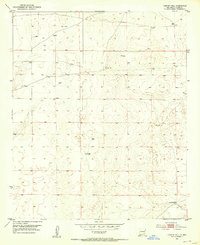 1952 Connor Well1953 Print · USGSChaves County ranching and early petroleum interests come into focus in this mid-century survey of the New Mexico plains. Researchers can locate specific water and energy sites including Connor Well, Horse Camp Wells, and several instances of Oil Well (Aban'd).2 unique versions available
 - 1952 Map of Bar C Bar Ranch, 1953 Print
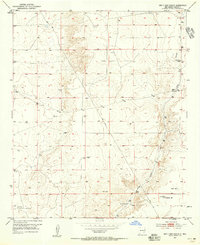 1952 Bar C Bar Ranch1953 Print · USGSChaves County ranching lands are captured here in the early fifties, showing how water and livestock shaped the high plains. Researchers can trace historic ranch boundaries and water sources like Bar C Bar Ranch, Redtower Windmill, and Long Arroyo.2 unique versions available
 - 1952 Map of Hagerman SW, 1954 Print
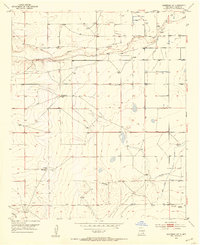 1952 Hagerman SW1954 Print · USGSChaves County ranching and irrigation come to life in the early 1950s as the Rio Felix cuts through the high desert. Genealogists and local historians can trace legacy sites like Hurst Ranch, the Hagerman Canal, and Lake Arthur Cemetery.2 unique versions available
 - 1953 Map of Espuela, 1954 Print
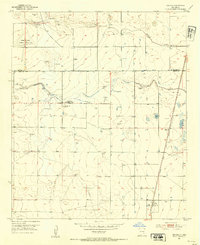 1953 Espuela1954 Print · USGSSoutheast New Mexico in the early fifties shows a landscape of artesian wells and shifting industry along the railroad. Researchers can locate the Cottonwood School, the Cottonwood Community Church, and the now-abandoned Walker Air Base Emergency Landing Field.2 unique versions available
Showing maps 1-25 of 795
Top cities of Chaves County
Frequently asked questions
- What are the different types of historical maps available for Chaves County?
- What is the oldest map of Chaves County?
- Where can I purchase historical maps of Chaves County for my home or office?
- Where can I download high-res historical maps of Chaves County?
- Are there historical topographic maps available for Chaves County?
- Is there historical aerial imagery available for Chaves County?
- Where are historical maps of Chaves County sourced from?