1970s Maps of Chaves County, New Mexico
Explore 33 historic maps of Chaves County from the 1970s. These maps offer a rare glimpse into what life looked like during the 1970s — showing old roads, neighborhoods, homes, and landmarks that have changed or disappeared over time.
Whether you're researching your family's past, planning a metal detecting trip, or studying how Chaves County's landscape evolved across the 1970s, these high-resolution maps are a powerful tool for exploring the history of this region.
- Focus on a specific era: All maps on this page are from the 1970s, giving you a focused view of this time period.
- See what’s changed: Compare century-old streets, trails, and buildings to today's modern landscape using overlays and satellite layers.
- Research with precision: Use these maps for genealogy, historical research, land use analysis, or educational projects.
- View, download, or print: Maps are fully viewable online in high resolution, and can be downloaded or printed for your own records.
Start exploring Chaves County's history through authentic maps from the 1970s. This is your window into the past.
Chaves County, NM maps
(33)- 1973 Map of Gammil Well SE, 1975 Print
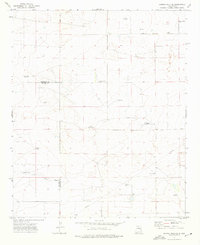 1973 Gammil Well SE1975 Print · USGSThe Roosevelt and Chaves County line in the early seventies was a land of isolated ranches and essential water works. Genealogists and historians can locate family landmarks like Ingram Cem, the Foust-Hilburn Ranch, and the Johnson Windmill.
 - 1973 Map of Rippee Ranch, 1976 Print
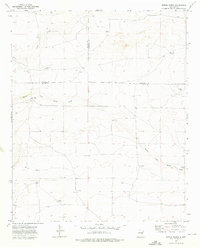 1973 Rippee Ranch1976 Print · USGSThe high plains of Chaves and De Baca Counties are captured here in the early seventies, showing a landscape shaped by ranching and water scarcity. Genealogists and local historians can locate specific family-named landmarks like Liston Cem, Rippee Ranch, and the West Jett Windmill.
 - 1973 Map of Culp Ranch, 1976 Print
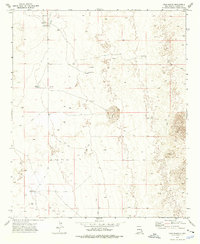 1973 Culp Ranch1976 Print · USGSChaves County ranching and desert landscapes are frozen in time during the early seventies. Trace the network of cattle operations through isolated landmarks like Lone Wolf Windmills, Culp Ranch, and areas of Shifting Sand.2 unique versions available
 - 1973 Map of Cedar Point, 1976 Print
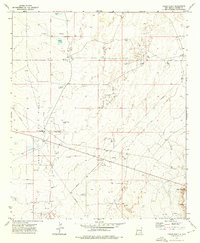 1973 Cedar Point1976 Print · USGSChaves County's high desert landscape was a hive of industrial energy in the early 1970s. Researchers can trace the extensive network of the Vest Camp Oil Field alongside ranching landmarks like Scrambled Egg Windmill and the heights of Cedar Point.2 unique versions available
 - 1973 Map of Mescalero Point, 1976 Print
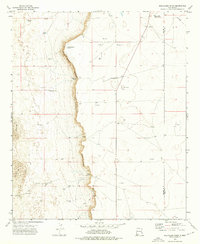 1973 Mescalero Point1976 Print · USGSThe Chaves and Lea County border comes alive in the early seventies, centered on the dramatic escarpment of Mescalero Ridge (The Caprock). Researchers can trace the water sources and ranching landmarks of the high desert, from Sikes Tanks to Graham Spring.
 - 1973 Map of Caprock, 1976 Print
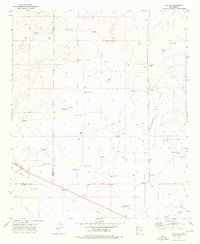 1973 Caprock1976 Print · USGSLea County's high plains and oil-rich basins are captured in the 1970s, showcasing a landscape defined by ranching and energy. Genealogists and historians can trace the operations of the Caprock Ranch and the expanding infrastructure of the Mescalero Oil Field.2 unique versions available
 - 1973 Map of Caudill Ranch, 1976 Print
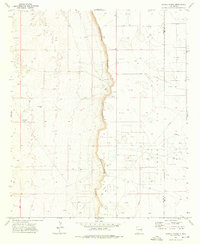 1973 Caudill Ranch1976 Print · USGSSoutheastern New Mexico's high desert plateau is captured here in the early 1970s, as ranching lands met the expanding energy industry. Researchers can trace the industrial footprint across Mescalero Ridge (The Caprock) and locate the Caudill Ranch and the Caprock Oil Field.
 - 1973 Map of Oasis, 1976 Print
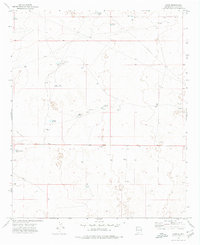 1973 Oasis1976 Print · USGSChaves County ranching and water management are captured here in the early seventies, centered on the settlement of Oasis. Researchers can locate family operations like Glenn Ranch and trace vital water infrastructure including Crump Tanks and Meadow Tanks.2 unique versions available
 - 1973 Map of Vest Camp, 1976 Print
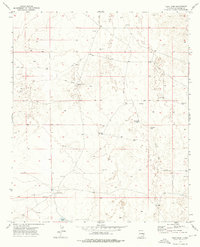 1973 Vest Camp1976 Print · USGSEastern New Mexico ranching and exploration are detailed here in the early 1970s. Trace the remote landscape of Chaves County through landmarks like Vest Camp, Brooks Tank, and numerous Drill Hole sites.2 unique versions available
 - 1973 Map of Cedar Point SE, 1976 Print
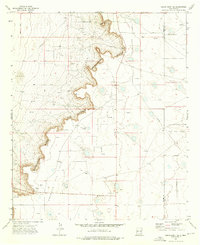 1973 Cedar Point SE1976 Print · USGSSoutheast New Mexico in the early 1970s is defined by the sharp escarpment of Mescalero Ridge and a burgeoning petroleum industry. Genealogists and historians can locate remote homesteads like Medlin Ranch and trace the early development of the Caprock Oil Field.2 unique versions available
 - 1973 Map of Mescalero Point NE, 1976 Print
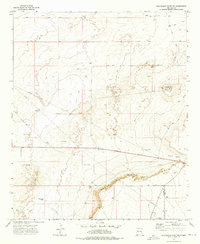 1973 Mescalero Point NE1976 Print · USGSThe high plains of Chaves County are captured here in the early 1970s, showcasing the dramatic escarpment of The Caprock. Researchers can trace old ranching and energy infrastructure through features like Cottonwood Tank, Pecan Tank, and various Drill Holes.2 unique versions available
 - 1978 Map of Strychnine Draw
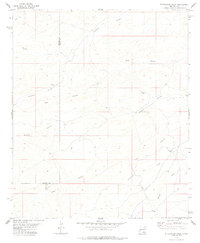 1978 Strychnine Draw1978 Print · USGSEddy and Chaves counties are mapped in the late seventies, showing a landscape defined by ranching life and deep desert draws. Researchers can locate remote outposts like Strychnine Camp and trace the paths of Buzzard Canyon and Strychnine Draw.
 - 1978 Map of Encino Draw
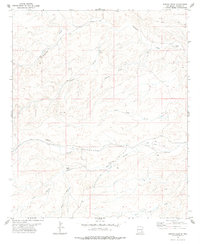 1978 Encino Draw1978 Print · USGSChaves County ranchlands and high plains drainage systems are captured here in the late 1970s. Researchers can trace the path of an industrial PIPELINE and locate remote ranching infrastructure such as Landing Strips and the waters of Bullis Flat.
 - 1978 Map of Artesia, 1979 Print
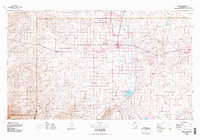 1978 Artesia1979 Print · USGSThe Pecos River valley in southeastern New Mexico comes alive in the late seventies, showing the intersection of rail-line agriculture and oil-field growth. Trace the path of the Atchison Topeka and Santa Fe through settlements like Dayton, Espuela, and Lakewood near Lake McMillan.
 - 1978 Map of Curlew Lake, 1979 Print
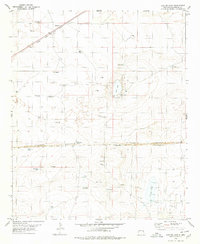 1978 Curlew Lake1979 Print · USGSIn the late 1970s, this portion of Chaves County was a landscape of remote oil fields and vital rail lines. Genealogists and researchers can locate the Boaz Cem and trace the infrastructure of the Cato Oil Field and the Mountain Railroad.
 - 1978 Map of Holt Tank, 1979 Print
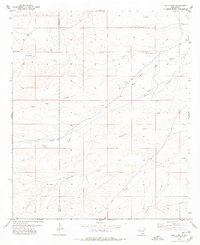 1978 Holt Tank1979 Print · USGSEddy and Chaves counties in the late 1970s reveal a landscape defined by ranching life and desert water management. Trace the historic infrastructure of Holt and Bullis alongside numerous water catchments like Holt Tank and Catclaw Draw.
 - 1978 Map of Presler Lake, 1979 Print
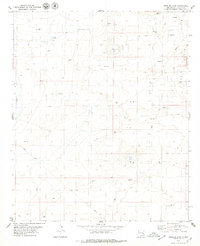 1978 Presler Lake1979 Print · USGSChaves County's high plains are shown during a period of significant energy development in the late seventies. You can trace the industrial footprint of the Cato Oil Field and locate localized ranching landmarks like East Camp and Broke Tank.2 unique versions available
 - 1978 Map of South Taylor Tank, 1979 Print
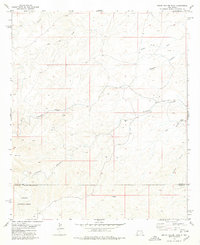 1978 South Taylor Tank1979 Print · USGSSoutheastern New Mexico ranchlands are documented here in the late seventies at the border of Chaves and Otero counties. Researchers can trace land use patterns via water catchments like Collier Tank and named drainage systems such as Bear Canyon and Crooked Canyon.
 - 1978 Map of Flying M Ranch, 1985 Print
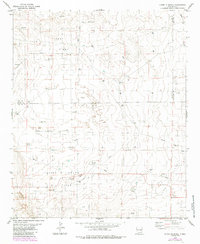 1978 Flying M Ranch1985 Print · USGSThe eastern New Mexico range meets the petroleum industry in the late seventies. Family researchers and historians can locate remote landmarks like the Flying M Ranch, the Mill on the Fence, and numerous wells including Lea Well.
 - 1978 Map of Button Mesa North, 1986 Print
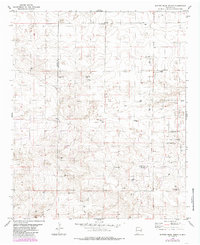 1978 Button Mesa North1986 Print · USGSThe High Plains of eastern New Mexico are shown here during the late 1970s as energy production and ranching shaped the landscape. Researchers can trace the development of the Chaveroo Oil Field and locate numerous named water sources like Boatwright Well and Vest Lake.
 - 1979 Map of Kenna
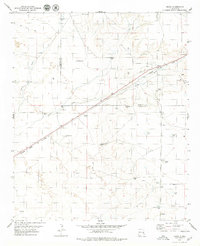 1979 Kenna1979 Print · USGSThe ranching country of eastern New Mexico is captured here in the late 1970s, centered on the railroad town of Kenna. Researchers can trace the path of the Atchison Topeka and Santa Fe railroad or locate family burial sites at Kenna Cem and Old Kenna Cem.
 - 1979 Map of Fort Sumner
 1979 Fort Sumner1979 Print · USGSThe Pecos River valley in the late seventies reveals a landscape shaped by irrigation and the rail lines of the Atchison Topeka and Santa Fe. Genealogists and historians can trace small communities like Taiban and Yeso alongside landmarks like The Caprock.
 - 1979 Map of San Juan Mesa West
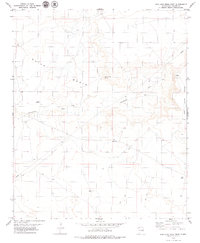 1979 San Juan Mesa West1979 Print · USGSChaves County ranching country is captured here during the late seventies as the landscape transitioned between basins and mesas. Genealogists and historians can trace water sources like Billy The Kid Spring and landmarks such as Braun Windmill.
 - 1979 Map of Roswell
 1979 Roswell1979 Print · USGSThe Pecos River valley and the city of Roswell are shown here in the late seventies as the region balanced aviation growth with agricultural heritage. Trace the transition of local sites like Roswell Industrial Air Center and the Atchison Topeka and Santa Fe rail line.
 - 1979 Map of Kenna SW
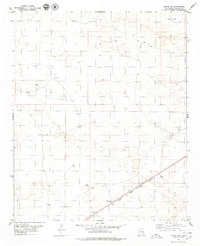 1979 Kenna SW1979 Print · USGSChaves County ranching country and rail infrastructure are captured here in the late seventies. Genealogists and researchers can trace local water landmarks and transport lines like Atchison Topeka and Santa Fe and Ownby Well.
Showing maps 1-25 of 33
Top cities of Chaves County
Frequently asked questions
- What are the different types of historical maps available for Chaves County?
- What is the oldest map of Chaves County?
- Where can I purchase historical maps of Chaves County for my home or office?
- Where can I download high-res historical maps of Chaves County?
- Are there historical topographic maps available for Chaves County?
- Is there historical aerial imagery available for Chaves County?
- Where are historical maps of Chaves County sourced from?