2000s (21st Century) Maps of Chaves County, New Mexico
Explore 636 historic maps of Chaves County from the 2000s (21st Century). These maps offer a rare glimpse into what life looked like during the 2000s — showing old roads, neighborhoods, homes, and landmarks that have changed or disappeared over time.
Whether you're researching your family's past, planning a metal detecting trip, or studying how Chaves County's landscape evolved across the 2000s, these high-resolution maps are a powerful tool for exploring the history of this region.
- Focus on a specific era: All maps on this page are from the 2000s, giving you a focused view of this time period.
- See what’s changed: Compare century-old streets, trails, and buildings to today's modern landscape using overlays and satellite layers.
- Research with precision: Use these maps for genealogy, historical research, land use analysis, or educational projects.
- View, download, or print: Maps are fully viewable online in high resolution, and can be downloaded or printed for your own records.
Start exploring Chaves County's history through authentic maps from the 2000s. This is your window into the past.
Chaves County, NM maps
(636)- 2001 Map of Pinon Ranch, 2003 Print
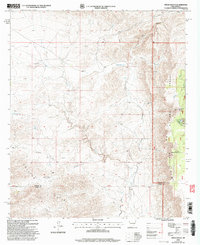 2001 Pinon Ranch2003 Print · USGSThe ranching country of Chaves County comes into focus at the start of the millennium, showing a landscape defined by water management and isolated homesteads. Researchers can trace the layout of family lands such as Piñon Ranch or Bullis Spring Ranch and locate remote landmarks like Piñon Well.
 - 2001 Map of Bullis Spring Ranch, 2003 Print
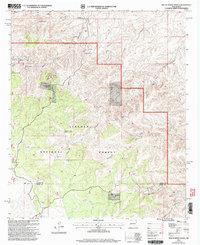 2001 Bullis Spring Ranch2003 Print · USGSRanching outposts and high desert water systems are documented in this late-century landscape on the Chaves and Otero county border. Researchers can trace remote homesteads and vital water sources like Bullis Spring Ranch, Peede Ranch, and Sargent Seep.
 - 2001 Map of South Taylor Tank, 2003 Print
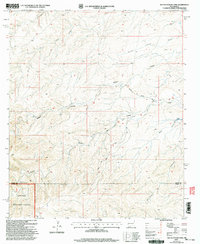 2001 South Taylor Tank2003 Print · USGSChaves and Otero counties are mapped at the turn of the millennium, showing the remote high-desert terrain within the Lincoln National Forest. Researchers can trace old ranching infrastructure and forest access routes like Bronc Road, South Taylor Tank, and Sargent Canyon.
 - 2004 Map of Chimney Lake, 2006 Print
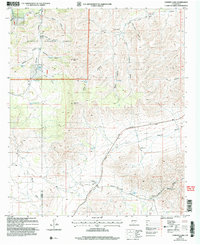 2004 Chimney Lake2006 Print · USGSHigh desert ranching and forest lands in Chaves County are mapped here just after the turn of the millennium. Researchers can trace historic family holdings like Jernigan Ranch and Stevenson Ranch amidst landmarks like Chimney Lake.
 - 2004 Map of Elk, 2006 Print
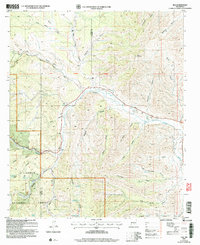 2004 Elk2006 Print · USGSHigh-altitude ranching and forest lands are documented here at the turn of the millennium near the Otero and Chaves county line. Researchers can locate family landmarks like the Elk Cem and trace the winding course of the Rio Peñasco past Wind Mountain.
 - 2004 Map of Robertson Canyon, 2006 Print
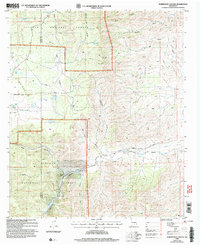 2004 Robertson Canyon2006 Print · USGSThe high Sacramento Mountains at the Chaves and Otero county line are documented here in the early 2000s, showing a rugged ranching landscape. Researchers can locate remote burial sites at Cox Cem and trace livestock history through family-named sites like Graves and an Open Pit Mine.
 - 2010 Map of Haystack Butte, 2010 Print
 2010 Haystack Butte2010 Print · USGSChaves County ranching lands in the early 2000s are defined by isolated homesteads and essential water catchments. Genealogists and historians can trace the footprints of the South Van Eaton Ranch and Cooper Ranch near landmarks like Haystack Butte.
 - 2010 Map of Connor Well, 2010 Print
 2010 Connor Well2010 Print · USGSChaves County ranchlands are documented here in the early 2000s, showing a remote landscape of livestock operations and desert outposts. Family historians can trace the footprints of the Wade Ranch, Malstrom Ranch, and the eponymous Connor Well.
 - 2010 Map of Indian Bluff, 2010 Print
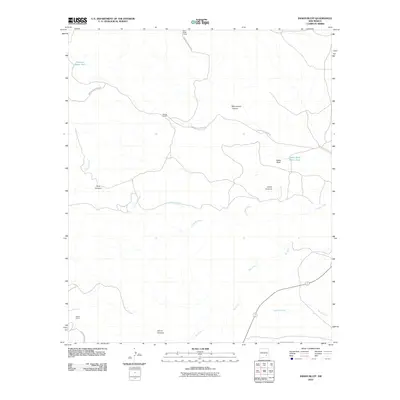 2010 Indian Bluff2010 Print · USGSChaves County ranching lands are captured here in the early twenty-first century, showing the remote canyon systems of south-central New Mexico. Researchers can locate specific high-desert outposts like McGee Ranch and Twin Butte Camp or trace the course of Rio Felix.
 - 2010 Map of Sardine Lake, 2010 Print
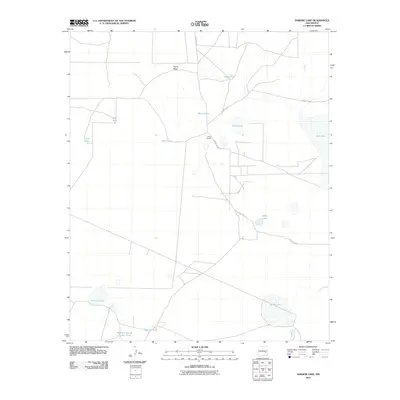 2010 Sardine Lake2010 Print · USGSArid Chaves County ranchlands are captured here in the early twenty-first century, showing a landscape defined by vital water sources. Researchers can trace the layout of the O'Brien Ranch and find curiously named features like Madison Square Garden Tank and Moon Tank.
 - 2010 Map of Cottonwood Draw, 2010 Print
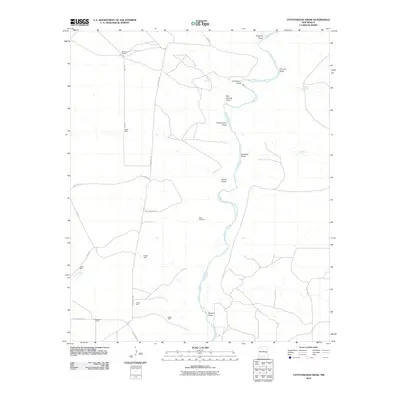 2010 Cottonwood Draw2010 Print · USGSChaves County ranchlands are documented here in the early twenty-first century, showing a landscape defined by the Pecos River and its vital water sources. Researchers can trace rural property boundaries and infrastructure at Benedict Ranch, Cottonwood Ranch, and the isolated River Windmill.
 - 2010 Map of Chivata Canyon, 2010 Print
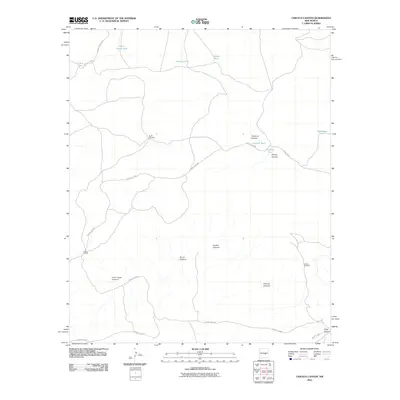 2010 Chivata Canyon2010 Print · USGSChaves County ranching life is documented here in the early twenty-first century, showing a landscape defined by water management and isolated homesteads. Researchers can trace the infrastructure of the Circle F Ranch and locate remote landmarks like North Windmill and Treasure Canyon.
 - 2010 Map of Elkins, 2010 Print
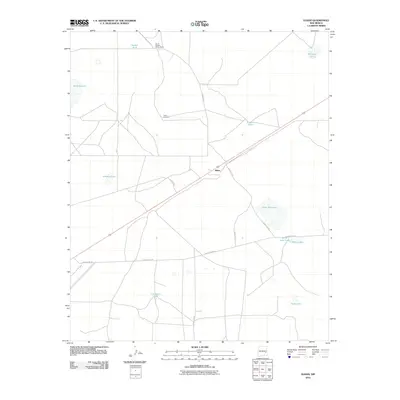 2010 Elkins2010 Print · USGSThe high plains of Chaves County in the early 2000s are captured here, centered on the settlement of Elkins. Trace the ranching landscape through landmarks like Smith Windmill, the South Chatten-Muncy Ranch, and water sources like Little Red Lake.
 - 2010 Map of Lucky Lake, 2010 Print
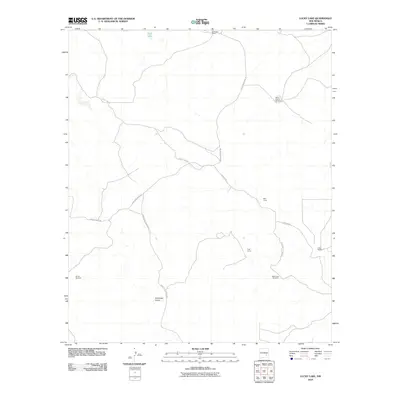 2010 Lucky Lake2010 Print · USGSChaves County ranching lands are captured here during the early twenty-first century, showing the functional layout of a high-plains livestock operation. Researchers can trace the network of water sources and outposts like Horse Pasture Windmill, Well Camp, and Buchanan Ranch.
 - 2010 Map of Acme, 2010 Print
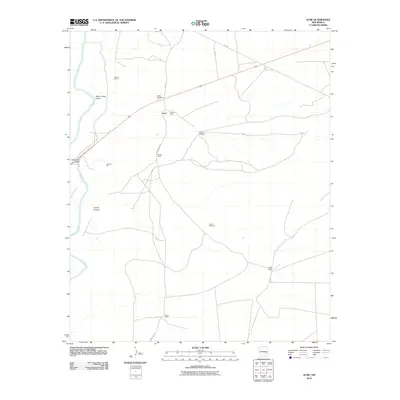 2010 Acme2010 Print · USGSThe Pecos River valley and the industrial site of Acme are documented here in the early 2000s. Researchers can trace land use through cattle holdings like Kitchen Ranch and Dallas Ranch or locate the Frazier Cemetery near the river crossing.
 - 2010 Map of King Camp, 2010 Print
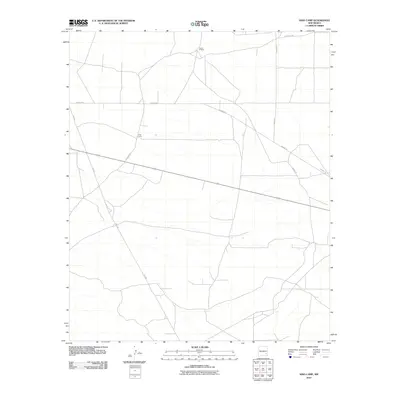 2010 King Camp2010 Print · USGSChaves County ranchlands are documented here at the start of the 2010s, showing the isolated outposts of the New Mexico desert. Genealogists and local historians can trace the specific rural road network and reach remote landmarks like King Camp and Anchor D Ranch.
 - 2010 Map of White Flat, 2010 Print
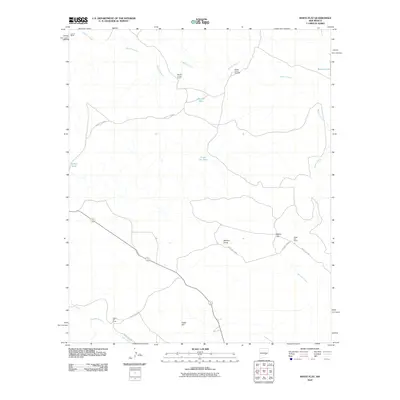 2010 White Flat2010 Print · USGSChaves County's ranching landscape is captured here in the early 2000s, showcasing the isolated outposts of the high plains. Genealogists and local historians can trace the footprints of established cattle operations like Middle Arroyo Ranch and White Flat Ranch.
 - 2010 Map of Shannon Draw, 2010 Print
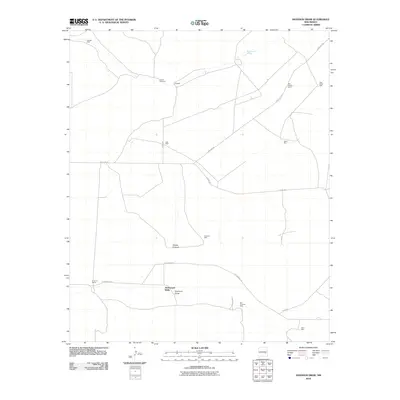 2010 Shannon Draw2010 Print · USGSChaves County ranchlands are documented here in the early 2000s, showing a landscape shaped by the necessity of water. Researchers can trace the legacy of high-desert ranching through named features like Fivemile Ranch, Rock House Springs, and McDermott Wells.
 - 2010 Map of Haystack Mountain, 2010 Print
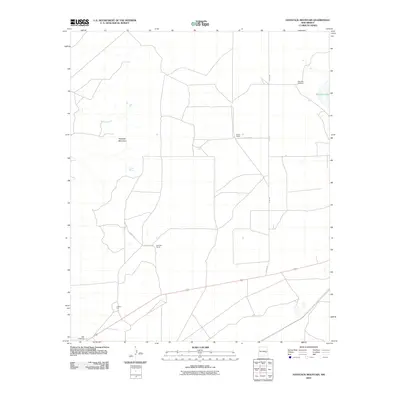 2010 Haystack Mountain2010 Print · USGSChaves County ranching life is documented here during the first decade of the 2000s. Genealogists and historians can locate family-named properties like Smith Ranch and Faircloth Ranch alongside the Samples Windmill and Leslie Spring.
 - 2010 Map of Elsie Canyon, 2010 Print
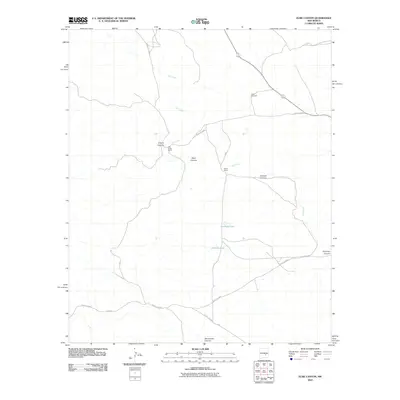 2010 Elsie Canyon2010 Print · USGSChaves County ranching lands are captured here during the first decade of the 2000s, showcasing the isolated outposts of the New Mexico desert. Researchers can trace the holdings at Salt Creek Ranch and Porter Ranch or locate water sources like Antelope Lake.
 - 2010 Map of North Lake, 2010 Print
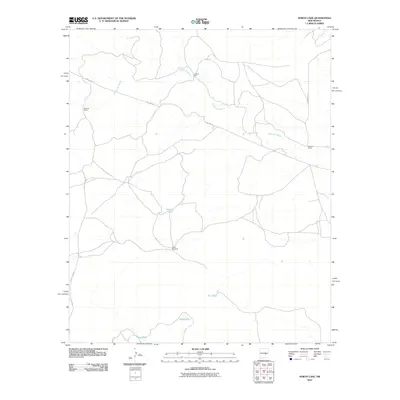 2010 North Lake2010 Print · USGSChaves County's high desert ranching country is documented here in the early 21st century. Researchers and genealogists can trace the infrastructure of historic landholdings such as McNally Ranch and Johnson Ranch or locate water features like Lafferty Well.
 - 2010 Map of Horseshoe Bend, 2010 Print
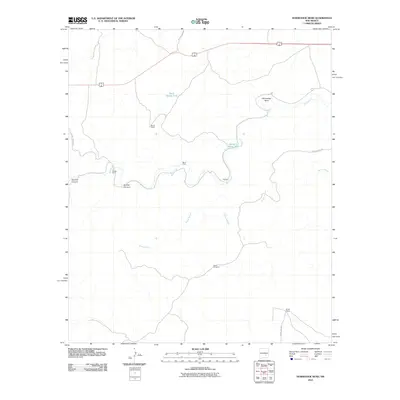 2010 Horseshoe Bend2010 Print · USGSChaves County ranching and farming operations are documented here in the early twenty-first century, centered on the winding Rio Hondo. Genealogists and historians can locate family-named sites like Nuñez Ranch and Bar H Farm or trace the route of Baton Rouge Rd.
 - 2010 Map of Hackberry Ranch, 2010 Print
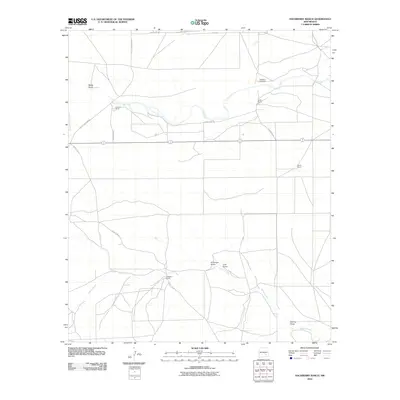 2010 Hackberry Ranch2010 Print · USGSChaves County rangeland is captured here in the early 2000s, showing a landscape defined by seasonal waters and isolated homesteads. Genealogists and historians can trace the footprints of Hackberry Ranch, Casarez Ranch, and the Hackberry Ranch Pit among the draws.
 - 2010 Map of L E Ranch, 2010 Print
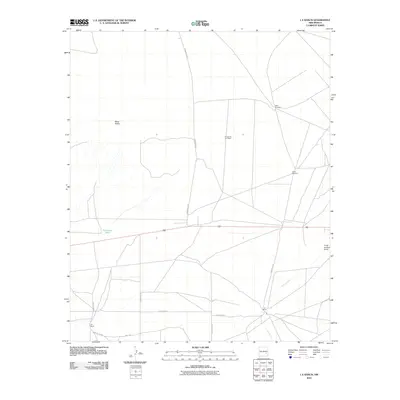 2010 L E Ranch2010 Print · USGSChaves County ranchlands are captured here in the early 2000s, showing a landscape defined by isolated homesteads and vital water points. Researchers can trace the layout of the namesake L-E Ranch and locate working landmarks like the Petty Windmill and Red Lake Tank.
 - 2010 Map of Corn Ranch, 2010 Print
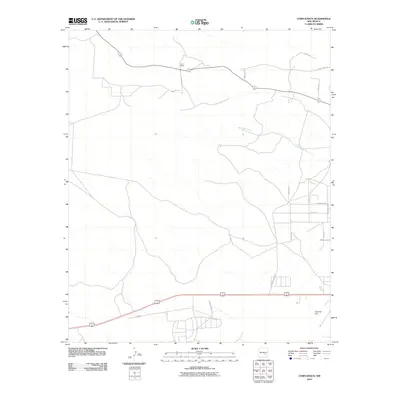 2010 Corn Ranch2010 Print · USGSChaves County ranching lands and early 21st-century residential growth meet in this 2010 survey. Researchers can trace the path of Berrendo Creek and locate family-named landmarks like Corn Ranch alongside newer developments on Tierra Grande Blvd.
Showing maps 1-25 of 636
Top cities of Chaves County
Frequently asked questions
- What are the different types of historical maps available for Chaves County?
- What is the oldest map of Chaves County?
- Where can I purchase historical maps of Chaves County for my home or office?
- Where can I download high-res historical maps of Chaves County?
- Are there historical topographic maps available for Chaves County?
- Is there historical aerial imagery available for Chaves County?
- Where are historical maps of Chaves County sourced from?