Old Maps of Four Bears Segment, North Dakota for Academic Research
Study the evolution of Four Bears Segment with 44 high-resolution historic maps. Whether you're teaching, researching, or modeling changes in land use, these maps provide essential visual documentation of urban, environmental, and geographic change.
- Analyze long-term change: Track patterns in development, transportation, and natural features.
- Ideal for environmental or urban studies: Support academic projects with primary historical map data.
- Use in the classroom or lab: Educators and researchers rely on these maps to bring historical context to life.
These maps are a powerful tool for teaching, research, and visualizing how Four Bears Segment has changed over the decades.
Four Bears Segment, ND maps
(44)- 1953 Map of Williston, 1968 Print
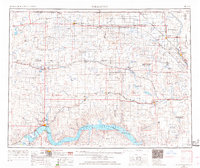 1953 Williston1968 Print · USGSThe North Dakota high plains meet the waters of Sakakawea Lake in this mid-century survey of the northern borderlands. Trace the rail-and-ranch economy through sites like Anderson Sky Ranch, Sevenmile Corner, and the strip mines near Columbus.2 unique versions available
 - 1953 Map of Watford City, 1968 Print
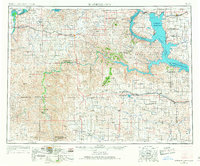 1953 Watford City1968 Print · USGSNorth Dakota's badlands and the Missouri River basin are captured here during the 1950s and 60s as the Garrison Dam changed the landscape. Researchers can trace old rail lines like the Great Northern or find rural outposts such as Grassy Butte and Halliday.3 unique versions available
 - 1957 Map of Williston
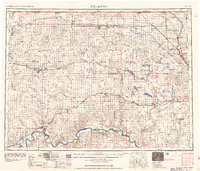 1957 Williston1957 Print · USGSNorthwestern North Dakota is shown here during the mid-fifties, dominated by the sweeping plains and the Missouri River valley. Genealogists and local historians can trace the paths of the Great Northern railroad through Williston, Tioga, and Ray, or locate early industry like the coal strip mines near Lignite.
 - 1957 Map of Watford City
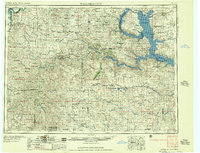 1957 Watford City1957 Print · USGSWestern North Dakota's landscape is captured here during the mid-fifties as the Missouri River valley undergoes massive change following the creation of Garrison Reservoir. Genealogists and historians can trace dozens of rural schools like Divide School and early settlements such as Arnegard and Grassy Butte.
 - 1965 Map of Blue Buttes, 1966 Print
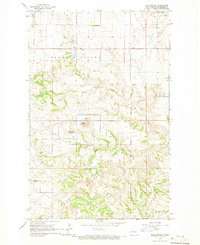 1965 Blue Buttes1966 Print · USGSMcKenzie County was a landscape of remote ranchlands and emerging energy extraction in the mid-sixties. Genealogists and historians can locate rural landmarks like Redeemer Cem, Reservation Sch, and the high peaks of Chimney Butte.
 - 1965 Map of Blue Buttes SE, 1967 Print
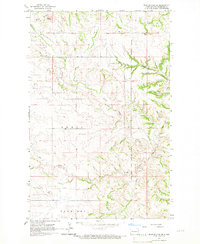 1965 Blue Buttes SE1967 Print · USGSMcKenzie County was a landscape of remote ranching and reservation lands in the mid-1960s. Genealogists and researchers can trace the Fort Berthold Indian Reservation Boundary and find local landmarks like the Scoria Pit and Aura Butte.
 - 1967 Map of Watford City
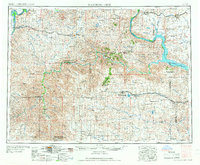 1967 Watford City1967 Print · USGSWestern North Dakota is captured during a period of landscape transformation as the Missouri River valley was reshaped by the new Garrison Reservoir. Genealogists and local historians can trace the foundations of Watford City, find the Elkhorn Ranch Site, or locate rural landmarks like Ziner Butte and Grassy Butte.
 - 1967 Map of Sanish NW, 1969 Print
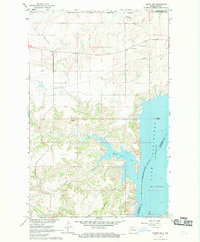 1967 Sanish NW1969 Print · USGSThe Fort Berthold Indian Reservation and the Missouri River highlight this North Dakota landscape in the late sixties as the water levels rose. Genealogists and local researchers can locate the Snowbird Chapel, Goodbird Cem, and the sprawling Antelope Oil Field.
 - 1967 Map of Sanish, 1969 Print
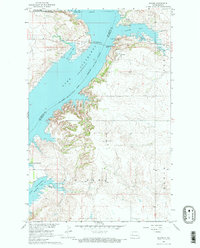 1967 Sanish1969 Print · USGSThe Missouri River valley in the late sixties reveals a landscape transformed by the waters of Lake Sakakawea along the Fort Berthold Indian Reservation boundary. Genealogists and local historians can trace the foundations of Sanish, locate the Riverview Cemetery, and follow the path of an Old Railroad Grade.2 unique versions available
 - 1967 Map of Sanish SW, 1970 Print
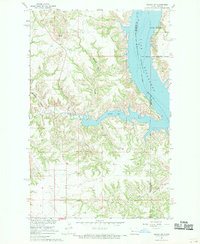 1967 Sanish SW1970 Print · USGSMcKenzie County's badlands terrain meets the rising waters of the Missouri River in the late sixties. Trace the inundated shoreline of Lake Sakakawea and find landmarks like Blue Butte or the Bear Den Creek Public Use Area.
 - 1981 Map of Rat Lake SE
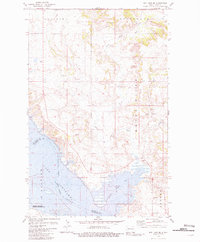 1981 Rat Lake SE1981 Print · USGSMountrail and McKenzie counties meet along the vast reach of the Missouri River in the early eighties. Genealogists and outdoorsmen can trace the rugged shoreline of Knife River Bay or locate landmarks like Stony Hill and the Rat Lake uplands.
 - 1982 Map of Parshall, 1983 Print
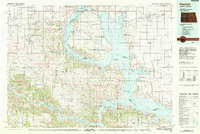 1982 Parshall1983 Print · USGSNorth Dakota's badlands and reservoir shorelines meet during the early eighties, showcasing a landscape shaped by both water and oil. Researchers can trace the development of New Town, locate the Riverview Cem, and explore the extent of the Antelope Oil Field.
 - 1997 Map of Blue Buttes, 2001 Print
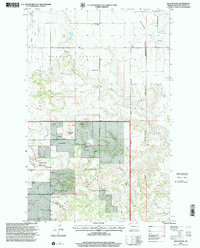 1997 Blue Buttes2001 Print · USGSMcKenzie County's badlands were a working landscape of ranching and energy extraction in the late 1990s. Researchers can trace land use through local landmarks like the Van Dyke Ranch, the Redeemer Cem, and the specialized Keogh Airstrip.
 - 1997 Map of Blue Buttes SE, 2001 Print
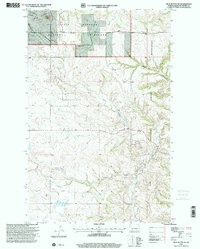 1997 Blue Buttes SE2001 Print · USGSMcKenzie County was a landscape of high buttes and isolated ranching outposts during the late twentieth century. Genealogists and researchers can locate specific homesteads like D Sivertson and the C Mercer Ranch near the Fort Berthold Indian Reservation boundary.
 - 2011 Map of Sanish SW, 2011 Print
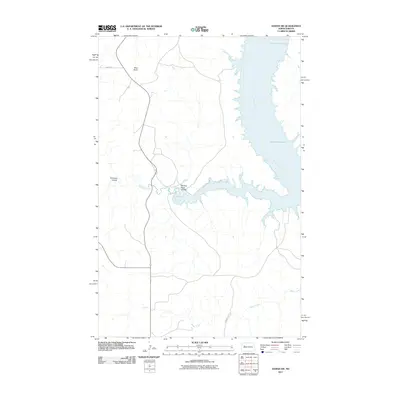 2011 Sanish SW2011 Print · USGSThe Missouri River breaks into the vast reservoir of Lake Sakakawea in the early 21st century, illustrating a landscape defined by water engineering and native lands. Researchers can trace the winding paths of Writing Rock Coulee, Bear Den Creek, and the heights of Blue Butte.
 - 2011 Map of Sanish NW, 2011 Print
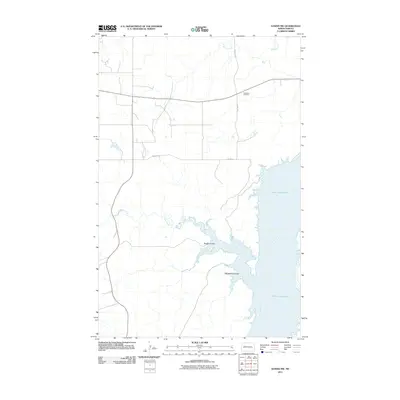 2011 Sanish NW2011 Print · USGSThe northern Missouri River breaks in North Dakota appear here just after the first decade of the millennium. Genealogists and local historians can locate Goodbird Cemetery and trace the rugged shoreline of Lake Sakakawea at Rough Coulee and Whitebody Coulee.
 - 2011 Map of Sanish, 2011 Print
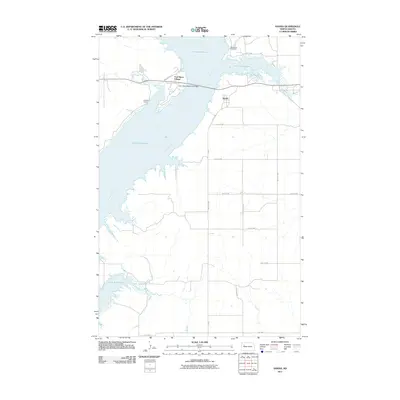 2011 Sanish2011 Print · USGSMountrail County's shoreline along the Missouri River is captured here in the early 21st century, showing the modern layout of the Fort Berthold Indian Reservation. Researchers can trace local landmarks like Riverview Cemetery, the settlement of Sanish, and the vital Four Bears Memorial Bridge.
 - 2011 Map of Blue Buttes, 2011 Print
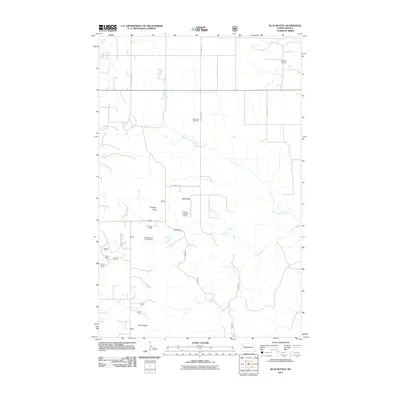 2011 Blue Buttes2011 Print · USGSThe McKenzie County ranchlands and energy fields are documented here during the early twenty-first century. Genealogists and historians can trace family landholdings like Van Dyke Ranch and landmark sites including Redeemer Cemetery and Chimney Butte.
 - 2011 Map of Blue Buttes SE, 2011 Print
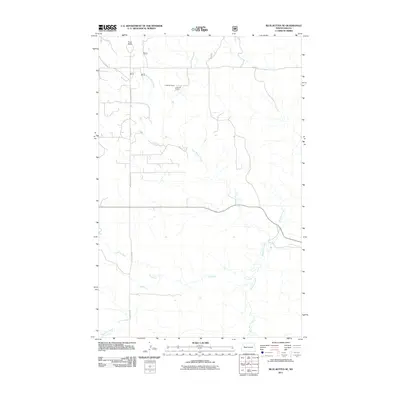 2011 Blue Buttes SE2011 Print · USGSMcKenzie County's Four Bears Segment is shown here in the early twenty-first century, highlighting the rural ranching landscape. Genealogists and researchers can trace family-named landmarks like C Mercer Ranch and the winding course of Handy Water Creek.
 - 2011 Map of Rat Lake SE, 2011 Print
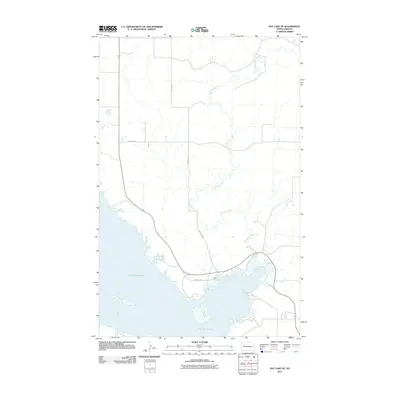 2011 Rat Lake SE2011 Print · USGSThe Missouri River valley in western North Dakota appears here just after the first decade of the millennium. Local researchers can trace the winding course of the Little Knife River as it joins the northern reaches of Lake Sakakawea.
 - 2014 Map of Rat Lake SE, 2014 Print
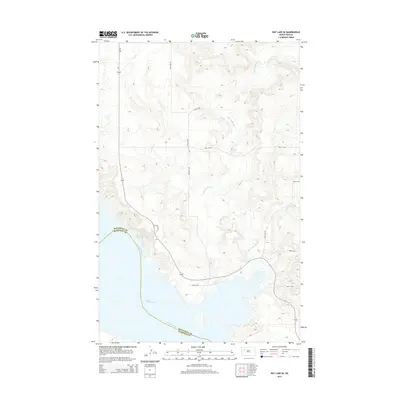 2014 Rat Lake SE2014 Print · USGSMountrail and McKenzie counties meet along the Missouri River in this mid-2010s survey of the North Dakota plains. Researchers can trace the modern shoreline of Lake Sakakawea and follow the meandering path of the Little Knife River as it cuts toward the reservoir.
 - 2014 Map of Blue Buttes SE, 2014 Print
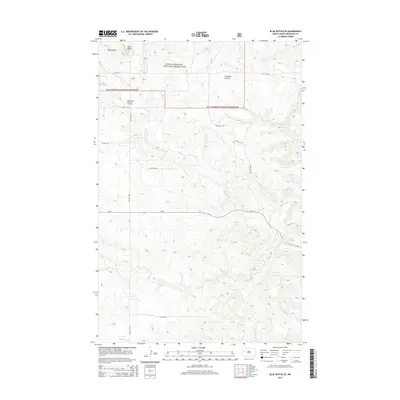 2014 Blue Buttes SE2014 Print · USGSMcKenzie County's badlands terrain is captured here in the early twenty-first century, showing a landscape shaped by both nature and industry. Researchers can trace the development of the Blue Buttes Oil and Gas Field and landmarks like Aura Butte or Foreman Coulee.
 - 2014 Map of Sanish, 2014 Print
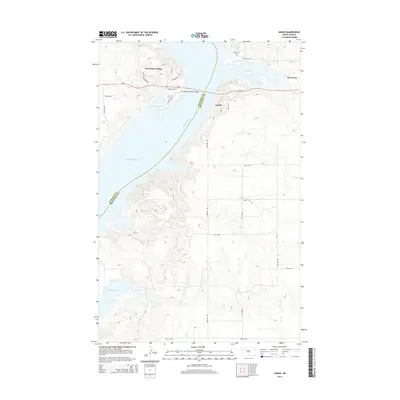 2014 Sanish2014 Print · USGSMountrail and McKenzie counties meet at the Missouri River in this recent survey of tribal lands and shoreline communities. Researchers can trace the development of New Town, find the Riverview Cem, and locate Four Bears Village west of the bridge.
 - 2014 Map of Sanish SW, 2014 Print
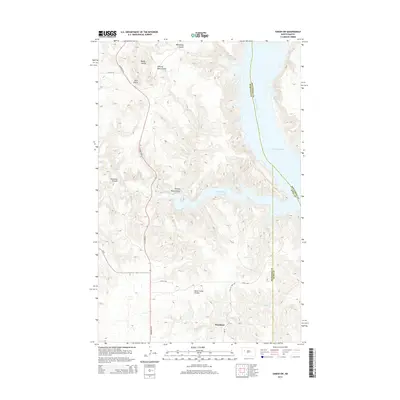 2014 Sanish SW2014 Print · USGSThe Missouri River breaks of Western North Dakota are captured here in the early twenty-first century as they meet the waters of Lake Sakakawea. Researchers can trace the layout of Mandaree and explore the complex drainage networks of Bear Den Bay and Horse Camp Coulee.
 - 2014 Map of Sanish NW, 2014 Print
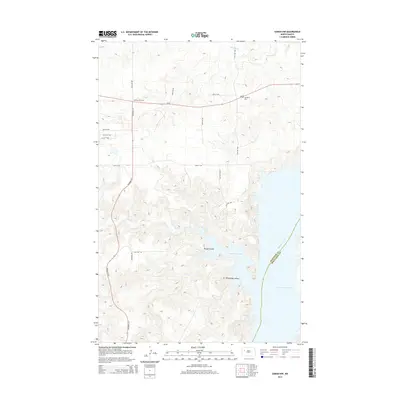 2014 Sanish NW2014 Print · USGSThe Missouri River breaks into the vast Lake Sakakawea during the early twenty-first century along the border of McKenzie and Mountrail counties. Researchers can trace the local landscape through the Antelope Oil Field, Goodbird Cem, and the winding Rough Coulee.
Showing maps 1-25 of 44
Top cities near Four Bears Segment
Top neighborhoods of Four Bears Segment
Frequently asked questions
- What are the different types of historical maps available for Four Bears Segment?
- What is the oldest map of Four Bears Segment?
- Where can I purchase historical maps of Four Bears Segment for my home or office?
- Where can I download high-res historical maps of Four Bears Segment?
- Are there historical topographic maps available for Four Bears Segment?
- Is there historical aerial imagery available for Four Bears Segment?
- Where are historical maps of Four Bears Segment sourced from?