2000s (21st Century) Maps of Woods County, Oklahoma
Explore 145 historic maps of Woods County from the 2000s (21st Century). These maps offer a rare glimpse into what life looked like during the 2000s — showing old roads, neighborhoods, homes, and landmarks that have changed or disappeared over time.
Whether you're researching your family's past, planning a metal detecting trip, or studying how Woods County's landscape evolved across the 2000s, these high-resolution maps are a powerful tool for exploring the history of this region.
- Focus on a specific era: All maps on this page are from the 2000s, giving you a focused view of this time period.
- See what’s changed: Compare century-old streets, trails, and buildings to today's modern landscape using overlays and satellite layers.
- Research with precision: Use these maps for genealogy, historical research, land use analysis, or educational projects.
- View, download, or print: Maps are fully viewable online in high resolution, and can be downloaded or printed for your own records.
Start exploring Woods County's history through authentic maps from the 2000s. This is your window into the past.
Woods County, OK maps
(145)- 2009 Map of Buttermilk, 2009 Print
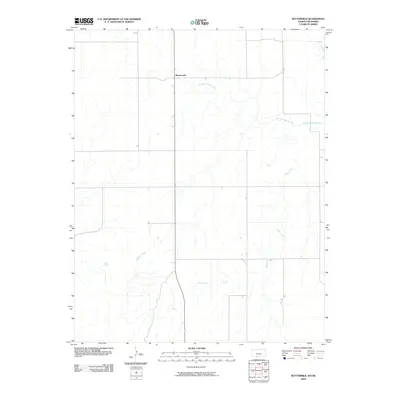 2009 Buttermilk2009 Print · USGSThe southern Kansas prairie and the community of Buttermilk are captured here in the early twenty-first century. Researchers can trace the winding course of the Salt Fork Arkansas River and the rural drainage of Sheele Creek across the Comanche County landscape.
 - 2009 Map of Protection SW, 2009 Print
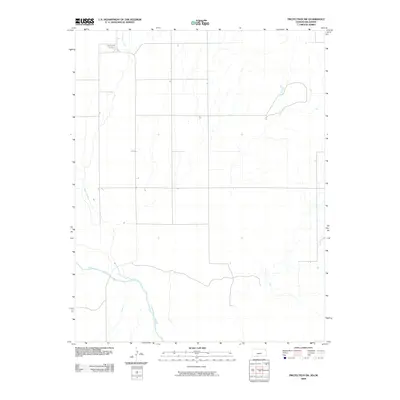 2009 Protection SW2009 Print · USGSSouthwest Kansas at the turn of the millennium reveals a vast landscape shaped by the Cimarron River and its tributaries. Local history and family roots are preserved at the Mennonite Cemetery near the banks of Cavalry Creek.
 - 2009 Map of Hopeton, 2009 Print
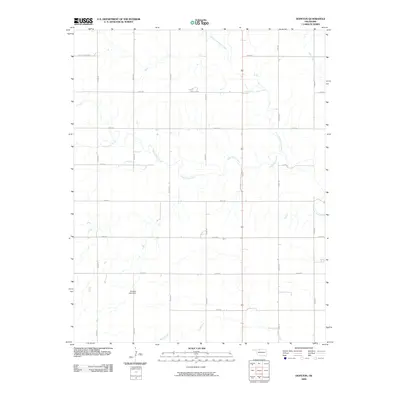 2009 Hopeton2009 Print · USGSWoods County agriculture and the prairie landscape are documented in the early twenty-first century as the section-line grid organizes the plains. Researchers can trace the winding paths of Eagle Chief Creek and locate landmarks like Overton Lake Dam.
 - 2009 Map of Dacoma SW, 2009 Print
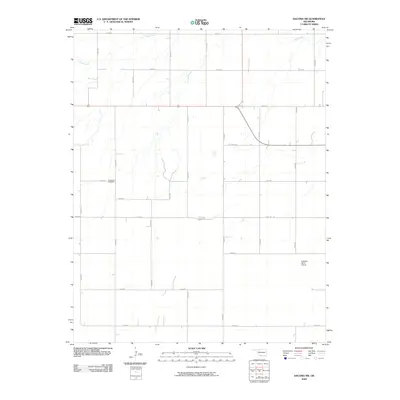 2009 Dacoma SW2009 Print · USGSOklahoma's prairie landscape in the early 2000s reveals a region defined by family ranching and rural infrastructure. Genealogists and local historians can locate Highland Cemetery and the Logsdon Ranch Airport among the grid of section roads.
 - 2009 Map of Glass Mountains NW, 2009 Print
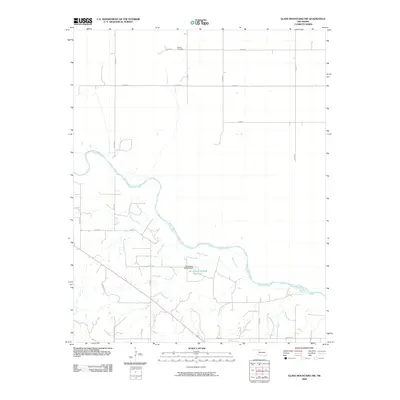 2009 Glass Mountains NW2009 Print · USGSWoods County is shown in the early twenty-first century as a landscape of wide river plains and established rural homesteads. Genealogists and local historians can locate Galena Cemetery and trace the winding course of the Cimarron River and Barney Creek.
 - 2009 Map of Glass Mountains NE, 2009 Print
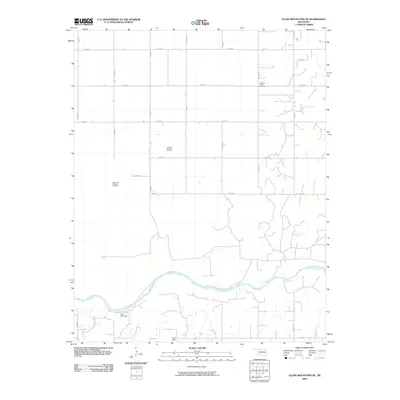 2009 Glass Mountains NE2009 Print · USGSAlfalfa County's river plains and energy fields are documented here in the early twenty-first century. Genealogists and researchers can locate the Pleasant Ridge Cemetery and trace the industrial footprint of the Oakdale Gas and Oil Field near the Cimarron River.
 - 2009 Map of Alva SE, 2009 Print
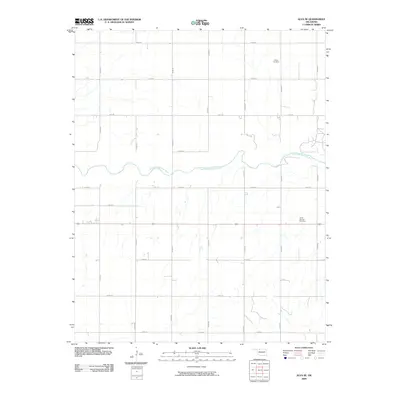 2009 Alva SE2009 Print · USGSWoods County, Oklahoma, is captured at the end of the first decade of the millennium, showing a landscape defined by the Salt Fork Arkansas River. Genealogists and local researchers can locate established burial grounds such as Liberty Cemetery and Short Springs Cemetery among the grid of county roads.
 - 2009 Map of Dacoma, 2009 Print
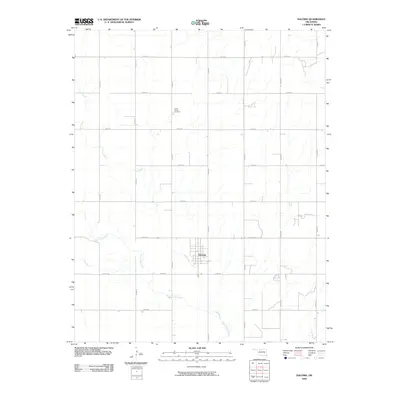 2009 Dacoma2009 Print · USGSDacoma and the rural expanses of Woods County are documented here in the early twenty-first century. Researchers can locate family sites near Union Center Cemetery and trace the winding courses of Lake Creek and Eagle Chief Creek through the section-line grid.
 - 2009 Map of Alva, 2009 Print
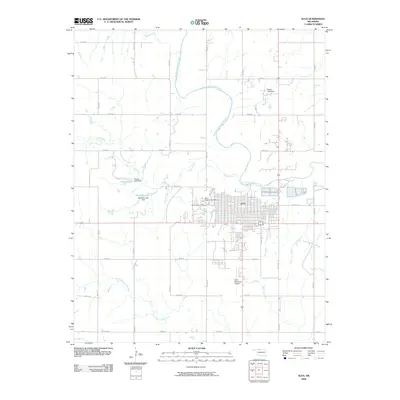 2009 Alva2009 Print · USGSAlva stands at a geographic crossroads in northwest Oklahoma at the turn of the millennium. Genealogists and local historians can map the community's growth and infrastructure through landmarks like Sacred Heart Cemetery, the Alva Municipal Airport, and Bouziden Lake.
 - 2009 Map of Dacoma SE, 2009 Print
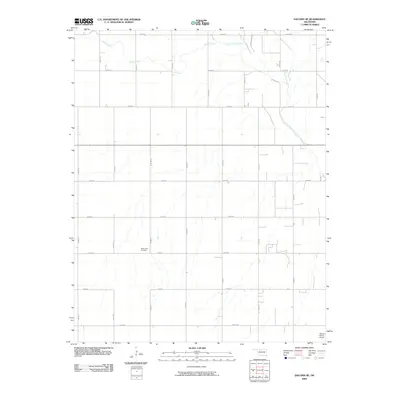 2009 Dacoma SE2009 Print · USGSAlfalfa County's rural landscape is captured here in the early twenty-first century, showing the enduring agricultural grid of the Oklahoma plains. Genealogists and local historians can locate Good Hope Cemetery and trace the paths of Eagle Chief Creek and Sand Creek.
 - 2010 Map of Waynoka East, 2010 Print
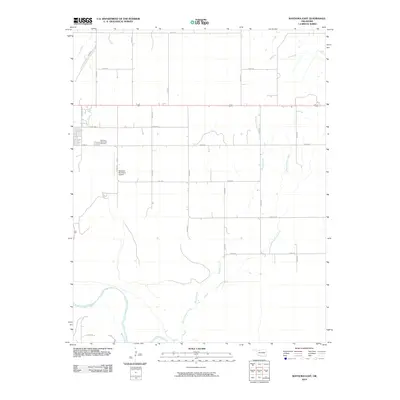 2010 Waynoka East2010 Print · USGSWoods County agriculture and the eastern outskirts of Waynoka are captured here during the first decade of the millennium. Researchers can trace land holdings near the Cimarron River or locate family sites by the Waynoka Municipal Cemetery.
 - 2010 Map of Edith, 2010 Print
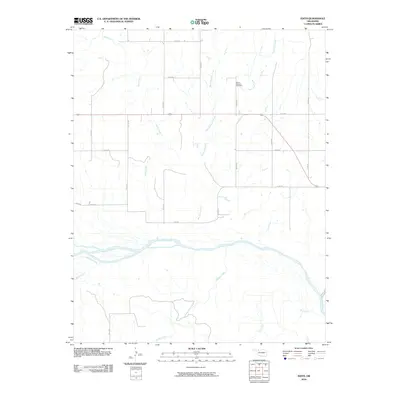 2010 Edith2010 Print · USGSWoods County ranching and river lands are documented here in the first decade of the new millennium. Researchers can trace land ties near the Cimarron River or locate family plots at Mount Pleasant Cemetery near West Moccasin Creek.
 - 2010 Map of Fairvalley, 2010 Print
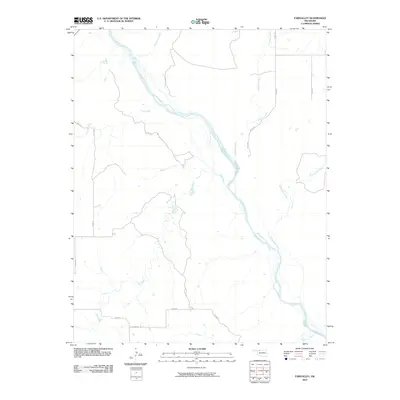 2010 Fairvalley2010 Print · USGSThe Oklahoma prairie near the turn of the 21st century remains defined by the braided channels of the Cimarron River. Researchers can trace the drainage of the plains via named watercourses like Wildcat Creek and Doe Creek along the rural section-line roads.
 - 2010 Map of Freedom, 2010 Print
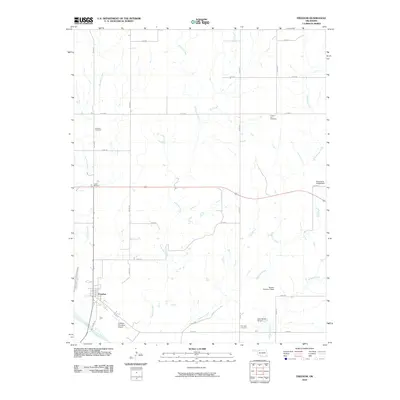 2010 Freedom2010 Print · USGSWoods County ranching country is shown here in the early twenty-first century as the town of Freedom sits along the Cimarron River. Researchers can trace local family history at Freedom Cemetery, Preston Hill Cemetery, and the historic site of Camp Houston.
 - 2010 Map of Avard, 2010 Print
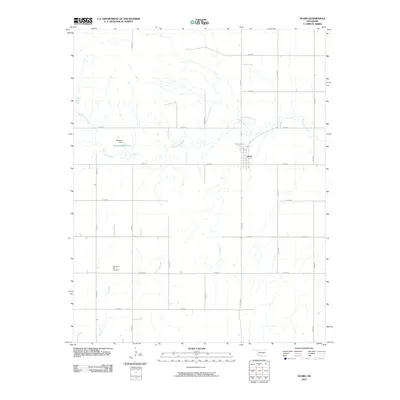 2010 Avard2010 Print · USGSOklahoma's high plains are documented in this late-aughts survey of Woods County. Genealogists and local researchers can trace the roads around Avard and find landmarks such as the Memorial Hill Cemetery, Buckland Reservoir, and Avard Lake.
 - 2010 Map of Togo, 2010 Print
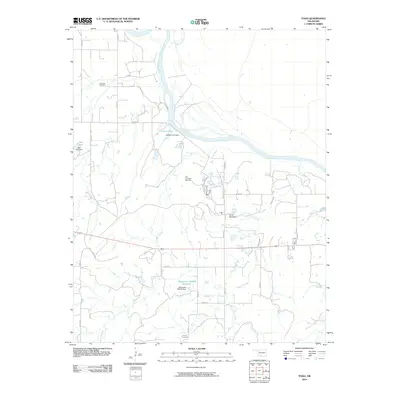 2010 Togo2010 Print · USGSMajor County, Oklahoma, is shown in the early twenty-first century as a landscape of energy production and quiet rural roads. Genealogists and local historians can locate family landmarks such as Lone Star Cemetery, Connor Cemetery, and the East Campbell Gas Field.
 - 2010 Map of Tegarden SE, 2010 Print
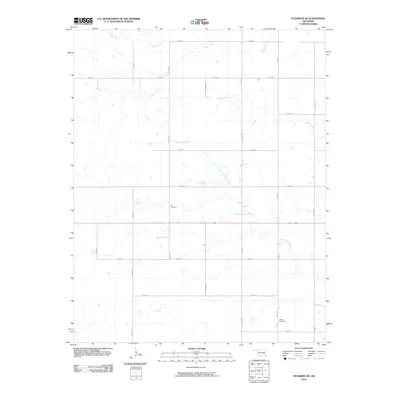 2010 Tegarden SE2010 Print · USGSWoods County is shown at the end of the first decade of the millennium, defined by its rural road grid and deep prairie roots. Genealogists and local historians can locate legacy burial grounds at Star Cemetery and Manila Cemetery or trace the winding course of Little Eagle Chief Creek.
 - 2010 Map of Tegarden, 2010 Print
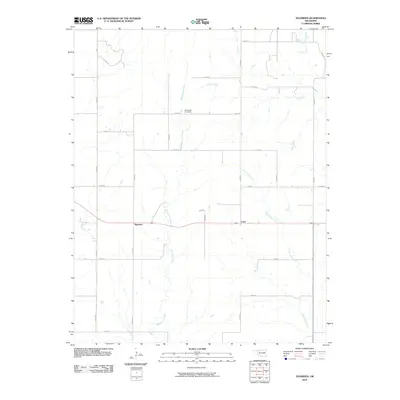 2010 Tegarden2010 Print · USGSWoods County remains a landscape of sprawling prairie and section-line roads as seen in the early twenty-first century. Genealogists and local historians can trace the rural layout around Tegarden, Cora, and the centrally located Whitehorse Cemetery.
 - 2010 Map of Waynoka NW, 2010 Print
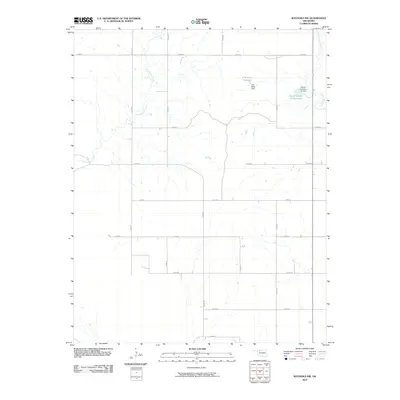 2010 Waynoka NW2010 Print · USGSWoodward County's agricultural heartland is captured here in the early 2000s, showing a landscape shaped by water management and section-line roads. Trace the specific layout of local water sources like P M Miller Reservoir and Eagle Chief Creek.
 - 2010 Map of Waynoka West, 2010 Print
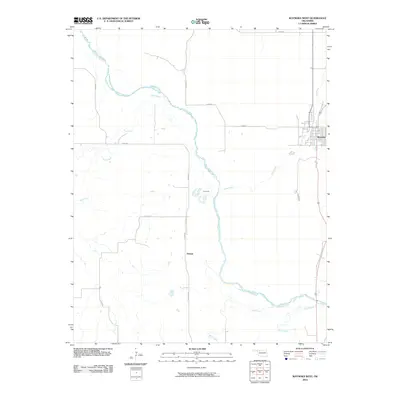 2010 Waynoka West2010 Print · USGSWoods County in the early twenty-first century reveals a landscape shaped by the Cimarron River and its rural road network. Genealogists and researchers can trace the vicinity of Waynoka, the settlement of Heman, and the banks of Dog Creek.
 - 2010 Map of Selman SE, 2010 Print
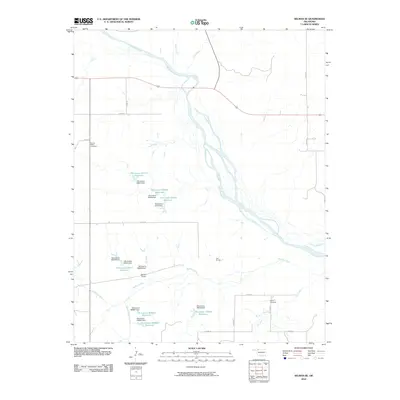 2010 Selman SE2010 Print · USGSNorthwest Oklahoma's ranching and river lands are documented here in the early twenty-first century, showing a landscape defined by water management. Genealogists and local historians can locate Spring Valley Cemetery, Nixon Cemetery, and the notable Salt Springs.
 - 2010 Map of Freedom NW, 2010 Print
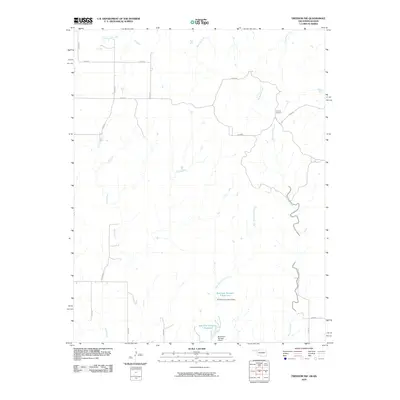 2010 Freedom NW2010 Print · USGSWoods County ranching country is captured here in the early twenty-first century, showing a landscape of drainage basins and isolated landmarks. Researchers can trace family history at the Cowboy Cemetery or locate water infrastructure like the Burnham Number 9 Reservoir.
 - 2010 Map of Tegarden NE, 2010 Print
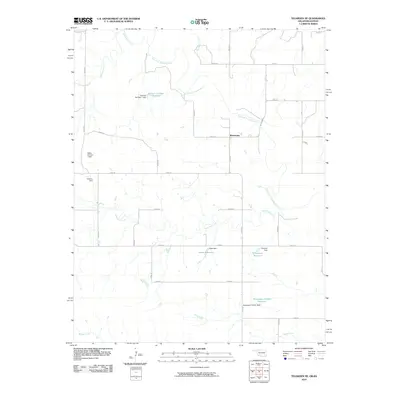 2010 Tegarden NE2010 Print · USGSNorthwest Oklahoma near the Kansas border is defined by its rural waterways and section-line roads in the early twenty-first century. Genealogists and historians can trace local land features like Winchester, Isenbart Number 1 Reservoir, and the Salt Fork Arkansas River.
 - 2010 Map of Alva NW, 2010 Print
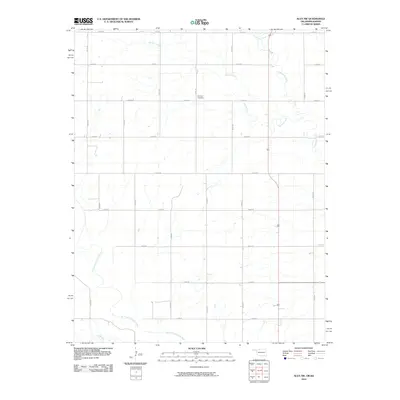 2010 Alva NW2010 Print · USGSThe rural borderlands of Barber County and Oklahoma appear here in the early twenty-first century, structured by a precise grid of section roads. Genealogists and local historians can locate Fairview Cemetery or trace the winding path of the Salt Fork Arkansas River.
 - 2010 Map of Capron, 2010 Print
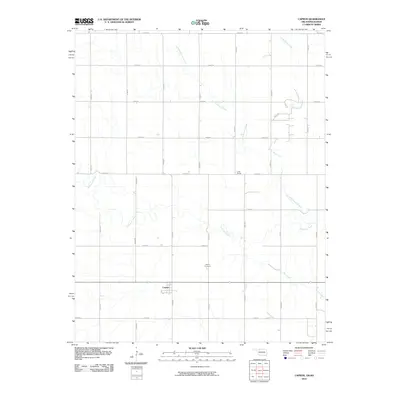 2010 Capron2010 Print · USGSCapron and the surrounding Woods County plains are captured here in the early twenty-first century, showing a landscape defined by ranching and rail. Genealogists and local historians can trace the Capron Cemetery, the rail stop at Loder Siding, and the meanders of Driftwood Creek.
Showing maps 1-25 of 145
Top cities of Woods County
- Alva historical maps
- Waynoka historical maps
- Freedom historical maps
- Dacoma historical maps
- Capron historical maps
- Avard historical maps
Frequently asked questions
- What are the different types of historical maps available for Woods County?
- What is the oldest map of Woods County?
- Where can I purchase historical maps of Woods County for my home or office?
- Where can I download high-res historical maps of Woods County?
- Are there historical topographic maps available for Woods County?
- Is there historical aerial imagery available for Woods County?
- Where are historical maps of Woods County sourced from?