Old Maps of Beaver, Utah for Metal Detecting
Plan your next treasure hunt with 25 historic maps of Beaver. Find old homesites, ghost towns, trails, and gathering spots that may be lost to time — perfect for identifying promising metal detecting locations.
- Locate forgotten sites: Uncover places like long-lost settlements, abandoned rail lines, or gathering spots.
- Plan better hunts: Use map overlays combined with LiDAR or satellite views to narrow in on historically rich areas.
- Made for detectorists: Thousands of hobbyists use these maps to discover relics, coins, and hidden history.
Use these historic maps to boost your research and find new opportunities beneath the surface of Beaver.
Beaver, UT maps
(25)- 1885 Map of Beaver
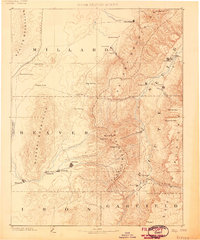 1885 Beaver1885 Print · USGSSouth-central Utah in the 1880s was a landscape of high plateaus and valley settlements tied to the lifelines of the Sevier River and Beaver Creek. Family researchers can trace early town layouts in Beaver and Fillmore or locate rural outposts like Minersville and Kanosh.5 unique versions available
 - 1953 Map of Richfield, 1963 Print
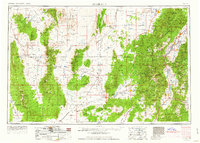 1953 Richfield1963 Print · USGSCentral Utah in the early fifties reveals a complex geography of high plateaus and desert basins tied together by the Union Pacific rail lines. Genealogists and historians can trace family roots in Richfield or Kanosh and locate remote operations like the Blue Star Mine or Newhouse.3 unique versions available
 - 1954 Map of Beaver SE, 1955 Print
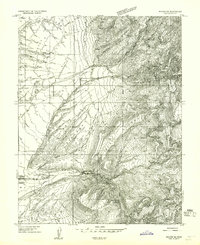 1954 Beaver SE1955 Print · USGSBeaver and the surrounding canyon country are captured here in the mid-fifties, showing the vital irrigation network that sustained the valley. Researchers can trace historic water rights through the Harris Ditch and Mammoth Ditch or locate the old Racetrack and Power Plant at the edge of Beaver.
 - 1958 Map of Richfield
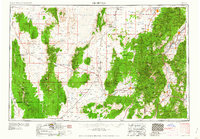 1958 Richfield1958 Print · USGSCentral Utah in the late fifties shows a landscape of mountain forests and desert basins connected by the Union Pacific Railroad. Genealogists and historians can trace rail stops at Nada Station, mines like the Blue Star Mine, and tribal lands of the Paiute Indian Reservation.2 unique versions available
 - 1958 Map of Beaver, 1960 Print
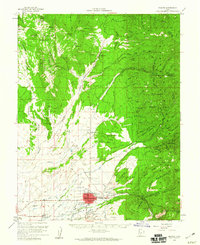 1958 Beaver1960 Print · USGSBeaver and the surrounding high desert valleys are documented here in the late fifties as the town grew along the historic corridor of the Utah state roads. Genealogists and local historians can locate civic landmarks like Belknap Sch and Mtn View Cemetery or trace old mining claims such as the Rob Roy Mine.2 unique versions available
 - 1971 Map of Greenville Bench, 1975 Print
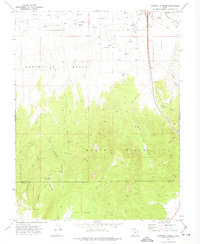 1971 Greenville Bench1975 Print · USGSThe high desert north of the Iron County line is captured in the early 1970s, showing a landscape defined by irrigation and remote hollows. Trace water management through the Aberdare Canal and Barton Ditch, or locate landmarks like Beaver Municipal Airport.
 - 1980 Map of Beaver, 1981 Print
 1980 Beaver1981 Print · USGSSouthern Utah at the start of the 1980s reveals a rugged landscape of high mountain plateaus and essential desert irrigation networks. Researchers can trace the path of the Denver and Rio Grande Western through Marysvale or locate local landmarks like the Deer Trail Mine and Puffer Lake.2 unique versions available
 - 1986 Map of Beaver
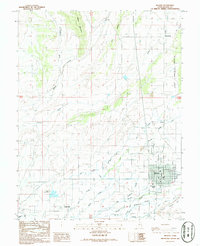 1986 Beaver1986 Print · USGSBeaver County is captured in the mid-1980s as a thriving agricultural hub centered on the river valley. Genealogists and local historians can trace the irrigation networks of Carter Ditch and locate family landmarks from Manderfield to Greenville.
 - 1987 Map of Black Ridge
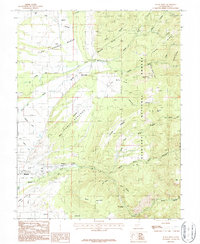 1987 Black Ridge1987 Print · USGSBeaver, Utah, is documented here in the late eighties, showing the critical intersection of mountain water and valley agriculture. Genealogists and local historians can trace irrigation networks like the South Field DITCH and explore landmarks from Rattlesnake Peak to Ponderosa Park.
 - 2001 Map of Black Ridge, 2003 Print
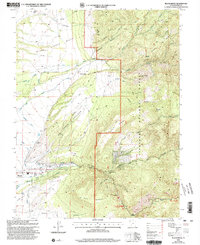 2001 Black Ridge2003 Print · USGSBeaver and the eastern high desert of Utah are shown at the turn of the millennium as a landscape defined by irrigation and mountain timber. Researchers can trace historic water management through the Mammoth Ditch and South Field Ditch or locate recreation sites like Little Cottonwood Campground.
 - 2010 Map of Beaver, 2010 Print
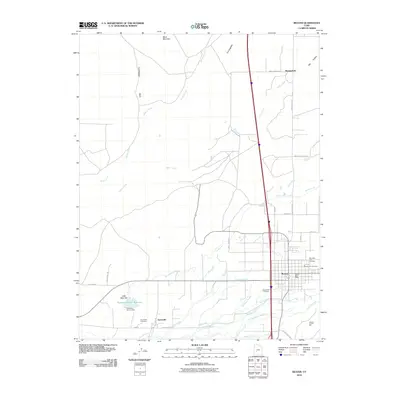 2010 Beaver2010 Print · USGSBeaver County’s river valleys and high-desert landscapes are captured here as they appeared in the early twenty-first century. Researchers can trace family roots at Greenville Cemetery or map the historic water rights along the Carter Ditch and Beaver River.
 - 2010 Map of Greenville Bench, 2010 Print
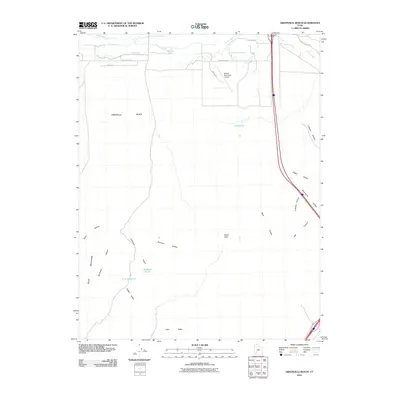 2010 Greenville Bench2010 Print · USGSBeaver County’s high desert landscape and agricultural heritage are visible in this 2010 study of the basin and range transition. Trace the complex irrigation network from the Aberdare Canal to Jims Reservoir and find local landmarks like Beaver Municipal Airport.
 - 2011 Map of Black Ridge, 2011 Print
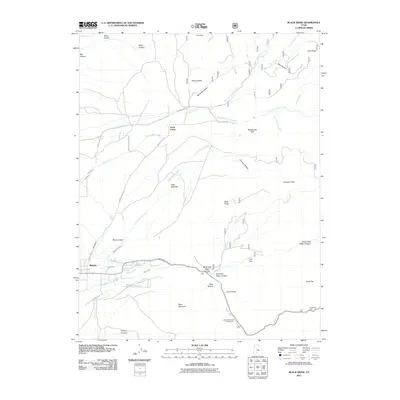 2011 Black Ridge2011 Print · USGSBeaver and the surrounding canyon country are captured here at the start of the 2010s. Trace the complex irrigation history of the region through the Mammoth Canal, Glider Mine, and various local waterways like Harris Ditch.
 - 2014 Map of Greenville Bench, 2014 Print
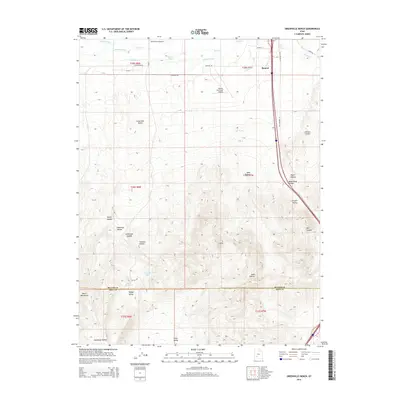 2014 Greenville Bench2014 Print · USGSThe community of Beaver and its agricultural periphery are captured here in the early twenty-first century. Researchers can trace irrigation networks like the Aberdare Canal and Patterson Ditch, or locate landmarks such as the Beaver Municipal Airport and CCC Pond.
 - 2014 Map of Black Ridge, 2014 Print
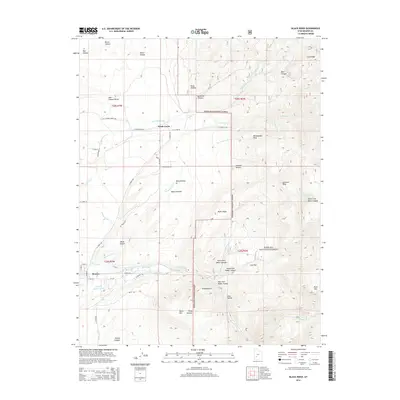 2014 Black Ridge2014 Print · USGSThe eastern outskirts of Beaver meet the high ridges of the Fishlake National Forest in this 2014 survey. Researchers can trace the vital irrigation networks of the Mammoth Canal and Last Chance Canal alongside the Beaver River.
 - 2014 Map of Beaver, 2014 Print
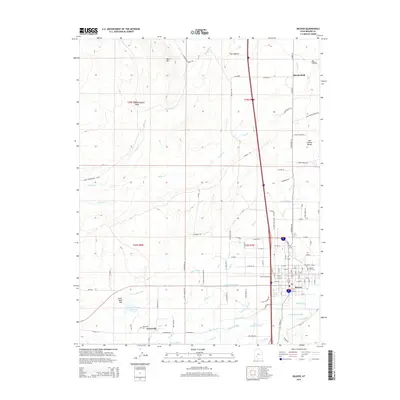 2014 Beaver2014 Print · USGSBeaver County's agricultural heartland is captured here in the early twenty-first century, featuring the intricate water networks of the eastern valley. Trace local roots and land use near Greenville, Manderfield, and the City Cem.
 - 2017 Map of Black Ridge, 2017 Print
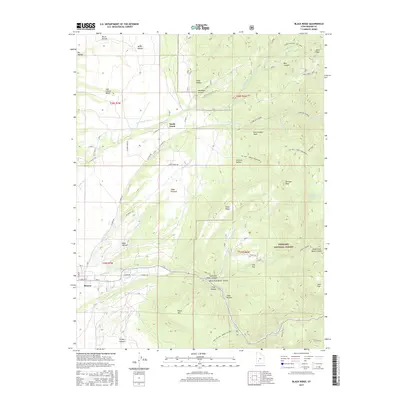 2017 Black Ridge2017 Print · USGSBeaver County comes alive in this contemporary survey of the high desert and mountains just east of Beaver. Trace the vital water networks of the Last Chance Canal and City Ditch as they serve the Table Grounds, or explore the canyon trails of Fishlake National Forest.
 - 2017 Map of Beaver, 2017 Print
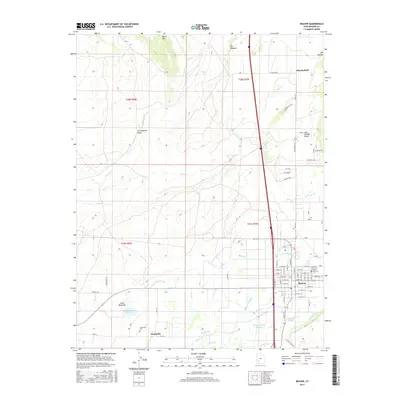 2017 Beaver2017 Print · USGSThe high-desert valley of Beaver County is documented here during the late 2010s, showcasing a landscape defined by complex irrigation and early pioneer settlements. Genealogists and historians can locate family burial plots at Mountain View Cemetery or trace water rights along the Beaver River and Carter Ditch.
 - 2017 Map of Greenville Bench, 2017 Print
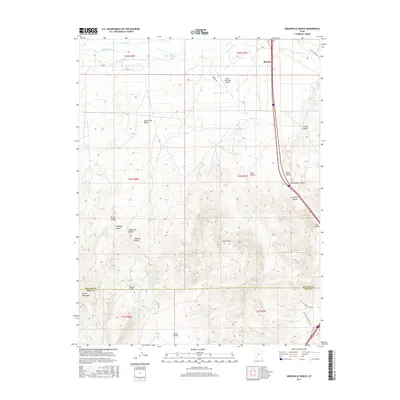 2017 Greenville Bench2017 Print · USGSBeaver County’s high plateaus and agricultural basins are captured here in the late twenty-teens. Trace the network of irrigation works including the Aberdare Canal and Barton Ditch, or locate landmarks like Jims Reservoir and Teddys Valley.
 - 2020 Map of Black Ridge, 2020 Print
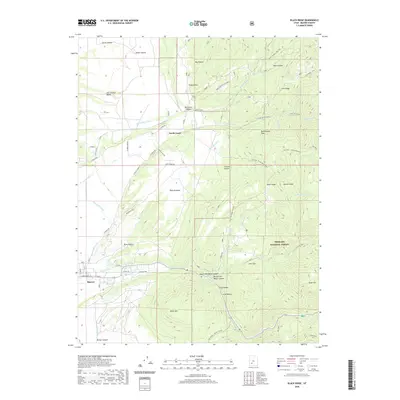 2020 Black Ridge2020 Print · USGSThe community of Beaver and its surrounding irrigation network are documented here in the early twenty-first century. Genealogists and researchers can trace the intricate water systems of Mammoth Canal and City Ditch alongside the heights of Rattlesnake Peak.
 - 2020 Map of Greenville Bench, 2020 Print
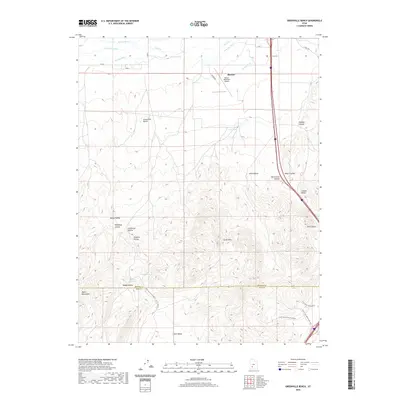 2020 Greenville Bench2020 Print · USGSThe high-desert terrain near Beaver reveals a history of water management and livestock grazing in the early twenty-first century. Genealogists and researchers can trace family landmarks and irrigation history through features like Greenville Bench, Jims Reservoir, and the Aberdare Canal.
 - 2020 Map of Beaver, 2020 Print
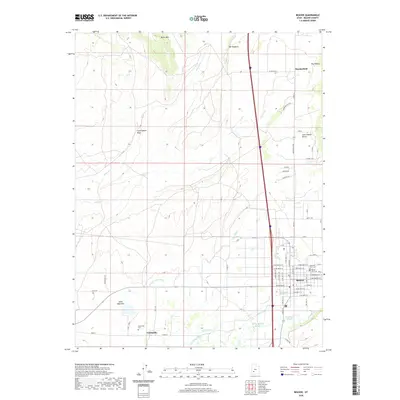 2020 Beaver2020 Print · USGSBeaver and its surrounding ranching valleys appear here in the early twenty-first century, showing the enduring grid of the town and its outlying neighbors. Researchers can trace family sites at Greenville Cem or locate historical water features like Adobe Yard Spring and City Ditch.
 - 2023 Map of Beaver, 2023 Print
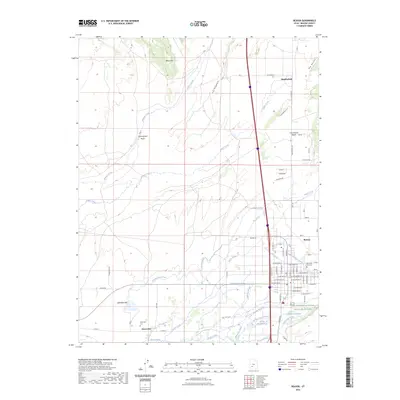 2023 Beaver2023 Print · USGSBeaver and its surrounding farming communities are documented here in the early twenty-first century, showing the sophisticated irrigation of the valley. Researchers can trace family history at Mountain View Cem or explore the hydrologic layout of Patterson Ditch and the Beaver River.
 - 2023 Map of Black Ridge, 2023 Print
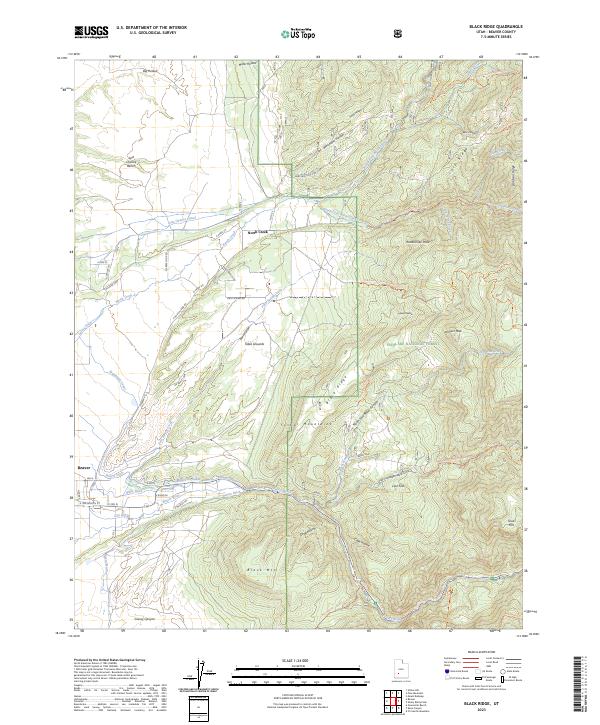 2023 Black Ridge2023 Print · USGSThe area east of Beaver is shown here as a landscape shaped by water engineering and the high peaks of the Tushar Mountains. Genealogists and researchers can trace the historic irrigation network of the Last Chance Canal, Mammoth Canal, and City Ditch.
 - 2023 Map of Greenville Bench, 2023 Print
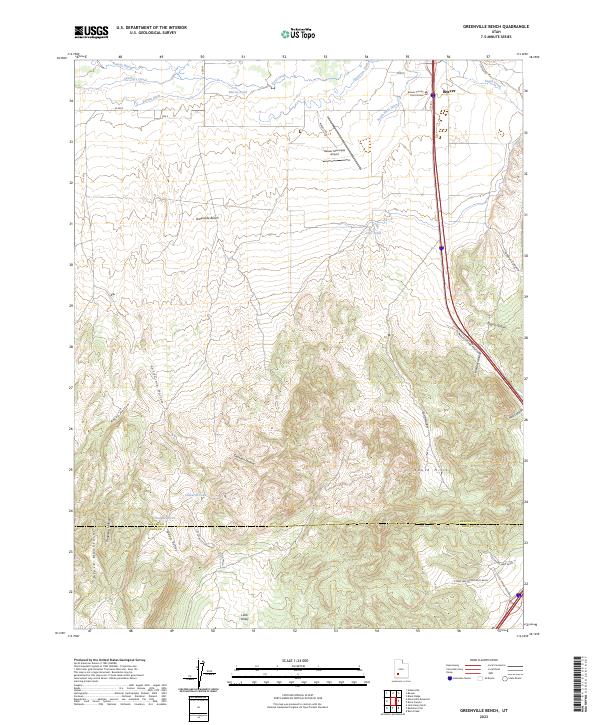 2023 Greenville Bench2023 Print · USGSThe northern edge of the Black Mountains meets the irrigated valleys of Beaver County in the early twenty-first century. Researchers can trace the complex irrigation history of the Greenville Bench through the Aberdare Canal and locate landmarks like the Beaver County Court House.
End of results
Showing maps 1-25 of 25
Frequently asked questions
- What are the different types of historical maps available for Beaver?
- What is the oldest map of Beaver?
- Where can I purchase historical maps of Beaver for my home or office?
- Where can I download high-res historical maps of Beaver?
- Are there historical topographic maps available for Beaver?
- Is there historical aerial imagery available for Beaver?
- Where are historical maps of Beaver sourced from?