1950s Maps of Emery County, Utah
Explore 61 historic maps of Emery County from the 1950s. These maps offer a rare glimpse into what life looked like during the 1950s — showing old roads, neighborhoods, homes, and landmarks that have changed or disappeared over time.
Whether you're researching your family's past, planning a metal detecting trip, or studying how Emery County's landscape evolved across the 1950s, these high-resolution maps are a powerful tool for exploring the history of this region.
- Focus on a specific era: All maps on this page are from the 1950s, giving you a focused view of this time period.
- See what’s changed: Compare century-old streets, trails, and buildings to today's modern landscape using overlays and satellite layers.
- Research with precision: Use these maps for genealogy, historical research, land use analysis, or educational projects.
- View, download, or print: Maps are fully viewable online in high resolution, and can be downloaded or printed for your own records.
Start exploring Emery County's history through authentic maps from the 1950s. This is your window into the past.
Emery County, UT maps
(61)- 1950 Map of Woodside
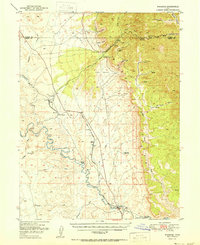 1950 Woodside1950 Print · USGSEmery County was a landscape of deep canyons and rail-side outposts at the midpoint of the twentieth century. Researchers can trace the industrial footprint of the Geneva Coal Mine or locate early settlements and family landmarks like Woodside, Silvagni Ranch, and the local Cem.2 unique versions available
 - 1951 Map of The Knoll, 1953 Print
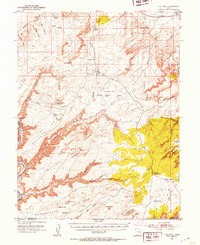 1951 The Knoll1953 Print · USGSThe Grand and San Juan County line at the dawn of the 1950s is a landscape of remote cattle ranges and deep river canyons. Researchers can trace the era's ranching infrastructure through Dubinky Well, Gil Well, and the grazing lands of Arth Pasture.5 unique versions available
 - 1952 Map of Tidwell 4 SE, 1954 Print
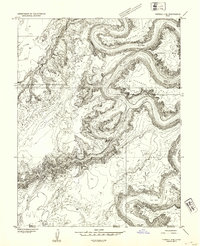 1952 Tidwell 4 SE1954 Print · USGSThe Green River serpentine loops dominate this mid-century desert landscape at the meeting point of four Utah counties. Trace the river's path through the iconic Bowknot Bend and locate historic access points like Mineral Bottom and Horse Thief Bottom along the canyon floor.
 - 1952 Map of Tidwell 4 NE, 1954 Print
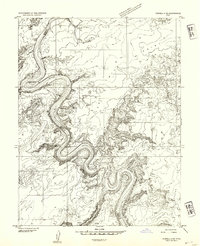 1952 Tidwell 4 NE1954 Print · USGSThe canyons of the Green River dominate this early 1950s survey of the Utah high desert. Historians and geologists can trace the winding county boundary and locate remote water sources like Keg Spring and Spring Canyon.
 - 1952 Map of Moab 3 SW, 1954 Print
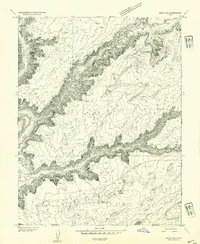 1952 Moab 3 SW1954 Print · USGSThe Green River backcountry of eastern Utah is captured here in the early fifties, showing a landscape of sheer cliffs and isolated river bottoms. Trace the rugged terrain of Mineral Canyon and find remote water sources like Horsethief Spring and the Green River flats.
 - 1952 Map of Notom 2 NE, 1954 Print
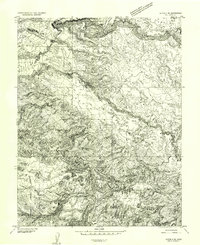 1952 Notom 2 NE1954 Print · USGSThe high plateau country of Wayne and Emery Counties is captured here in the early 1950s before the development of major modern access. Geologists and local historians can trace the intricate drainages of South Creek and Hartnet Draw through the Middle Desert.
 - 1952 Map of Wild Horse, 1957 Print
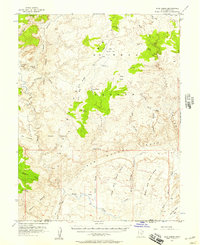 1952 Wild Horse1957 Print · USGSThe high desert of Emery County is captured here in the early 1950s, documenting a period when only jeep trails and remote springs sustained travel through the swell. Researchers can trace the geological barriers of the San Rafael Reef and locate early water sources like Cistern Tanks and Bullberry Spring.2 unique versions available
 - 1952 Map of Torrey, 1958 Print
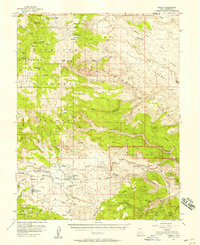 1952 Torrey1958 Print · USGSTorrey and Teasdale sit at the edge of the desert during the early 1950s, a time when the high plateaus and sandstone reefs were still navigated by jeep trails. Researchers can locate the local Cem, the Elkhorn Ranger Sta, and early infrastructure like the Power Plant along the Fremont River.3 unique versions available
 - 1952 Map of San Rafael Knob, 1958 Print
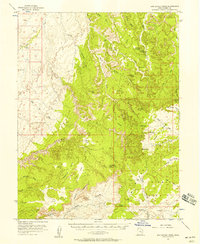 1952 San Rafael Knob1958 Print · USGSEmery County's high desert is captured in the early 1950s, showing a landscape defined by deep canyons and isolated outposts. Researchers can trace the region's prospecting and ranching roots through the Lucky Strike Mine, Swazy Cabin, and the remote Landing Strip.2 unique versions available
 - 1953 Map of Stinking Spring Creek 2 SE
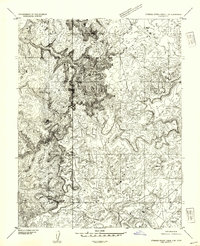 1953 Stinking Spring Creek 2 SE1953 Print · USGSEmery County during the early fifties remains a primitive landscape of deep washes and towering buttes. Researchers can locate the isolated Swazy Cabin and trace the paths of Georges Draw and Red Wash through the San Rafael Swell.
 - 1953 Map of Wilsonville SE
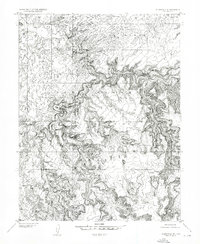 1953 Wilsonville SE1953 Print · USGSThe San Rafael desert in the early fifties is captured here through detailed topography and river courses. Genealogists and desert explorers can trace the winding San Rafael River and the high plateaus of Sids Mountain and The Wedge.
 - 1953 Map of Red Plateau SE, 1954 Print
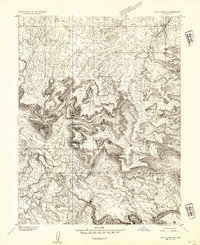 1953 Red Plateau SE1954 Print · USGSThe San Rafael Swell in the early fifties was a landscape of remote plateaus and deep desert canyons. Researchers can trace the winding San Rafael River and locate vital water sources like Moonshine Water Hole and the Reservoir.
 - 1953 Map of Emery 4 NE, 1954 Print
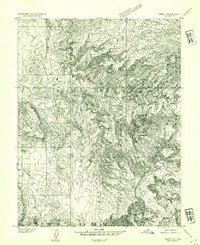 1953 Emery 4 NE1954 Print · USGSCentral Utah’s desert landscape is documented in the early fifties, focusing on the geological complexity of the San Rafael Swell. Researchers can trace the path of the Muddy River and identify localized landmarks like Mussentuchit Knoll and Johns Hole.
 - 1953 Map of Tidwell 2 SW, 1954 Print
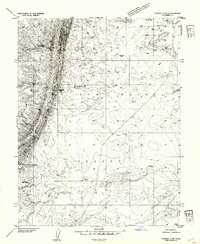 1953 Tidwell 2 SW1954 Print · USGSThe San Rafael Desert in the early fifties is captured here as a landscape of stark contrasts between high ridgelines and arid basins. Geologists and desert historians can trace seasonal drainages like Iron Wash or locate the solitary Water Well (Aband'd).
 - 1953 Map of Red Plateau SW, 1954 Print
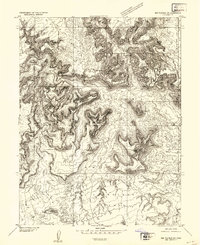 1953 Red Plateau SW1954 Print · USGSThe San Rafael Swell in the early fifties remains a landscape of deep canyons and isolated summits. Researchers can trace early petroleum exploration through Oil Well Test Holes and locate major landmarks like The Wedge and Bottleneck Peak.2 unique versions available
 - 1953 Map of Emery 4 SE, 1954 Print
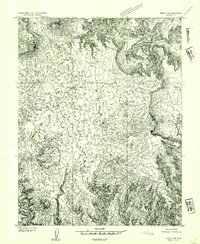 1953 Emery 4 SE1954 Print · USGSThe central Utah desert in the early fifties is captured here through the lens of early aerial mapping techniques. Researchers can trace the rugged drainage of Johns Canyon and the massive geological formations of the San Rafael Swell along the Wayne Co border.
 - 1953 Map of Tidwell 3 NW, 1954 Print
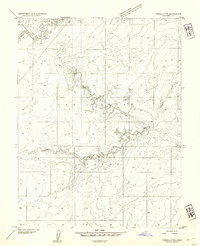 1953 Tidwell 3 NW1954 Print · USGSEmery County was a landscape of sparse water and deep canyons in the early fifties. Trace the critical desert water sources like Crows Nest Spring and Cottonwood Spring or follow the winding path of Cottonwood Wash.
 - 1953 Map of Orange Cliffs 1 NE, 1954 Print
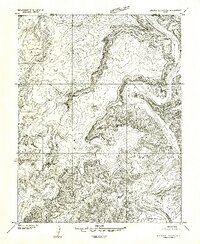 1953 Orange Cliffs 1 NE1954 Print · USGSThe Green River meanders through the high desert of southeastern Utah in the early fifties, defining the borders of four counties. Trace the river's dramatic course through Stillwater Canyon past landmarks like Fort Bottom and Horsethief Point.
 - 1953 Map of Beckwith Peak SW, 1954 Print
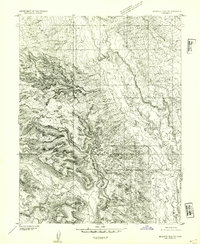 1953 Beckwith Peak SW1954 Print · USGSEmery County, Utah is captured here in the early 1950s, showing a landscape defined by deep river canyons and high mesas. Local history researchers can locate Smith Cabin and trace the path of a Railroad Dismantled as it crosses Tidwell Draw.
 - 1953 Map of Tidwell 2 NW, 1954 Print
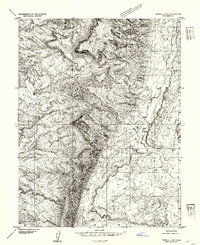 1953 Tidwell 2 NW1954 Print · USGSEmery County's high desert landscape is recorded here in the early fifties, before modern access changed the San Rafael Swell. Researchers can trace remote desert outposts like Camp Vinero and find traditional water sources at Thompsons Hole or Mochasme Tanks.
 - 1953 Map of Emery 1 NE, 1954 Print
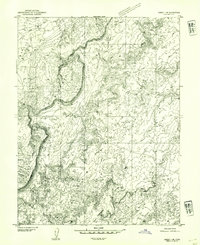 1953 Emery 1 NE1954 Print · USGSThe arid canyons and plateaus of Emery County are captured in this mid-century preliminary survey. Researchers can trace the complex drainage systems of Dry Wash and Molen Wash beneath the prominent ridgeline of Molen Reef.
 - 1953 Map of Emery 1 SE, 1954 Print
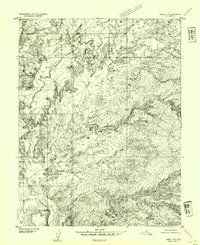 1953 Emery 1 SE1954 Print · USGSEmery County in the early fifties shows a remote desert landscape dominated by drainage basins and sparse outposts. Genealogists and researchers can locate specific sites like Dennises Well and the Lone Tree (Camp Site) along the Muddy River.
 - 1953 Map of The Spur, 1956 Print
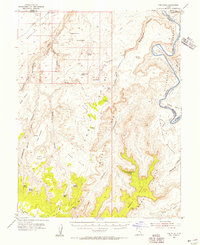 1953 The Spur1956 Print · USGSCattle ranching and ancient history intersect in this canyonlands survey from the early fifties. Researchers can trace the remote Tidwell Ranch and Petroglyphs alongside landmarks like Cleopatras Chair and the Green River.4 unique versions available
 - 1953 Map of Temple Mtn, 1957 Print
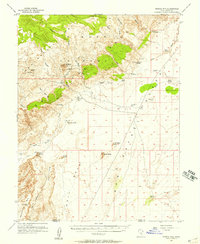 1953 Temple Mtn1957 Print · USGSEmery County was at a peak of desert exploration in the early fifties, characterized by a mix of rugged mining and vital water sources. You can trace the complex network of Jeep Trails leading to Tunnels at Temple Mtn or locate remote landmarks like Mormon Tanks and Goblin Valley.3 unique versions available
 - 1954 Map of Stinking Springs Creek 4 SW
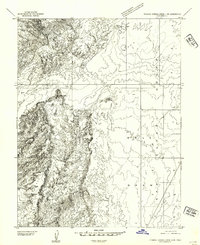 1954 Stinking Springs Creek 4 SW1954 Print · USGSEmery County, Utah, is captured here in the early fifties as a landscape of dramatic geological formations and sparse desert water sources. Researchers can trace the steep contours of East Mesa and locate remote landmarks like Wild Horse Butte and Buckskin Spring.
Showing maps 1-25 of 61
Top cities of Emery County
- Huntington historical maps
- Castle Dale historical maps
- Ferron historical maps
- Orangeville historical maps
- Green River historical maps
- Cleveland historical maps
See more
Frequently asked questions
- What are the different types of historical maps available for Emery County?
- What is the oldest map of Emery County?
- Where can I purchase historical maps of Emery County for my home or office?
- Where can I download high-res historical maps of Emery County?
- Are there historical topographic maps available for Emery County?
- Is there historical aerial imagery available for Emery County?
- Where are historical maps of Emery County sourced from?