1960s Maps of Grant County, Washington
Explore 46 historic maps of Grant County from the 1960s. These maps offer a rare glimpse into what life looked like during the 1960s — showing old roads, neighborhoods, homes, and landmarks that have changed or disappeared over time.
Whether you're researching your family's past, planning a metal detecting trip, or studying how Grant County's landscape evolved across the 1960s, these high-resolution maps are a powerful tool for exploring the history of this region.
- Focus on a specific era: All maps on this page are from the 1960s, giving you a focused view of this time period.
- See what’s changed: Compare century-old streets, trails, and buildings to today's modern landscape using overlays and satellite layers.
- Research with precision: Use these maps for genealogy, historical research, land use analysis, or educational projects.
- View, download, or print: Maps are fully viewable online in high resolution, and can be downloaded or printed for your own records.
Start exploring Grant County's history through authentic maps from the 1960s. This is your window into the past.
Grant County, WA maps
(46)- 1961 Map of Yakima
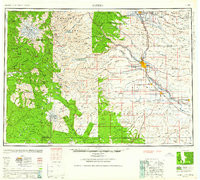 1961 Yakima1961 Print · USGSCentral Washington thrived in the mid-century as an agricultural powerhouse defined by the Yakima River. Trace local roots through Medicine Valley School, Fort Simcoe, and the rail lines of the Northern Pacific RR.
 - 1965 Map of Ritzville
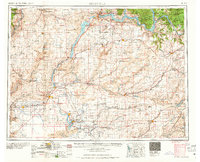 1965 Ritzville1965 Print · USGSCentral Washington during the mid-sixties shows a landscape shaped by massive irrigation projects and the Cold War. Genealogists and historians can trace rail-town life and military presence through Ephrata Air Base, the Telford Station, and local schools.
 - 1965 Map of Beverly SE, 1966 Print
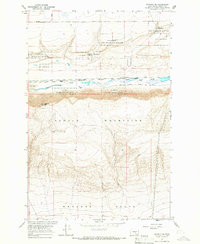 1965 Beverly SE1966 Print · USGSGrant County in the mid-1960s reveals a rugged landscape defined by the Saddle Mountains and the protected wetlands of the Columbia National Wildlife Refuge. Researchers can trace the path of the Chicago Milwaukee St Paul and Pacific railroad past Jericho and Lower Crab Creek.
 - 1965 Map of Vantage, 1966 Print
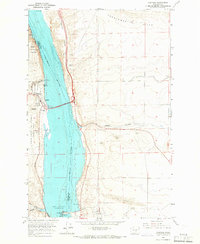 1965 Vantage1966 Print · USGSThe Columbia River dominates this mid-1960s landscape as it passes between Kittitas and Grant counties during the era of hydroelectric expansion. Researchers can trace the massive Wanapum Dam works, find the desert settlement of Vantage, and explore the geological reaches of Sand Hollow.3 unique versions available
 - 1965 Map of Corfu, 1966 Print
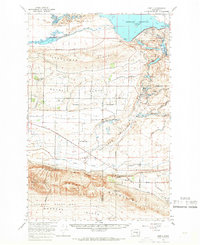 1965 Corfu1966 Print · USGSThe high desert of Grant and Adams counties comes into focus in the mid-1960s, showing a landscape reshaped by massive irrigation projects. Researchers can trace the Milwaukee Road rail line through Corfu and Taunton or locate the Hope Cem near the Saddle Mountains.2 unique versions available
 - 1965 Map of Coyote Rapids, 1966 Print
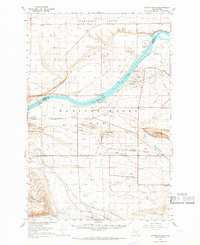 1965 Coyote Rapids1966 Print · USGSBenton and Grant Counties are captured here during the mid-sixties, dominated by the secretive landscape of the atomic energy commission. Genealogists and historians can trace the U S Govt Railroad and old river settlements like Allard, Wahluke, and Riverland.2 unique versions available
 - 1965 Map of Hanford, 1966 Print
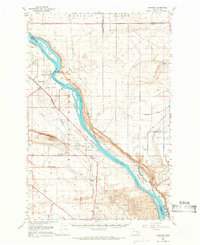 1965 Hanford1966 Print · USGSThe mid-sixties Hanford area is captured here during its peak years as a secure federal site. Researchers can trace the U S Government Railroad and locate landmarks like Gable Mountain, Hanford, and the White Bluffs.2 unique versions available
 - 1965 Map of Jameson Lake SE, 1966 Print
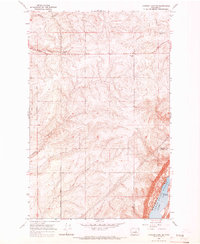 1965 Jameson Lake SE1966 Print · USGSThe basalt rim of the Lower Grand Coulee and the northern reaches of Lenore Lake define this mid-1960s landscape. Genealogists and local historians can locate the Highland Cemetery, the Highland Sch, and the small settlement of Olin.
 - 1965 Map of Smyrna, 1966 Print
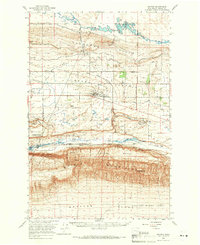 1965 Smyrna1966 Print · USGSMid-century irrigation and atomic-era history meet in this survey of Grant County. Researchers can trace the development of Royal City, locate family landmarks like Chadbourne Ranch, and see the northern boundary of the Hanford Works (A E C).
 - 1965 Map of Priest Rapids, 1966 Print
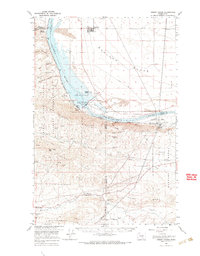 1965 Priest Rapids1966 Print · USGSThe Columbia River bend underwent a profound transformation in the 1960s as hydroelectric power and federal projects reshaped the desert landscape. Genealogists and historians can trace family locations like Meeboor Ranch or the Black Rock Cem alongside the massive Priest Rapids Dam.
 - 1965 Map of Beverly, 1966 Print
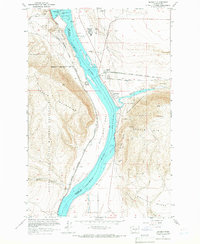 1965 Beverly1966 Print · USGSThe mid-Columbia River valley comes alive in this mid-sixties survey of the Sentinel Gap and Saddle Mountains. Researchers can trace the railroad operations at Beverly Junction and the infrastructure of the newly built Wanapum Dam.
 - 1965 Map of Beverly NE, 1966 Print
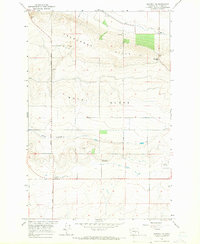 1965 Beverly NE1966 Print · USGSThe Grant County landscape was undergoing a major industrial shift in the 1960s as irrigation projects reshaped the interior. Researchers can trace the development of the Aqueduct and Canal systems near Low Gap Pass and the Sand Hollow Pumping Station.
 - 1965 Map of Beverly, 1966 Print
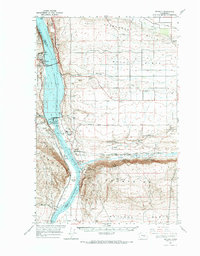 1965 Beverly1966 Print · USGSCentral Washington during the mid-sixties reveals a river landscape transformed by hydroelectric power and irrigation. You can trace the rail corridor of the Chicago Milwaukee St Paul and Pacific and locate settlements like Wanapum Village and Vantage.
 - 1965 Map of Mold, 1967 Print
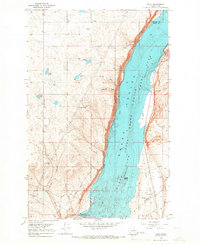 1965 Mold1967 Print · USGSMid-century Douglas County is captured here during a period of significant water management and transit shifts. Genealogists and historians can trace the foundations of Mold, locate the Mold Cem, and follow the Old Railroad Grade as it winds toward Fordair.
 - 1965 Map of Park Lake, 1967 Print
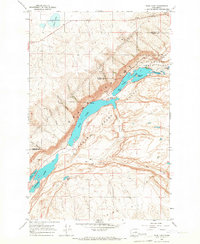 1965 Park Lake1967 Print · USGSThe deep canyon lakes of the Channeled Scablands are captured here in the mid-1960s. Genealogists and researchers can trace the development of Sun Lakes State Park and locate landmarks like McDonald and Big Rock Island.
 - 1965 Map of Coulee City, 1967 Print
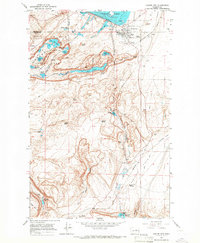 1965 Coulee City1967 Print · USGSCoulee City sits at the threshold of the spectacular Grand Coulee during the mid-sixties, a period of significant hydroelectric and agricultural development. Genealogists and historians can trace the Northern Pacific rail line through Odair or locate family-named landmarks like McEntee Spring and Arbuckle Draw.3 unique versions available
 - 1966 Map of Winchester, 1967 Print
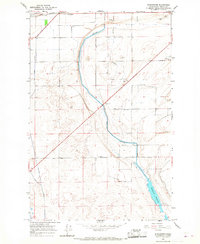 1966 Winchester1967 Print · USGSGrant County agriculture and infrastructure were evolving rapidly in the mid-sixties as irrigation transformed the high desert. Trace the engineered paths of the Winchester Wasteway and Aqueduct near the Great Northern rail line.
 - 1966 Map of Monument Hill, 1967 Print
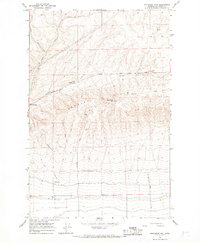 1966 Monument Hill1967 Print · USGSGrant County is captured in the mid-1960s as a landscape of sharp ridges and developing infrastructure. Researchers can trace the agricultural footprint through labels like Storage Bin and Gravel Pit, or locate landmarks such as Baird Springs and the Radio Tower (KPOR).
 - 1966 Map of Palisades, 1967 Print
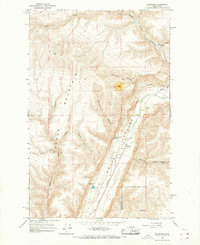 1966 Palisades1967 Print · USGSMoses Coulee and the settlement of Palisades are frozen in time during the mid-sixties, when the railway still defined local transit. Researchers can trace the Great Northern rail line as it snakes past Skookumchuck Spring and Douglas Creek.
 - 1966 Map of Winchester SW, 1967 Print
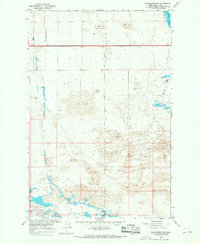 1966 Winchester SW1967 Print · USGSGrant County in the mid-1960s shows a landscape transformed by water management and irrigation projects. Genealogists and historians can trace the paths of the Winchester Wasteway, locate a Siphon along the highway, and find isolated points like Soap Lake.2 unique versions available
 - 1966 Map of Evergreen Ridge, 1968 Print
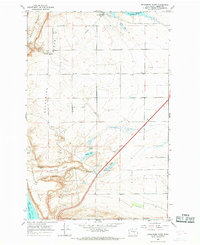 1966 Evergreen Ridge1968 Print · USGSGrant County in the mid-1960s was a landscape being reshaped by the Columbia Basin Project's irrigation infrastructure. Trace the network of the Aqueduct and Siphon past local landmarks like Cabin Lake and the Evergreen Pumping Plant.
 - 1966 Map of Winchester SE, 1968 Print
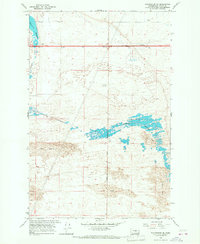 1966 Winchester SE1968 Print · USGSCentral Washington's high desert reveals its mid-century irrigation and power infrastructure in the late 1960s. Trace the path of the Winchester Wasteway through vast Sand Dunes and locate landmarks like the Potholes Substation.2 unique versions available
 - 1966 Map of Cape Horn SE, 1968 Print
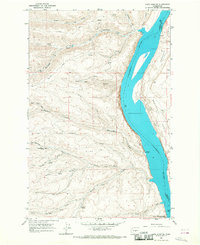 1966 Cape Horn SE1968 Print · USGSKittitas County and the Columbia River are shown here in the mid-sixties, a period defined by rugged canyon access and early state park development. Local historians can trace old river access points like Scammon Landing or inland landmarks such as Kohler Spring and Box Canyon.3 unique versions available
 - 1966 Map of Rattlesnake Springs, 1968 Print
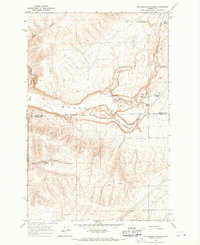 1966 Rattlesnake Springs1968 Print · USGSMoses Coulee and the Douglas-Grant county line are captured here in the mid-sixties, a period defined by ranching access and geological study. Researchers can trace historic water sources like Rattlesnake Springs and the winding path of the Three Devils Grade.
 - 1966 Map of West Bar, 1968 Print
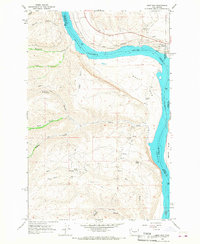 1966 West Bar1968 Print · USGSThe Columbia River gorge and the settlement of Trinidad are captured here in the mid-sixties, showing a landscape shaped by the Great Northern rail line. Researchers can trace the development of the Crescent Bar Recreation Area or locate remote landmarks like Sumac Spring and the Tekison Trail.2 unique versions available
Showing maps 1-25 of 46
Top cities of Grant County
- Moses Lake historical maps
- Ephrata historical maps
- Quincy historical maps
- Mattawa historical maps
- Warden historical maps
- Royal City historical maps
See more
Frequently asked questions
- What are the different types of historical maps available for Grant County?
- What is the oldest map of Grant County?
- Where can I purchase historical maps of Grant County for my home or office?
- Where can I download high-res historical maps of Grant County?
- Are there historical topographic maps available for Grant County?
- Is there historical aerial imagery available for Grant County?
- Where are historical maps of Grant County sourced from?