1950s Maps of West Virginia
Explore 164 historic maps of West Virginia from the 1950s. These maps offer a rare glimpse into what life looked like during the 1950s — showing old roads, neighborhoods, homes, and landmarks that have changed or disappeared over time.
Whether you're researching your family's past, planning a metal detecting trip, or studying how West Virginia's landscape evolved across the 1950s, these high-resolution maps are a powerful tool for exploring the history of this region.
- Focus on a specific era: All maps on this page are from the 1950s, giving you a focused view of this time period.
- See what’s changed: Compare century-old streets, trails, and buildings to today's modern landscape using overlays and satellite layers.
- Research with precision: Use these maps for genealogy, historical research, land use analysis, or educational projects.
- View, download, or print: Maps are fully viewable online in high resolution, and can be downloaded or printed for your own records.
Start exploring West Virginia's history through authentic maps from the 1950s. This is your window into the past.
West Virginia maps
(164)- 1950 Map of Gorman
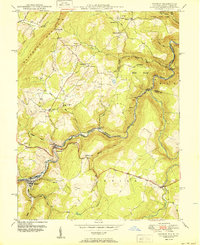 1950 Gorman1950 Print · USGSThe Potomac River's North Branch divides Maryland and West Virginia in the late 1940s, a landscape defined by timber, coal, and the Western Maryland railroad. Trace family history at Fort Pendleton or the Chisholm-Nydegger Cemetery and explore vanished sites like Tasker Corners.2 unique versions available
 - 1950 Map of Oakland
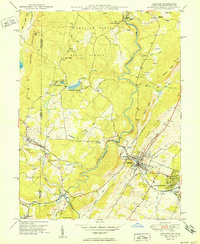 1950 Oakland1950 Print · USGSGarrett County and the West Virginia border are mapped here in the late 1940s as the rail and river economy thrived. Genealogists and historians can trace family roots through Sines Cem, the Baltimore and Ohio RR corridor, and rural sites like Crellin.2 unique versions available
 - 1950 Map of Kitzmiller
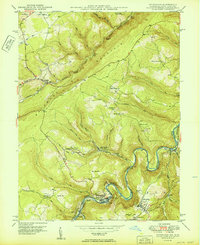 1950 Kitzmiller1950 Print · USGSThe Potomac River border and the coal-rich slopes of Backbone Mountain are captured here just after the war. Researchers can trace the rail-and-river economy of Kitzmiller, find family roots at Odd Fellows Cem, and locate the mining hamlet of Potomac Manor.3 unique versions available
 - 1950 Map of Keyser, 1954 Print
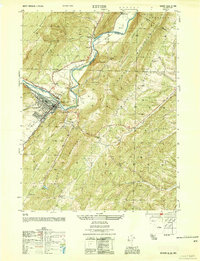 1950 Keyser1954 Print · USGSMid-century Mineral County is defined by the heavy rail and river industrial corridor centered on Keyser. Genealogists and local historians can trace landmarks like the County Farm, the Fountain Sch, and several family cemeteries including Meadow View Cem.
 - 1950 Map of Frostburg, 1960 Print
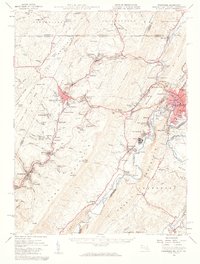 1950 Frostburg1960 Print · USGSMid-century Allegany County is defined here by its intensive coal mining operations and the intricate rail network of the Western Maryland and other lines. Researchers can trace the lineage of vanished mining hamlets and local landmarks like Borden Shaft, Klondike, and the scenic heights of Lovers Leap.3 unique versions available
 - 1950 Map of Artemas, 1960 Print
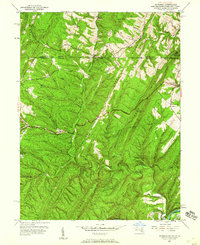 1950 Artemas1960 Print · USGSAllegany County and the Pennsylvania border are shown here in the mid-twentieth century as a landscape of deep hollows and narrow ridge farming. Researchers can trace the Mason and Dixon Line and find sites like White Sulphur Spring and St Patrick Ch.6 unique versions available
 - 1950 Map of Oldtown, 1965 Print
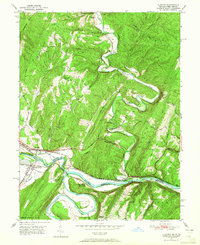 1950 Oldtown1965 Print · USGSThe Potomac River valley on the Maryland-West Virginia border comes alive in this mid-century survey of the historic Oldtown vicinity. Researchers can trace the path of the Chesapeake and Ohio Canal and locate rural landmarks like Mount Olive Church and Pumpkin Center.2 unique versions available
 - 1950 Map of Paw Paw, 1967 Print
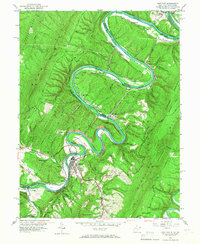 1950 Paw Paw1967 Print · USGSThe Potomac River oxbows at the West Virginia-Maryland border in the mid-century, where the rail-and-canal economy shaped the mountain landscape. Trace the historic route of the Baltimore and Ohio Railroad past Magnolia and find rural sites like Milo School and Sulphur Springs Ch.3 unique versions available
 - 1950 Map of Lonaconing, 1968 Print
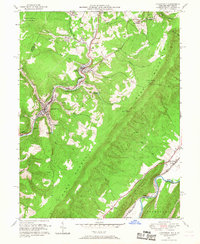 1950 Lonaconing1968 Print · USGSThe coal and rail corridors of Allegany County are shown here at mid-century, before modernization altered the industrial landscape. Researchers can trace the legacy of mining towns like Lonaconing, Midland, and Ocean, alongside the path of the Pennsylvania RR.3 unique versions available
 - 1950 Map of Westernport, 1970 Print
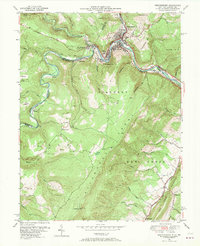 1950 Westernport1970 Print · USGSThe Potomac riverfront buzzed with rail and paper mill industry mid-century as the coal economy transformed the Alleghenies. Genealogists can trace family connections at rural sites like Bethel Ch, Sinkler Cem, and the small settlement at Barnum.3 unique versions available
 - 1951 Map of Cresaptown
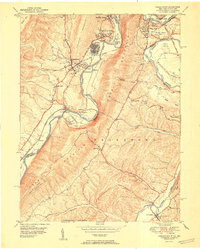 1951 Cresaptown1951 Print · USGSThe Potomac River borderlands and the ridges of the Appalachians are captured here in the early fifties during a period of heavy rail and industrial activity. Researchers can trace the Chesapeake and Ohio Canal, family burial sites like Frankfort Cem, and the layout of Fort Ashby.
 - 1951 Map of Cumberland
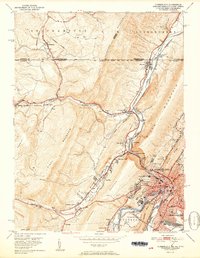 1951 Cumberland1951 Print · USGSThe industrial and rail hub of Cumberland is captured here at mid-century, where the Potomac River meets a complex web of mountain ridges and state lines. Genealogists and local historians can trace family roots through St Patricks Cem, the streets of Mount Savage, or the historic route of the National Pike.3 unique versions available
 - 1951 Map of Westernport
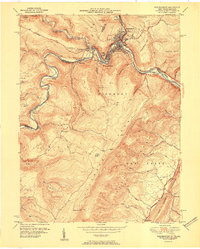 1951 Westernport1951 Print · USGSThe industrial Potomac valley comes to life in the early 1950s, showing the dense rail and river networks connecting Maryland and West Virginia. Genealogists and historians can trace families near Cross School, the Tichnell Cem, or the hilltop Pinnacle Lookout Tower.
 - 1951 Map of Paw Paw
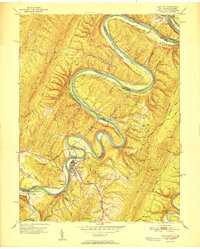 1951 Paw Paw1951 Print · USGSThe Potomac River's serpentine bends at the West Virginia-Maryland border define this mid-century landscape of heavy rail and mountain ridges. Genealogists and industrial historians can trace the Chesapeake and Ohio Canal and family sites like Cherry Orchard Cem or the Milo School.
 - 1951 Map of Mount Storm
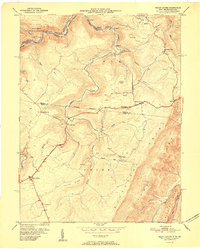 1951 Mount Storm1951 Print · USGSThe coal and rail corridor of the West Virginia mountains comes into focus during the early postwar years. Researchers can trace family sites like Schaeffer Cem, rural schools such as White Hall Sch, and early mining operations near Emoryville.
 - 1951 Map of Edinburg
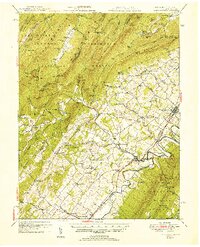 1951 Edinburg1951 Print · USGSShenandoah County is shown here at the start of the 1950s, where the river valley and rail lines shaped a landscape of small towns and industrial history. Genealogists and historians can trace family locations through numerous rural sites like Lantz Mills, Sugar Hill Cem, and Pleasant Grove Sch.
 - 1951 Map of Patterson Creek
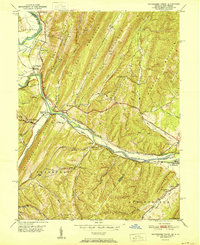 1951 Patterson Creek1951 Print · USGSMaryland and West Virginia meet along the Potomac River in the early fifties, where heavy rail and abandoned canal works define the valley. Trace family history and industrial roots near Pattersons Creek, St Marys Cem, and the old Chesapeake and Ohio Canal.2 unique versions available
 - 1951 Map of Lonaconing
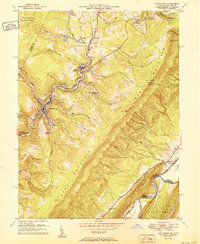 1951 Lonaconing1951 Print · USGSMaryland's coal country comes alive in the early 1950s, showing the dense network of mining towns and railroads carved into the Allegany County ridges. Researchers can trace historic industrial sites like Borden Shaft or locate ancestral burial grounds at Oak Hill Cem and St Marys Cem.2 unique versions available
 - 1951 Map of Oldtown
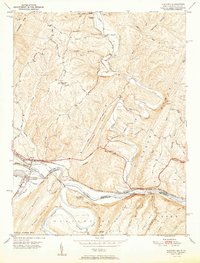 1951 Oldtown1951 Print · USGSThe Potomac River borderlands in the early fifties reveal a complex network of mountain ridges and historic transportation corridors. Researchers can trace the path of the Chesapeake and Ohio Canal alongside the river and locate old communities like Oldtown, Okonoko, and Green Spring.2 unique versions available
 - 1951 Map of Fort Seybert
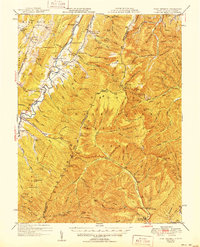 1951 Fort Seybert1951 Print · USGSThe South Fork Potomac River valley in the early 1950s reveals a landscape of isolated mountain hollows and tight-knit highland settlements. Genealogists can locate family landmarks such as Fort Seybert, New Bethlehem Ch, and the Cedar Grove Sch.2 unique versions available
 - 1951 Map of Keyser
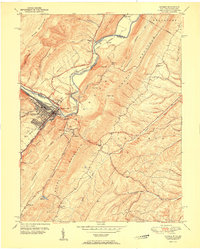 1951 Keyser1951 Print · USGSMineral County in the early fifties shows a bustling industrial and academic center where the Baltimore and Ohio railroad meets the river. Researchers can trace family burial grounds like Queens Point Cem and rural landmarks such as Willow Dale Chapel or Fountain Sch.
 - 1951 Map of Artemas
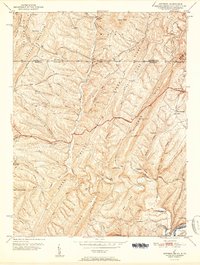 1951 Artemas1951 Print · USGSThe Western Maryland ridges and the Pennsylvania borderlands are shown here in the early fifties, following the heavy timber and rail eras. Genealogists can trace family landmarks along the Mason and Dixon Line and locate sites like St Patrick Ch and Piney Plains Sch.2 unique versions available
 - 1951 Map of Evitts Creek
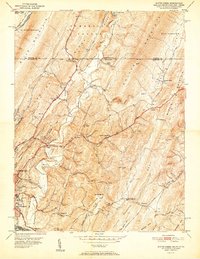 1951 Evitts Creek1951 Print · USGSMid-century Cumberland and the surrounding Allegany County ridges are captured here as they appeared just after the war. Researchers can locate family landmarks like Zion Ch, trace the old National Pike, or explore the rail yards of the Western Maryland Railway.2 unique versions available
 - 1951 Map of Canton
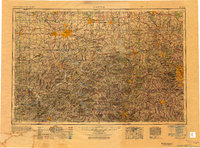 1951 Canton1951 Print · USGSThe industrial heartland of Ohio and Pennsylvania reached its mid-century peak during this era of heavy rail and river transit. Genealogists and historians can trace the development of steel towns like Aliquippa and Weirton alongside the Ohio River and major lines of the Pennsylvania RR.
 - 1951 Map of Bellegrove, 1952 Print
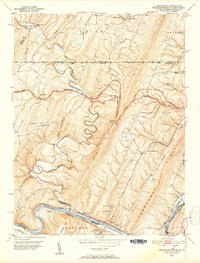 1951 Bellegrove1952 Print · USGSThe Maryland and Pennsylvania borderlands come alive in this mid-century survey of the ridges along the Potomac River. Genealogists and historians can trace family locations near Piney Plains Ch, the Woodmont Club, or the river landing at Pearre.7 unique versions available
Showing maps 1-25 of 164
Top cities of West Virginia
- Charleston historical maps
- Huntington historical maps
- Parkersburg historical maps
- Morgantown historical maps
- Wheeling historical maps
- Weirton historical maps
See more
Top counties of West Virginia
- Kanawha County historical maps
- Berkeley County historical maps
- Monongalia County historical maps
- Cabell County historical maps
- Wood County historical maps
- Raleigh County historical maps
See more
Frequently asked questions
- What are the different types of historical maps available for West Virginia?
- What is the oldest map of West Virginia?
- Where can I purchase historical maps of West Virginia for my home or office?
- Where can I download high-res historical maps of West Virginia?
- Are there historical topographic maps available for West Virginia?
- Is there historical aerial imagery available for West Virginia?
- Where are historical maps of West Virginia sourced from?