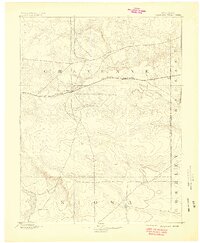
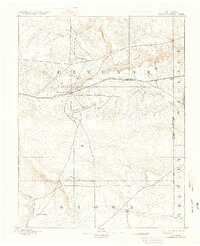
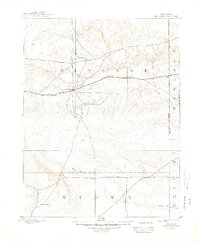
1894 Map of Cheyenne Wells
USGS Topo · Published 1894About this map
Cheyenne Wells and Arapahoe sit as vital outposts in the High Plains during the late nineteenth century, defined by the path of the Union Pacific Railroad. This survey, conducted just years after the frontier era, captures a landscape of intermittent watercourses like Ladder Creek and Smoky Creek that dictate the region's topography and settlement patterns. The map clearly delineates the Colorado Kansas Boundary Line, marking the transition from Cheyenne and Kiowa counties into Wallace and Greeley counties to the east. Further south, the remote Water Valley is noted near the headwaters of Big Sandy Creek, while the drainages of White Woman Creek stretch across the southern plains. The scarcity of named settlements highlights the importance of the rail line and these specific water sources for early cattle ranching and homesteading in this semi-arid environment.
Find a feature on this map
14 named features on this map. Tap any name to fly to it.
Don’t see what you’re looking for? This feature index may not catch every label — zoom into the map to look around manually.
Map Details
Editions of this 1894 Cheyenne Wells Map
6 editions found
Other maps of this area
1890 · Granada
USGS Topo · 1:125,000
1891 · Kit Carson
USGS Topo · 1:125,000
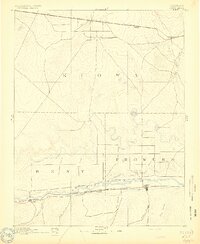
1892 · Lamar
USGS Topo · 1:125,000
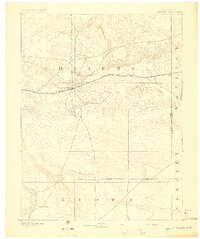
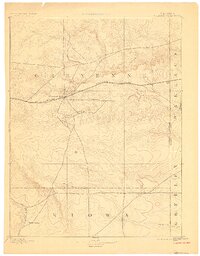
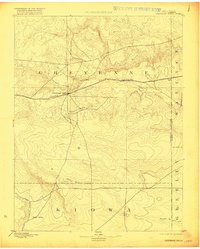
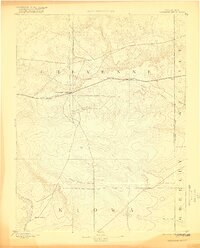
1892 · Cheyenne Wells
USGS Topo · 1:125,000
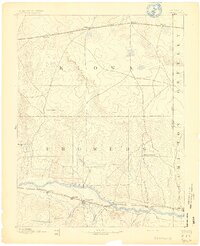
1892 · Granada
USGS Topo · 1:125,000
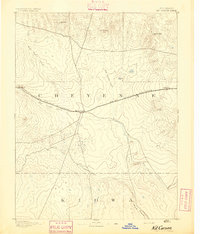
1893 · Kit Carson
USGS Topo · 1:125,000
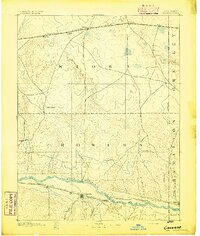
1894 · Granada
USGS Topo · 1:125,000
1954 · Limon
USGS Topo · 1:250,000
1954 · Lamar
USGS Topo · 1:250,000
1954 · Goodland
USGS Topo · 1:250,000