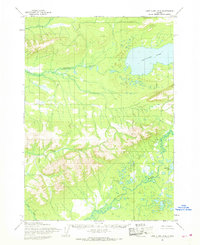
1954 Map of Lake Clark D-6
USGS Topo · Published 1968About this map
Whitefish Lake dominates the northeast corner of this 1950s landscape, serving as a primary hydrologic anchor for the surrounding marsh and tundra. The terrain is defined by the braided and meandering path of the Mulchatna River and the Hoholitna River, which reflect the complex drainage patterns of this interior region before modern development. In the southern portion of the sheet, the elevation rises toward local heights like Gnat and Ridge, where the land becomes more distinct from the low-lying wetlands. These geographic features, along with smaller bodies of water such as Half Cabin Lake and Gnat Creek, illustrate the seasonal waterflow that historically shaped travel and subsistence in this part of Alaska. The map reflects a period of surveying by the Army Map Service when vast tracts remained unsurveyed and unmarked on the ground, leaving names like Hoho and Chain as essential landmarks for navigation.
Find a feature on this map
10 named features on this map. Tap any name to fly to it.
Don’t see what you’re looking for? This feature index may not catch every label — zoom into the map to look around manually.
Map Details
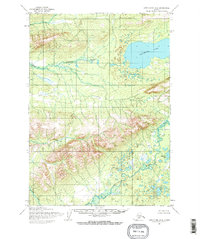
Editions of this 1954 Lake Clark D-6 Map
2 editions found
Other maps of this area
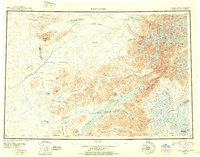
1946 · Lake Clark
USGS Topo · 1:250,000
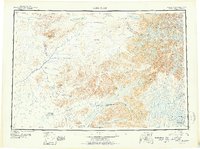
1951 · Lake Clark
USGS Topo · 1:250,000
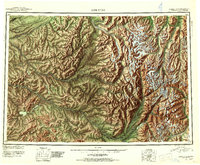
1951 · Lime Hills
USGS Topo · 1:250,000
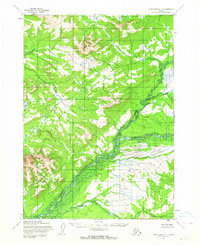
1954 · Lake Clark C-7
USGS Topo · 1:63,360
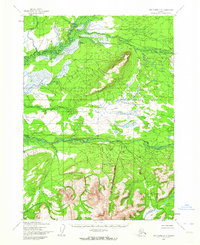
1954 · Lake Clark C-6
USGS Topo · 1:63,360
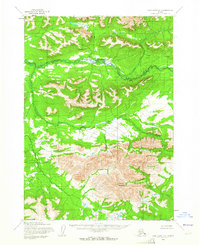
1954 · Lake Clark D-7
USGS Topo · 1:63,360
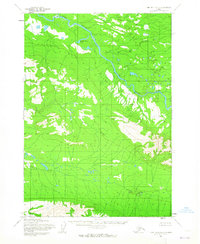
1954 · Lime Hills A-5
USGS Topo · 1:63,360
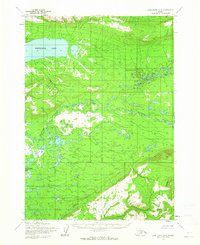
1954 · Lake Clark D-5
USGS Topo · 1:63,360
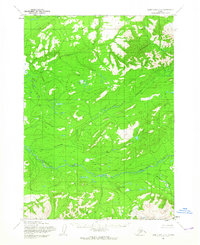
1954 · Lake Clark C-5
USGS Topo · 1:63,360
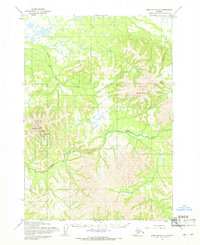
1954 · Lime Hills A-7
USGS Topo · 1:63,360