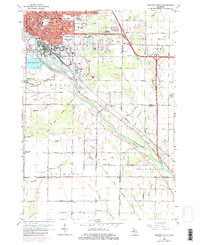
1962 Map of Midland South
USGS Topo · Published 1982About this map
The Tittabawassee River carves a diagonal path through this landscape, acting as a historical corridor for industry and transit south of Midland. By the early 1960s, the area shows a distinct transition from the dense urban grid and park systems of the city—including Currie Bennett Park and St Charles Park—to a rural interior defined by an extensive network of drainage channels like the Shafner and Major Drain and Lingle Drain.
Find a feature on this map
69 named features on this map. Tap any name to fly to it.
Don’t see what you’re looking for? This feature index may not catch every label — zoom into the map to look around manually.
Map Details
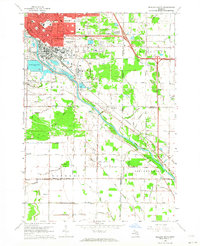
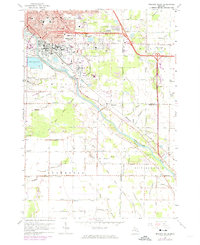
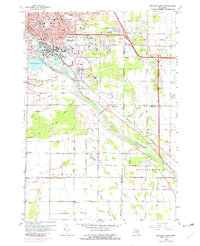
Editions of this 1962 Midland South Map
4 editions found
Other maps of this area
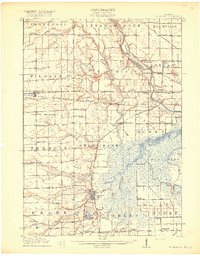
1917 · St. Charles
USGS Topo · 1:62,500
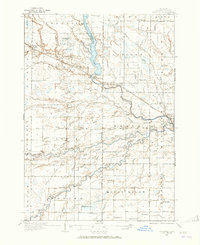
1934 · Sanford
USGS Topo · 1:62,500
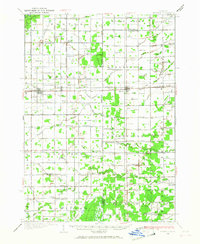
1934 · Merrill
USGS Topo · 1:62,500
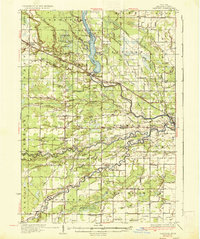
1936 · Sanford
USGS Topo · 1:62,500
1937 · Merrill
USGS Topo · 1:62,500
1943 · St. Charles
USGS Topo · 1:62,500
1954 · Midland
USGS Topo · 1:250,000
1958 · Midland
USGS Topo · 1:250,000
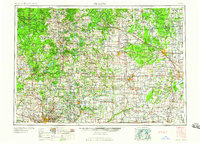
1959 · Midland
USGS Topo · 1:250,000
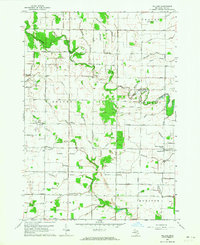
1962 · Willard
USGS Topo · 1:24,000