Old Maps of Odessa, Missouri for Academic Research
Study the evolution of Odessa with 26 high-resolution historic maps. Whether you're teaching, researching, or modeling changes in land use, these maps provide essential visual documentation of urban, environmental, and geographic change.
- Analyze long-term change: Track patterns in development, transportation, and natural features.
- Ideal for environmental or urban studies: Support academic projects with primary historical map data.
- Use in the classroom or lab: Educators and researchers rely on these maps to bring historical context to life.
These maps are a powerful tool for teaching, research, and visualizing how Odessa has changed over the decades.
Odessa, MO maps
(26)- 1885 Map of Warrensburg, 1954 Print
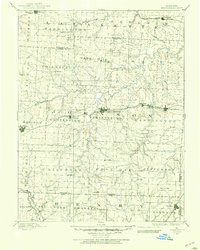 1885 Warrensburg1954 Print · USGSJohnson County and the surrounding Missouri prairie are captured here during the 1880s as the railroad era transformed the region. Researchers can trace the early footprints of settlements like Warrensburg, identify historic mines at Carbon Hill, and locate old landmarks like Iron Spring and Normal school.
 - 1887 Map of Warrensburg
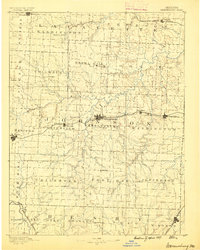 1887 Warrensburg1887 Print · USGSMissouri's central plains are captured here in the mid-1880s, documenting the vital rail corridor through Warrensburg and Knob Noster. Genealogists can trace early homesteads near Carbon Hill, Chilhowee, or the Iron Spring during a period of rapid agricultural growth.
 - 1889 Map of Lexington
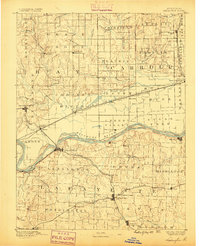 1889 Lexington1889 Print · USGSLafayette and Ray Counties are captured here during the late nineteenth-century rail boom. Researchers can trace the development of river towns and rail junctions like Lexington, Lexington Junction, and the riverside landing at Miles Point.6 unique versions available
 - 1894 Map of Warrensburg
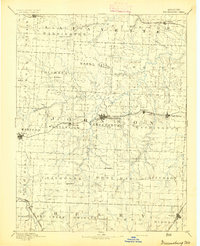 1894 Warrensburg1894 Print · USGSJohnson County was a burgeoning rail and coal hub in the 1890s, anchored by the growth of Warrensburg. Researchers can trace old family sites and transport routes through vanished mining points like Carbon Hill and rural stops such as Cornelia and Iron Spring.5 unique versions available
 - 1947 Map of Jefferson City, 1949 Print
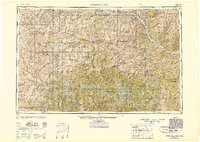 1947 Jefferson City1949 Print · USGSCentral Missouri and the northern Ozarks come into focus in this late 1940s survey of the river-and-rail landscape. Genealogists and historians can trace the growth of Jefferson City and Sedalia or locate family roots near Bagnell Dam and the Lake of the Ozarks.
 - 1949 Map of Odessa North, 1976 Print
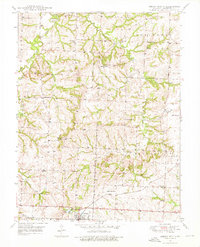 1949 Odessa North1976 Print · USGSLafayette County countryside is captured here in the late 1940s, just as the postwar era began to reshape rural Missouri. You can trace dozens of landmarks including the GULF MOBILE AND OHIO line, Greenton Ch, and old country schools like Cabbage Neck Sch.2 unique versions available
 - 1950 Map of Odessa North
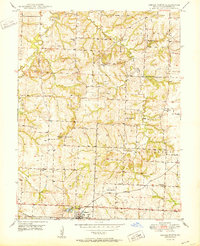 1950 Odessa North1950 Print · USGSLafayette County was a patchwork of small school districts and family farms at mid-century, centered around the town of Odessa. Genealogists and local historians can trace the locations of rural landmarks like Greenton Ch, Cabbage Neck Sch, and the Gulf Mobile and Ohio railroad.2 unique versions available
 - 1953 Map of Moberly
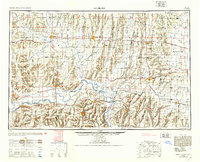 1953 Moberly1953 Print · USGSMid-century north-central Missouri is documented here as a bustling intersection of river commerce and heavy rail. Researchers can trace historic family-named landmarks and transport hubs from the Missouri River corridor to the rail yards of Moberly, Chillicothe, and Macon.
 - 1954 Map of Jefferson City
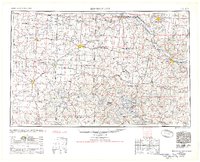 1954 Jefferson City1954 Print · USGSCentral Missouri in the early postwar years showcases a landscape defined by the winding Lake of the Ozarks and the state capital at Jefferson City. Researchers can trace the mid-century rail networks of the Missouri Pacific RR and locate rural communities like Tuscumbia, St Elizabeth, and St Anthony.2 unique versions available
 - 1954 Map of Moberly, 1969 Print
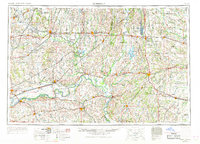 1954 Moberly1969 Print · USGSMid-century Missouri is captured here during a period of transition for its river towns and rail hubs. Genealogists and historians can trace the paths of the Wabash railroad through Moberly or explore the riverside layout of Lexington and Brunswick.3 unique versions available
 - 1955 Map of Jefferson City, 1967 Print
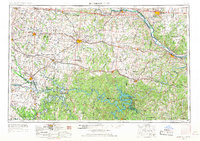 1955 Jefferson City1967 Print · USGSCentral Missouri in the mid-fifties is defined by the winding Missouri River and the expanding reach of Lake of the Ozarks. Researchers can trace the rail corridors of the Missouri Pacific or locate the early footprint of Whiteman AFB and Jefferson City.4 unique versions available
 - 1957 Map of Moberly
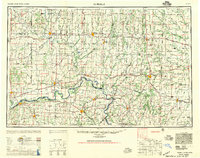 1957 Moberly1957 Print · USGSNorth-central Missouri in the late nineteen-forties and fifties remains a landscape defined by its great rivers and a dense network of steam and diesel rail lines. Genealogists and historians can trace the paths of the Wabash RR and Santa Fe RR through historic junctions like Moberly, Brookfield, and Macon.
 - 1958 Map of Jefferson City
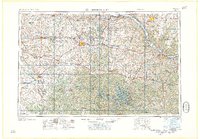 1958 Jefferson City1958 Print · USGSCentral Missouri in the late fifties shows a region transforming through the growth of Whiteman Air Force Base and the Lake of the Ozarks. Researchers can trace rail lines like the Missouri Pacific or find family roots at Enloe Cemetery and Mount Pleasant Cem.
 - 1959 Map of Jefferson City
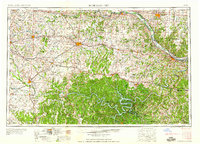 1959 Jefferson City1959 Print · USGSCentral Missouri is captured during the mid-fifties as the river economy and rail networks like the Missouri Pacific met the rise of the automobile. Local researchers can trace family landmarks and rural infrastructure from the Lake of the Ozarks up to Providence Cemetery and Knob Noster State Park.
 - 1960 Map of Moberly
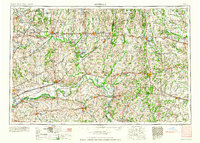 1960 Moberly1960 Print · USGSCentral Missouri comes alive in the mid-twentieth century as a bustling network of river towns and significant rail corridors. Genealogists and historians can trace the paths of the Wabash RR through Moberly or explore the riverfronts of Lexington and Brunswick.
 - 1963 Map of Odessa South, 1964 Print
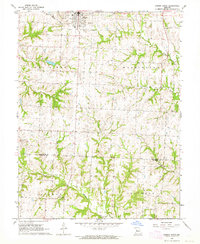 1963 Odessa South1964 Print · USGSLafayette County agriculture and small-town life are at the forefront of this early 1960s study centered on Odessa. Researchers can trace the legacy of local congregations at Mt Tabor Ch or follow the path of the Gulf Mobile and Ohio rail line.
 - 1982 Map of Marshall
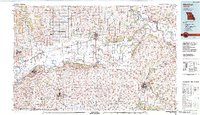 1982 Marshall1982 Print · USGSMid-Missouri river life and rail history meet in this early 1980s landscape, centered on the Missouri's winding course. Researchers can trace the historic Santa Fe Trail and explore sites like the Confederate Memorial State Park and Carrollton Mem Cemetery.
 - 1983 Map of Sedalia
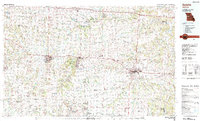 1983 Sedalia1983 Print · USGSWest Central Missouri's landscape in the early eighties shows a dense network of rail towns and riverside communities along the Blackwater River. Genealogists and historians can trace the development of Warrensburg and Sedalia near Whiteman Air Force Base and Knob Noster State Park.
 - 2011 Map of Odessa South, 2011 Print
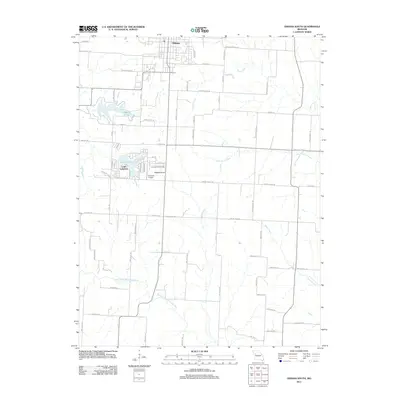 2011 Odessa South2011 Print · USGSLafayette County's agricultural landscape and small-town expansion are documented here during the early twenty-first century. Researchers can trace historic school routes and family landmarks like Wagon Knob, Odessa Lake, and the community at Lake Lafayette.
 - 2012 Map of Odessa North, 2012 Print
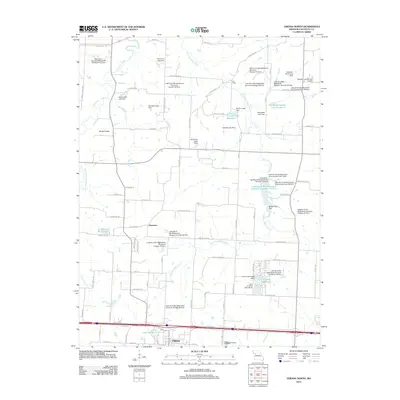 2012 Odessa North2012 Print · USGSIn the countryside north of Odessa during the early twenty-first century, a complex network of watershed dams and historic trails defines the land. Genealogists and local historians can locate the Odessa Cemetery, trace the Old Santa Fe Trl, or identify family-named landmarks like Bryant Knob.
 - 2014 Map of Odessa South, 2014 Print
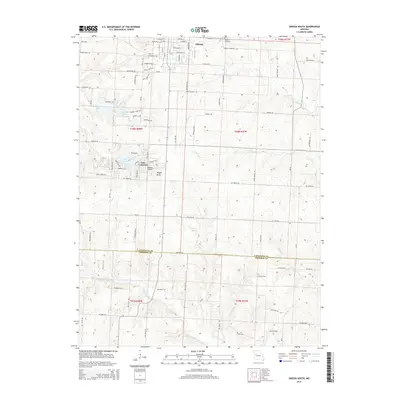 2014 Odessa South2014 Print · USGSOdessa and the surrounding farmsteads of Lafayette County are captured in this mid-2010s survey as the town expanded southward toward the Johnson County line. Local historians can trace family land near landmarks like Wagon Knob, the Odessa Cemetery, and the shores of Lake Lafayette.
 - 2015 Map of Odessa North, 2015 Print
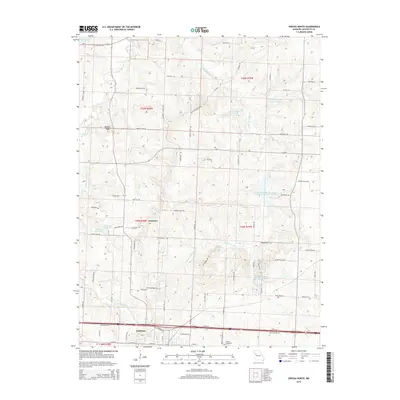 2015 Odessa North2015 Print · USGSOdessa and the Lafayette County countryside are shown here in the mid-2010s, where rural road networks meet historic transit corridors. Researchers can trace the Old Santa Fe Trl, locate Greenton, and explore the banks of Sni-A-Bar Creek.
 - 2017 Map of Odessa South, 2017 Print
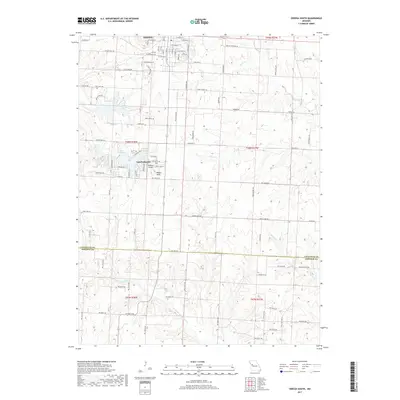 2017 Odessa South2017 Print · USGSOdessa and the Lafayette County countryside are captured here in the late twenty-tens, showing the transition from town streets to rural farmsteads. Researchers can trace the local landscape through features like Wagon Knob, Robbins Airport, and the residential growth surrounding Lake Lafayette.
 - 2017 Map of Odessa North, 2017 Print
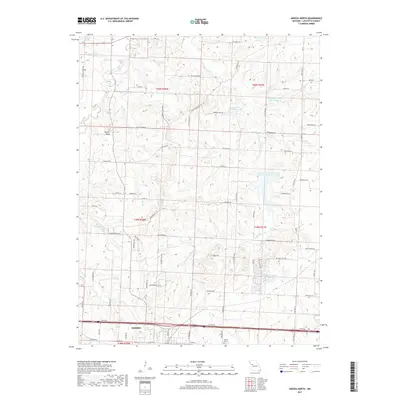 2017 Odessa North2017 Print · USGSLafayette County enters a new era of water management and rural development in this 2017 survey of the land north of Odessa. Researchers can trace local heritage through landmarks like the Odessa Cemetery and family-named routes such as Flournoy School Rd and Fallman Mine Rd.
 - 2021 Map of Odessa South, 2021 Print
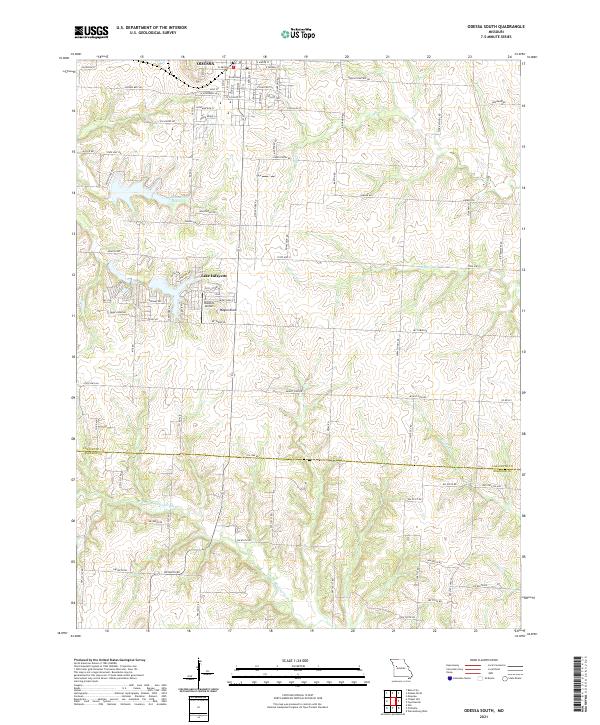 2021 Odessa South2021 Print · USGSLafayette County farmland meets the growing edges of the city in the early 2020s. Researchers can trace the layout of the Odessa Cemetery, identify local landmarks like Wagon Knob, and explore the residential development surrounding Lake Lafayette.
Showing maps 1-25 of 26
Top cities near Odessa
- Warrensburg historical maps
- Grain Valley historical maps
- Oak Grove historical maps
- Higginsville historical maps
- Lexington historical maps
- Buckner historical maps
See more
Frequently asked questions
- What are the different types of historical maps available for Odessa?
- What is the oldest map of Odessa?
- Where can I purchase historical maps of Odessa for my home or office?
- Where can I download high-res historical maps of Odessa?
- Are there historical topographic maps available for Odessa?
- Is there historical aerial imagery available for Odessa?
- Where are historical maps of Odessa sourced from?