Old Maps of Franklin County, Ohio for Metal Detecting
Plan your next treasure hunt with 150 historic maps of Franklin County. Find old homesites, ghost towns, trails, and gathering spots that may be lost to time — perfect for identifying promising metal detecting locations.
- Locate forgotten sites: Uncover places like long-lost settlements, abandoned rail lines, or gathering spots.
- Plan better hunts: Use map overlays combined with LiDAR or satellite views to narrow in on historically rich areas.
- Made for detectorists: Thousands of hobbyists use these maps to discover relics, coins, and hidden history.
Use these historic maps to boost your research and find new opportunities beneath the surface of Franklin County.
Franklin County, OH maps
(150)- 1901 Map of Dublin, 1955 Print
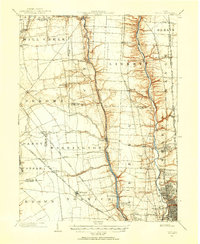 1901 Dublin1955 Print · USGSCentral Ohio at the turn of the century reveals a landscape of independent agricultural villages and busy rail corridors long before the suburban expansion. Trace early property and settlement patterns in Dublin, Worthington, and Hilliard, and locate vanished rail stops along the Pennsylvania System and the Columbus Delaware and Marion Electric Ry.
 - 1902 Map of Westerville, 1958 Print
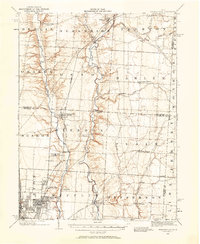 1902 Westerville1958 Print · USGSFranklin and Delaware counties at the turn of the century show a landscape transitioning from rural mill seats to rail-connected suburbs. Genealogists can trace family footprints through historic settlements like Westerville, Gahanna, and the trolley-linked Central College.
 - 1903 Map of Dublin, 1939 Print
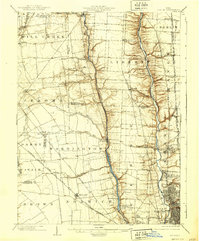 1903 Dublin1939 Print · USGSCentral Ohio at the turn of the century is captured here as a landscape of river valleys and emerging railroad towns. Genealogists can trace early homesteads and routes between established centers like Worthington and smaller rural stops such as Amlin and Powell.2 unique versions available
 - 1904 Map of Westerville, 1941 Print
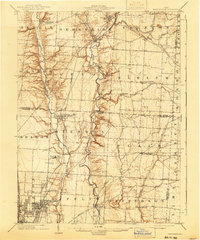 1904 Westerville1941 Print · USGSCentral Ohio at the turn of the century shows a landscape transitioning from rural crossroads to early suburban rail hubs. Genealogists and local historians can trace the paths of the Columbus and Newark Electric R.R. and locate vanished local points like Africa, Central College, and Unhook.2 unique versions available
 - 1907 Map of London, 1940 Print
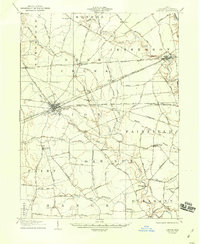 1907 London1940 Print · USGSMadison County at the turn of the century shows a landscape transitioning through the height of the electric railway era. Genealogists can trace the rural schoolhouses like Dunn School and Glade School or locate family sites near Lilly Chapel and Lafayette.2 unique versions available
 - 1916 Map of Milford Center, 1948 Print
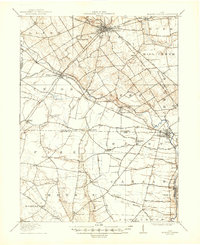 1916 Milford Center1948 Print · USGSThe rural expanse of central Ohio is captured here in the mid-nineteen-tens, centered on the rail junctions of Marysville and Milford Center. Genealogists and local historians can trace family roots through numerous country schools like Minoque School and the Industrial Home for Women.
 - 1923 Map of West Columbus, 1955 Print
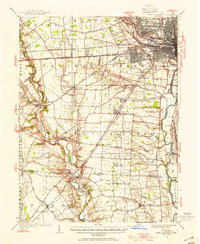 1923 West Columbus1955 Print · USGSFranklin County in the early twenties shows the growing western edge of Columbus and its surrounding rural townships. Genealogists and historians can trace the paths of the National Road and find landmarks like Camp Chase, Urbancrest, and Pisgah School.
 - 1925 Map of East Columbus, 1940 Print
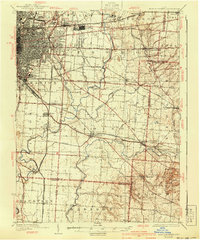 1925 East Columbus1940 Print · USGSGreater Columbus and its eastern suburbs were rapidly expanding in the 1920s as industry and transit lines bridged the gap between city and farm. Genealogists and historians can trace the paths of the ABANDONED CANAL, the legacy of NORTON FIELD, and old village centers like Canal Winchester and Lithopolis.3 unique versions available
 - 1925 Map of West Columbus, 1946 Print
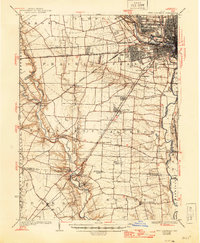 1925 West Columbus1946 Print · USGSFranklin and Pickaway counties are shown here in the mid-twenties, when the growing state capital met a landscape of electric railways and rural schoolhouses. Researchers can trace the National Road and locate sites like the Pisgah School, Mt Calvary Cemetery, and the State Hospital.
 - 1943 Map of East Columbus
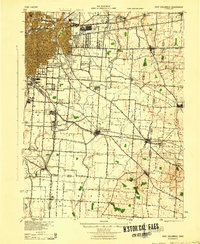 1943 East Columbus1943 Print · USGSEastern Columbus and the Refugee Tract are captured here during the mobilization of the early 1940s. Genealogists and historians can trace the foundations of modern aviation at Port Columbus or find vanished landmarks like the Childrens Home and Norton Field.
 - 1944 Map of Milford Center
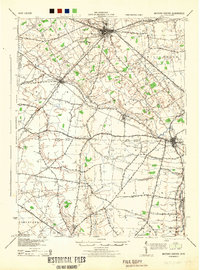 1944 Milford Center1944 Print · USGSCentral Ohio during the war years shows a landscape of busy rail junctions and fertile creek valleys. Genealogists and local historians can locate old rural schoolhouses like Lombard Sch and trace the paths of the Pennsylvania railroad through Milford Center.
 - 1947 Map of Columbus, 1948 Print
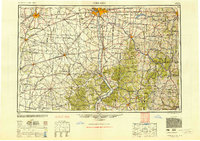 1947 Columbus1948 Print · USGSCentral Ohio in the late 1940s is captured in this survey, showing the post-war transition of its rail hubs and military airfield expansions. Genealogists and historians can trace the paths of the Ohio Canal, the Pennsylvania RR lines, and the Camp Sherman Military Reservation.
 - 1950 Map of Marion
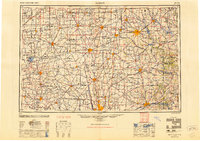 1950 Marion1950 Print · USGSCentral Ohio was a powerhouse of rail and river industry at the mid-century point, serving as a vital corridor between the Great Lakes and the Ohio River valley. Genealogists and rail historians can trace the paths of the Erie RR and Nickel Plate Road through towns like Bucyrus, Galion, and Upper Sandusky.
 - 1954 Map of Shawnee Hills, 1956 Print
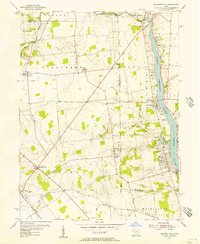 1954 Shawnee Hills1956 Print · USGSUnion and Delaware counties are captured in the mid-fifties, just as the area around the O'Shaughnessy Reservoir was becoming a focal point of the region. Researchers can trace ancestral sites including the Girls Industrial Sch, Oller Cem, and the small settlement of Bellepoint.
 - 1954 Map of Northeast Columbus, 1956 Print
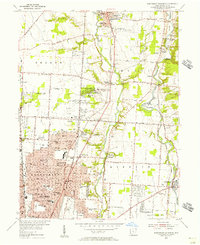 1954 Northeast Columbus1956 Print · USGSNortheast Columbus and its northern suburbs are captured in the mid-fifties as rural areas transitioned into postwar residential developments. Genealogists can locate family landmarks such as Otterbein Cem, the State Home for the Aged, and early schools like McKinley High Sch.
 - 1954 Map of Hilliard, 1956 Print
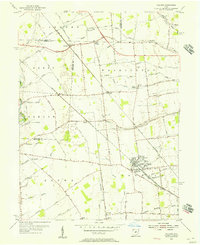 1954 Hilliard1956 Print · USGSCentral Ohio farm country and railway junctions are captured here in the mid-fifties, centered on the growing village of Hilliard. Genealogists can locate old rural landmarks like Mudsock, St John Ch, and the Hilliard Cemetery as they appeared before suburbanization.
 - 1955 Map of Lockbourne, 1956 Print
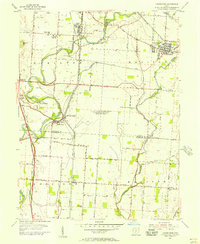 1955 Lockbourne1956 Print · USGSSouth of Columbus in the mid-fifties, the landscape is defined by the massive Lockbourne Air Force Base. Genealogists can trace family names at Watkins Cem or locate the Scioto Valley Grange and Township High Sch.
 - 1955 Map of Sunbury, 1956 Print
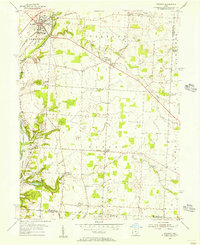 1955 Sunbury1956 Print · USGSMid-century Delaware County comes into focus as Sunbury and Galena maintain their historic rail connections along the PENNSYLVANIA line. Researchers can trace rural lineages through numerous local sites like Fancher Cem, New Bethel Ch, and the emerging Hoover Reservoir.2 unique versions available
 - 1955 Map of New Albany, 1956 Print
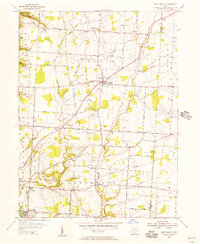 1955 New Albany1956 Print · USGSNortheast Franklin County comes into focus in the mid-1950s as a collection of rural hamlets and emerging reservoir lands. Genealogists can trace family roots through sites like Jersey Chapel, Ayers Cem, and the old Township Sch.
 - 1955 Map of Harrisburg, 1956 Print
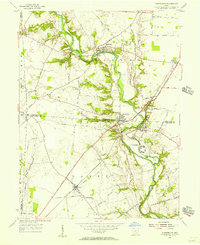 1955 Harrisburg1956 Print · USGSThe rural borderlands of Franklin, Pickaway, and Madison counties come to life in the mid-fifties as the Baltimore and Ohio Railroad connects the towns of Orient and Derby. Researchers can trace the grounds of the Orient State Institute or locate family plots at Little Pennsylvania Cem and McKinley Cem.
 - 1955 Map of Commercial Point, 1956 Print
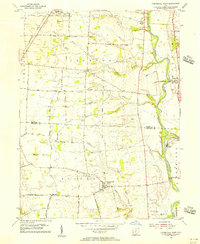 1955 Commercial Point1956 Print · USGSPickaway and Franklin counties appear here in the mid-fifties, dominated by the Scioto River valley and a traditional agricultural landscape. Researchers can trace historic family properties like the James Borror Farm or locate rural burial sites such as Beckett Cem and Seeds Cem.
 - 1955 Map of Northwest Columbus, 1956 Print
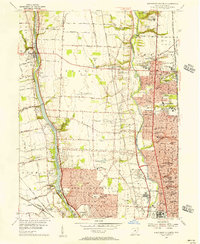 1955 Northwest Columbus1956 Print · USGSMid-century Columbus and its northern reaches reveal a landscape of rapid suburban growth and established institutions. Researchers can trace the development of Upper Arlington and Worthington alongside landmarks like Don Scott Field and the Griggs Reservoir.2 unique versions available
 - 1955 Map of Galena, 1956 Print
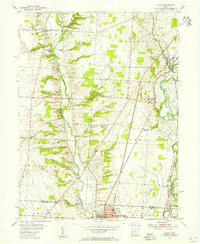 1955 Galena1956 Print · USGSDelaware County and northern Westerville are captured in the mid-1950s as the filling of the Hoover Reservoir reshapes the landscape. Local historians can trace the foundations of Otterbein College or locate vanished points like Africa and the Peachblow Cem.
 - 1955 Map of Galloway, 1956 Print
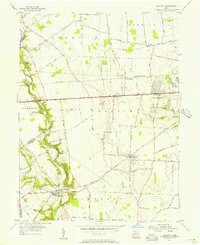 1955 Galloway1956 Print · USGSThe rural fringes of western Columbus during the mid-fifties reveal a landscape of creek-side camps and rail-stop villages. Genealogists can trace family names through sites like Oak Grove Cem and Gundy Cem, or locate the historic Alton Station along the Pennsylvania Railroad.
 - 1955 Map of Powell, 1956 Print
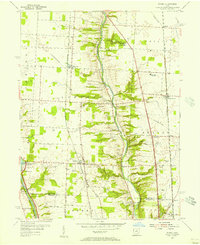 1955 Powell1956 Print · USGSCentral Ohio's river valleys and rail corridors are captured here in the mid-fifties as rural townships began to modernize. Researchers can locate family cemeteries like Blinn Cem, trace the original rail stops at Hyattville and Lewis Center, or find landmarks like the Leatherlips Monument.2 unique versions available
Showing maps 1-25 of 150
Top cities of Franklin County
- Columbus historical maps
- Upper Arlington historical maps
- Whitehall historical maps
- Bexley historical maps
- Grandview Heights historical maps
- Obetz historical maps
See more
Frequently asked questions
- What are the different types of historical maps available for Franklin County?
- What is the oldest map of Franklin County?
- Where can I purchase historical maps of Franklin County for my home or office?
- Where can I download high-res historical maps of Franklin County?
- Are there historical topographic maps available for Franklin County?
- Is there historical aerial imagery available for Franklin County?
- Where are historical maps of Franklin County sourced from?