1900s (20th Century) Maps of Howard County, Texas
Explore 37 historic maps of Howard County from the 1900s (20th Century). These maps offer a rare glimpse into what life looked like during the 1900s — showing old roads, neighborhoods, homes, and landmarks that have changed or disappeared over time.
Whether you're researching your family's past, planning a metal detecting trip, or studying how Howard County's landscape evolved across the 1900s, these high-resolution maps are a powerful tool for exploring the history of this region.
- Focus on a specific era: All maps on this page are from the 1900s, giving you a focused view of this time period.
- See what’s changed: Compare century-old streets, trails, and buildings to today's modern landscape using overlays and satellite layers.
- Research with precision: Use these maps for genealogy, historical research, land use analysis, or educational projects.
- View, download, or print: Maps are fully viewable online in high resolution, and can be downloaded or printed for your own records.
Start exploring Howard County's history through authentic maps from the 1900s. This is your window into the past.
Howard County, TX maps
(37)- 1941 Map of Morita
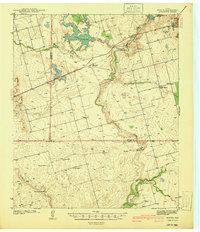 1941 Morita1941 Print · USGSRanching life and rail transport define this Howard County landscape just before the war. Trace early schools and family holdings like Sandwell Sch, Morita, and Quinn Ranch along the route of the Texas and Pacific railroad.
 - 1941 Map of Big Spring South, 1949 Print
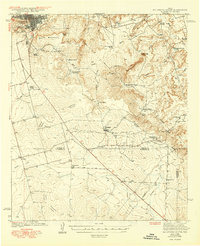 1941 Big Spring South1949 Print · USGSHoward County ranching and early oil development are captured here in the late thirties. Genealogists can trace family holdings like W T Roberts Ranch and find rural landmarks such as Chalk Sch or the remote Hollis siding.2 unique versions available
 - 1942 Map of Big Spring South
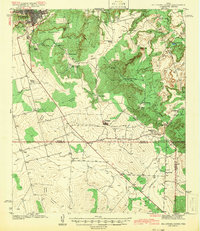 1942 Big Spring South1942 Print · USGSThe West Texas ranchlands south of Big Spring come alive in this late Depression-era survey. Genealogists and historians can locate family landmarks like the Wasson Ranch, Panther Draw Sch, and the early oil-era settlement of Forsan.
 - 1942 Map of Big Spring North
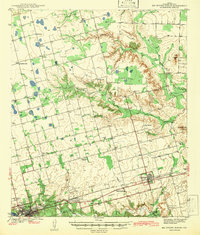 1942 Big Spring North1942 Print · USGSHoward County, Texas, was a bustling hub of rail and petroleum activity in the early 1940s. Genealogists and historians can trace old school districts and rural landmarks like Planters Gin, Lauderdale Store, and the Morris Sch across the West Texas plains.
 - 1949 Map of Morita
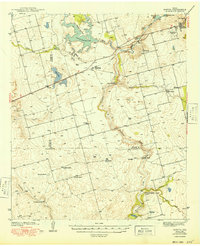 1949 Morita1949 Print · USGSHoward and Martin Counties in the late 1930s show a landscape of sprawling family ranches and essential rail stops. Genealogists can locate named homesteads like McDowell Ranch and Cross Ranch, or trace the rural students of Sandwell Sch.
 - 1951 Map of Ira SW
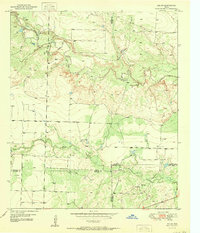 1951 Ira SW1951 Print · USGSTexas ranching and early petroleum development meet in the early 1950s where four counties converge. Trace the landscape of the Conrad Ranch, find the Colorado River, and locate industrial markers like the Oil Well and Oil Tanks.2 unique versions available
 - 1951 Map of Vincent, 1953 Print
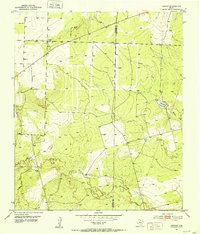 1951 Vincent1953 Print · USGSThe ranching and oil country of Howard and Mitchell Counties is captured here in the early fifties. Genealogists and local historians can locate Vincent and the Vincent Cem, or trace the path of Morgan Creek past various windmills and early oil wells.2 unique versions available
 - 1951 Map of Iatan, 1979 Print
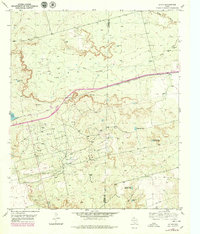 1951 Iatan1979 Print · USGSMid-century Howard County shows a landscape defined by the arrival of the railroad and the growth of the oil industry. Genealogists and historians can trace the Iatan Cem, the settlement of Iatan, and industrial features like the Tank Farm and Rattlesnake Gap.
 - 1952 Map of Iatan
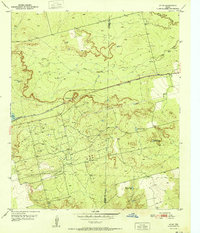 1952 Iatan1952 Print · USGSHoward County's petroleum and ranching landscape is captured here in the early fifties, as the oil industry expanded across the West Texas plains. Researchers can trace the mid-century infrastructure of the East Field, the Iatan Cem, and the path of the Texas and Pacific railroad.
 - 1954 Map of Big Spring, 1965 Print
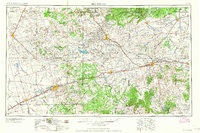 1954 Big Spring1965 Print · USGSWest Texas in the mid-1950s shows a landscape of growing oil towns and vital rail links along the Texas and Pacific RR. Researchers can trace the development of Big Spring, find smaller settlements like Knott and Lomax, or locate landmarks such as Boyds Chapel and Signal Mountain.4 unique versions available
 - 1954 Map of Big Spring North, 1976 Print
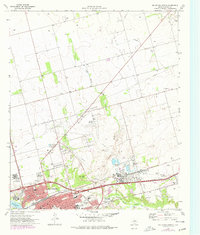 1954 Big Spring North1976 Print · USGSBig Spring and the surrounding Howard County plains are captured here in the 1970s as the local oil and transport economy flourished. Genealogists and historians can trace the Missouri Pacific rail corridor past Mount Olive Cemetery and the Refinery.
 - 1954 Map of Big Spring North NE, 1984 Print
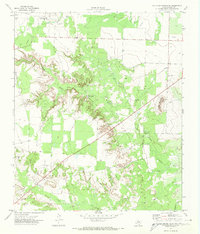 1954 Big Spring North NE1984 Print · USGSThe West Texas petroleum landscape of the early seventies is meticulously documented here, showing the infrastructure of the East Vealmoor Oil Field. Researchers can trace industrial landmarks like the Refinery and Morgan Creek Pumping Sta.
 - 1958 Map of Big Spring
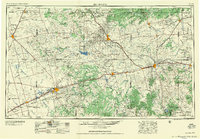 1958 Big Spring1958 Print · USGSThe West Texas oil boom was in full swing during the late fifties, transforming the landscape around Howard and Mitchell counties. Genealogists and historians can trace the growth of Big Spring and Snyder alongside industrial landmarks like the Kelly-Snyder Oil Field and the Santa Fe rail lines.
 - 1963 Map of Hayrick Mountain, 1964 Print
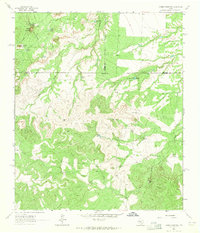 1963 Hayrick Mountain1964 Print · USGSWest Texas ranching and energy interests intersect at the turn of the sixties where Howard, Mitchell, and Sterling Counties meet. Trace the lineage of local landmarks like Dipping Vat Tank, Rockwater Hole, and Patsy Windmill.
 - 1963 Map of Hyman, 1965 Print
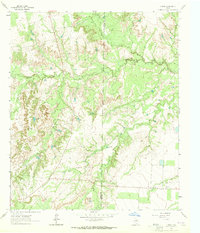 1963 Hyman1965 Print · USGSThe West Texas ranchlands and oil patches are captured here in the early 1960s as petroleum development expanded across the county line. Researchers can trace the infrastructure of the Hyman South Oil Field and locate family-named landmarks like Arrington Tank and Hamrick Tank.
 - 1965 Map of Big Spring North
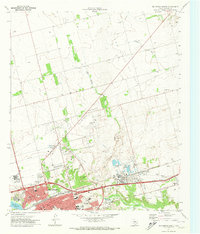 1965 Big Spring North1965 Print · USGSThe industrial and institutional landscape of Howard County comes into focus in the early seventies. Trace the Big Spring Oil Field and rail history near Big Spring through landmarks like the Refinery and Mount Olive Cemetery.
 - 1966 Map of Knott, 1968 Print
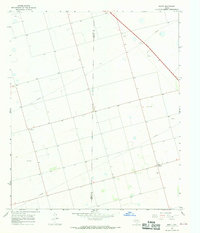 1966 Knott1968 Print · USGSHoward and Martin Counties in the mid-1960s were defined by a sprawling energy landscape and isolated ranching outposts. Trace the early development of the Knott area through its network of Oil Wells, pipelines, and local landmarks like the Gravel Pit.2 unique versions available
 - 1966 Map of Lucian Wells Ranch, 1968 Print
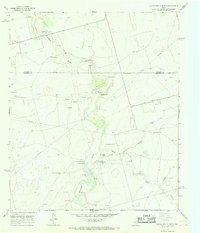 1966 Lucian Wells Ranch1968 Print · USGSRanching and early oil production define this West Texas landscape during the mid-1960s. Genealogists and historians can trace family holdings at Lucian Wells Ranch, follow Mustang Draw, and locate the curious School Bus Windmill.
 - 1966 Map of Natural Dam Lake, 1968 Print
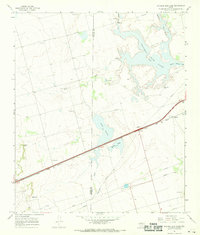 1966 Natural Dam Lake1968 Print · USGSHoward and Martin Counties in the mid-1960s are defined by the intersection of industrial development and salt basin hydrology. Researchers can trace the Texas and Pacific rail line through Morita and locate numerous wells and Gravel Pits.2 unique versions available
 - 1966 Map of Knott SE, 1968 Print
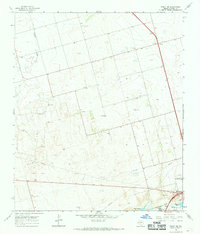 1966 Knott SE1968 Print · USGSNorthwest Howard County in the mid-1960s is a landscape of military aviation, energy production, and state institutions. Genealogists and historians can trace the development of Webb Air Force Base alongside the community at Fairview and the Prairie View Ch.2 unique versions available
 - 1966 Map of Elbow, 1968 Print
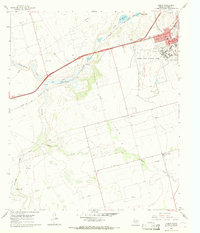 1966 Elbow1968 Print · USGSThe West Texas landscape of Howard County comes alive in the 1960s, centering on the massive operations at Webb Air Force Base. Researchers can trace the military housing at Webb Village, the rural school at Forsan Jr. High Sch, and local entertainment at the Drive-in Theater.
 - 1966 Map of Houston Ranch, 1968 Print
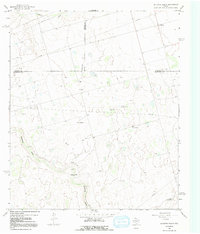 1966 Houston Ranch1968 Print · USGSThe West Texas plains at the meeting of Glasscock, Howard, and Martin counties are captured here in the mid-sixties. Researchers can trace ranching and oil history through the Old Houston Place, the Lomax settlement, and the landmark Hog Mountain.2 unique versions available
 - 1966 Map of Knott SW, 1969 Print
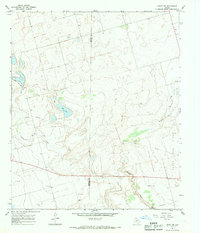 1966 Knott SW1969 Print · USGSThe West Texas oil fields and rural schools of the Permian Basin come into focus during the mid-sixties. Researchers can trace the development of the Varel Field and locate community landmarks like Hartwell School and Lakeview Ch.2 unique versions available
 - 1966 Map of Knott NE, 1969 Print
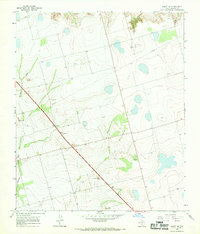 1966 Knott NE1969 Print · USGSHoward County, Texas, was a landscape of rising energy production and seasonal draws during the mid-1960s. Researchers can trace the footprint of the local extraction economy through the Oil Field, early Oil Wells, and small outposts like Abrams and Petty.
 - 1970 Map of Vealmoor, 1973 Print
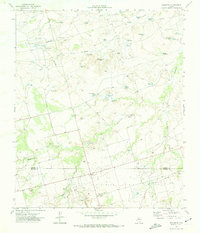 1970 Vealmoor1973 Print · USGSVealmoor sat at the heart of the Permian Basin's oil country in the 1970s, where Borden and Howard counties meet. Genealogists and researchers can trace local family landmarks and industrial sites from Vealmoor Cem to the sprawling Jo Mill Oil Field and the distinctive Outlaw Road.
Showing maps 1-25 of 37
Top cities of Howard County
Frequently asked questions
- What are the different types of historical maps available for Howard County?
- What is the oldest map of Howard County?
- Where can I purchase historical maps of Howard County for my home or office?
- Where can I download high-res historical maps of Howard County?
- Are there historical topographic maps available for Howard County?
- Is there historical aerial imagery available for Howard County?
- Where are historical maps of Howard County sourced from?