1960s Maps of Matanuska-Susitna, Alaska
Explore 23 historic maps of Matanuska-Susitna from the 1960s. These maps offer a rare glimpse into what life looked like during the 1960s — showing old roads, neighborhoods, homes, and landmarks that have changed or disappeared over time.
Whether you're researching your family's past, planning a metal detecting trip, or studying how Matanuska-Susitna's landscape evolved across the 1960s, these high-resolution maps are a powerful tool for exploring the history of this region.
- Focus on a specific era: All maps on this page are from the 1960s, giving you a focused view of this time period.
- See what’s changed: Compare century-old streets, trails, and buildings to today's modern landscape using overlays and satellite layers.
- Research with precision: Use these maps for genealogy, historical research, land use analysis, or educational projects.
- View, download, or print: Maps are fully viewable online in high resolution, and can be downloaded or printed for your own records.
Start exploring Matanuska-Susitna's history through authentic maps from the 1960s. This is your window into the past.
Matanuska-Susitna, AK maps
(23)- 1960 Map of Anchorage B-7, 1961 Print
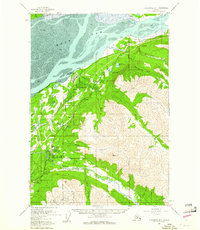 1960 Anchorage B-71961 Print · USGSThe growing communities north of Anchorage are captured here as they expanded during the mid-century. Genealogists and historians can trace the early infrastructure of Chugiak and Eagle River, or locate landmarks like Birchwood Auxiliary Airfield and Camp Gorsuch.4 unique versions available
 - 1960 Map of Anchorage B-6, 1961 Print
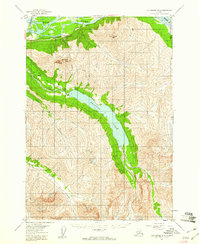 1960 Anchorage B-61961 Print · USGSAlaska's Chugach mountain valleys come into focus in the early sixties as hydroelectric and transport infrastructure began to shape the region. Trace the historic route of the Alaska Railroad past the Eklutna Powerhouse and up to Eklutna Lake.5 unique versions available
 - 1960 Map of Anchorage C-2, 1964 Print
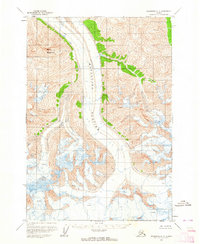 1960 Anchorage C-21964 Print · USGSThe high peaks and ice fields of the Chugach Mountains are captured in the early sixties, showing the vast reach of the Matanuska Glacier. Local historians and glaciologists can study the ice formations near Mount Wickersham and trace the complex network of crevasses across the valley floor.3 unique versions available
 - 1960 Map of Anchorage C-5, 1964 Print
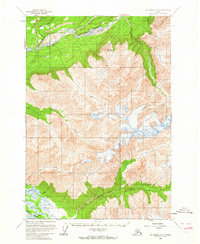 1960 Anchorage C-51964 Print · USGSThe Matanuska-Susitna region in the early sixties is shown here as a landscape of mountain peaks and river valleys during a time of early road development. Researchers can trace the path of the Glenn Highway and the Chickaloon Trail near Pinnacle Mountain.3 unique versions available
 - 1960 Map of Anchorage B-5, 1964 Print
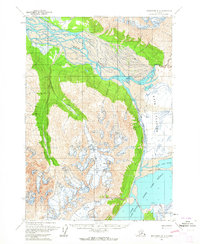 1960 Anchorage B-51964 Print · USGSThe Chugach Mountains and Knik River valley appear in high detail during the early sixties, showing a landscape of advancing ice and rising lakes. Researchers can trace glacial extents and hydrology through Mt Palmer, Knik Glacier, and Inner Lake George.3 unique versions available
 - 1960 Map of Anchorage B-4, 1965 Print
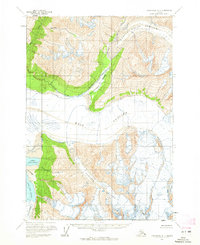 1960 Anchorage B-41965 Print · USGSThe Knik River valley in the early 1960s was a remote expanse of active ice fields and mountain drainage. Researchers can trace the massive footprints of the Knik Glacier and Gannett Glacier or locate the isolated Landing Strip in Grasshopper Valley.3 unique versions available
 - 1960 Map of Anchorage B-1, 1965 Print
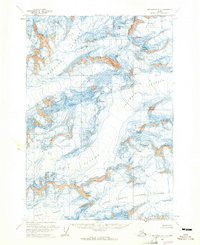 1960 Anchorage B-11965 Print · USGSThe Chugach Mountains in the early 1960s reveal a landscape of immense ice fields and unnamed wilderness. Researchers can trace the massive flows of the Harvard Glacier and Yale Glacier or locate remote peaks like Mount Einstein and Mount Valhalla.2 unique versions available
 - 1960 Map of Anchorage C-3, 1965 Print
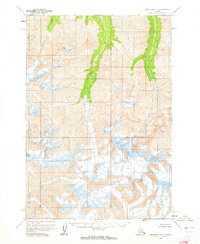 1960 Anchorage C-31965 Print · USGSThe high alpine terrain of the Matanuska-Susitna region is captured here at the dawn of the 1960s, showing a wilderness without established roads or trails. Researchers can trace the movement of ice and water through Glacier Creek and the extensive fields of Crevasses that mark the southern peaks.2 unique versions available
 - 1960 Map of Anchorage B-3, 1965 Print
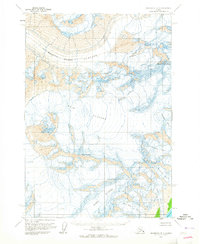 1960 Anchorage B-31965 Print · USGSThe high peaks and massive ice fields of the Chugach Mountains appear here as they were mapped in the early sixties. Glacial researchers and mountain historians can trace the flow of the Knik Glacier or locate landmarks like Mount Marcus Baker and Mount Goode.3 unique versions available
 - 1960 Map of Anchorage B-2, 1965 Print
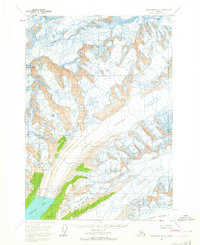 1960 Anchorage B-21965 Print · USGSThe Chugach Mountains in the early sixties remain a world of ice and rock, centered on the massive Harvard Glacier. Researchers can trace the mid-century terminus of ice flows like Yale Glacier and the slopes of Mount Marcus Baker.2 unique versions available
 - 1960 Map of Valdez B-8, 1965 Print
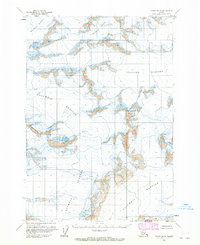 1960 Valdez B-81965 Print · USGSThe high Chugach peaks and massive ice fields of the early 1960s are documented in this detailed topographic study. Researchers can trace the massive flows of the Tazlina Glacier and Columbia Glacier, including hazardous crevasses and the Nelchina Glacier.2 unique versions available
 - 1960 Map of Valdez C-8, 1965 Print
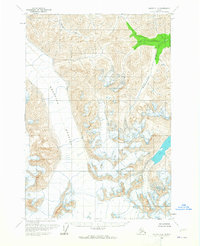 1960 Valdez C-81965 Print · USGSNelchina Glacier and the surrounding high country are captured here in the early 1960s, showing the ice and peaks of the Copper River Meridian. Geologists and researchers can trace the movement of Nelchina Glacier and the drainages of Klanelneechena Creek.3 unique versions available
 - 1960 Map of Anchorage C-4, 1965 Print
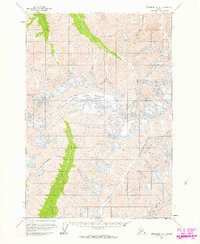 1960 Anchorage C-41965 Print · USGSIn the Chugach Mountains during the early statehood era, this survey captures a remote landscape of massive ice fields and unbridged drainages. Researchers can trace the mid-century extent of the Metal Creek Glacier and the headwaters of Coal Creek and Friday Creek.3 unique versions available
 - 1960 Map of Anchorage C-1, 1966 Print
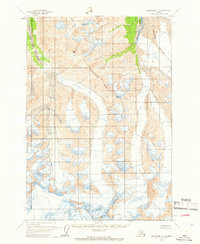 1960 Anchorage C-11966 Print · USGSThe Matanuska-Susitna region in the early sixties was a frontier of ice and rock, largely untouched by permanent settlement. Trace the vast Nelchina Glacier and the remote course of the South Fork Matanuska River through unsurveyed terrain.3 unique versions available
 - 1960 Map of Valdez, 1967 Print
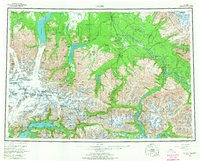 1960 Valdez1967 Print · USGSCoastal and interior Alaska meet in this mid-century study of the Chugach Mountains and the copper-rich river valleys. Trace the legacy of early industry along the Copper River and Northwestern Railroad and locate settlements like Copper Center, Chitina, and Fort Liscum.6 unique versions available
 - 1962 Map of Healy A-2, 1963 Print
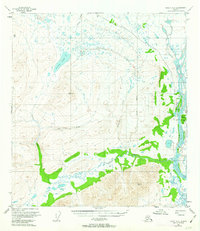 1962 Healy A-21963 Print · USGSThe Matanuska-Susitna wilderness was a vast expanse of unmapped territory in the mid-twentieth century, dominated by glacial rivers and high-elevation lakes. Researchers can trace the drainage of Butte Lake and identify old survey markers like Vabm Long or the riverside Gaging Sta.
 - 1962 Map of Anchorage, 1966 Print
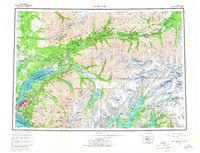 1962 Anchorage1966 Print · USGSThe Anchorage bowl and Matanuska Valley appear in this mid-century survey during a period of significant military and industrial expansion. Researchers can trace the Alaska Railroad through Sutton and Jonesville or locate historic stops like Meekins Roadhouse and the Watertower Inn.6 unique versions available
 - 1965 Map of Tyonek
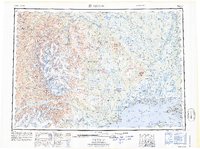 1965 Tyonek1965 Print · USGSUpper Cook Inlet in the mid-sixties reveals a landscape defined by massive glaciers and the early footprints of coastal settlements. Trace the rail-and-river network from The Alaska Railroad to isolated outposts like Old Tyonek, Ladd, and the Moquawkie (Tyonek) Indian Reservation.
 - 1965 Map of Anchorage B-8
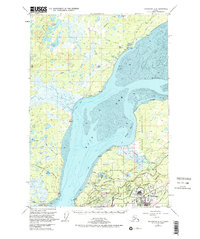 1965 Anchorage B-81965 Print · USGSThe northern reaches of Cook Inlet are shown in the mid-twentieth century as military installations and rail lines expanded across the glacial moraine. Modern researchers can trace the historic Iditarod Trail, the settlement of Knik, and the early infrastructure of Elmendorf Air Force Base.
 - 1965 Map of Talkeetna
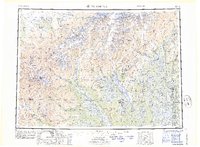 1965 Talkeetna1965 Print · USGSAlaska's interior wilderness meets the steel of the Alaska Railroad during the mid-1960s. Genealogists and historians can trace remote settlements and cabins like Petersville, Collinsville, and the Sexton House tucked between the Alaska Range and the Yentna River.
 - 1965 Map of Gulkana
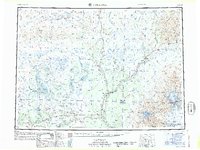 1965 Gulkana1965 Print · USGSInterior Alaska's river valleys and mountain peaks are captured here in the mid-1960s as the highway system connected the wilderness. Researchers can trace the layout of early settlements and junctions like Gakona Junction, Tazlina, and the remote Tyone Village.
 - 1966 Map of Talkeetna Mountains
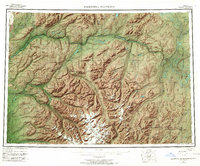 1966 Talkeetna Mountains1966 Print · USGSThe Alaska Railroad pushes through the western river valleys during the mid-1960s, connecting small rail stops in a largely roadless interior. Genealogists and historians can trace early settlements like Curry, Deadhorse, and Gold Creek along the rail line.
 - 1969 Map of Mount McKinley, 1970 Print
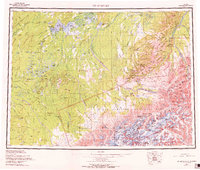 1969 Mount McKinley1970 Print · USGSThe interior Alaska wilderness appears in the late 1960s, centered on the heights of the Alaska Range and the remote river drainages. Researchers can trace the Winter Trail networks and find early outposts like Kantishna and the Toklat Ranger Sta.
End of results
Showing maps 1-23 of 23
Top cities of Matanuska-Susitna
- Wasilla historical maps
- Palmer historical maps
- Big Lake historical maps
- Willow historical maps
- Houston historical maps
- Talkeetna historical maps
See more
Frequently asked questions
- What are the different types of historical maps available for Matanuska-Susitna?
- What is the oldest map of Matanuska-Susitna?
- Where can I purchase historical maps of Matanuska-Susitna for my home or office?
- Where can I download high-res historical maps of Matanuska-Susitna?
- Are there historical topographic maps available for Matanuska-Susitna?
- Is there historical aerial imagery available for Matanuska-Susitna?
- Where are historical maps of Matanuska-Susitna sourced from?