1960s Maps of Graham County, Arizona
Explore 48 historic maps of Graham County from the 1960s. These maps offer a rare glimpse into what life looked like during the 1960s — showing old roads, neighborhoods, homes, and landmarks that have changed or disappeared over time.
Whether you're researching your family's past, planning a metal detecting trip, or studying how Graham County's landscape evolved across the 1960s, these high-resolution maps are a powerful tool for exploring the history of this region.
- Focus on a specific era: All maps on this page are from the 1960s, giving you a focused view of this time period.
- See what’s changed: Compare century-old streets, trails, and buildings to today's modern landscape using overlays and satellite layers.
- Research with precision: Use these maps for genealogy, historical research, land use analysis, or educational projects.
- View, download, or print: Maps are fully viewable online in high resolution, and can be downloaded or printed for your own records.
Start exploring Graham County's history through authentic maps from the 1960s. This is your window into the past.
Graham County, AZ maps
(48)- 1960 Map of Thatcher
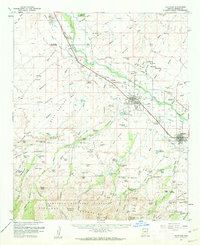 1960 Thatcher1960 Print · USGSThe Gila River valley is a dense corridor of Arizona agricultural history in the early sixties, anchored by the Southern Pacific railroad. Genealogists and historians can trace local families through the many burial grounds, including Glenbar Cem and Hubbard Cem, or locate landmarks like the Eastern Arizona Jr College.2 unique versions available
 - 1960 Map of Mesa
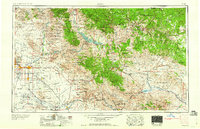 1960 Mesa1960 Print · USGSThe Salt River Valley and Superstition wilderness are captured here during a era of rapid post-war growth. Researchers can trace the mid-century footprints of Williams AF Base and Arizona State College or locate the deep-rock shafts of the Old Dominion Mine and Magma Mine.
 - 1960 Map of Guthrie, 1961 Print
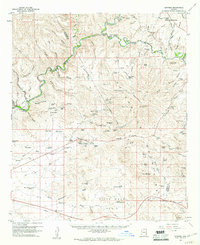 1960 Guthrie1961 Print · USGSGraham County ranching and mining come into sharp focus in the early sixties at the confluence of the Gila River and San Francisco River. Researchers can trace the Southern Pacific rail line to Guthrie and locate remote sites like the Ash Peak Mine and Gillespie Ranch.2 unique versions available
 - 1960 Map of Duncan, 1961 Print
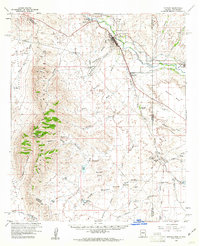 1960 Duncan1961 Print · USGSThe Gila River valley along the Arizona-New Mexico border is captured here in the early 1960s as a thriving corridor of rail and irrigation. Researchers can trace the Southern Pacific line through Duncan and Franklin, or locate family sites like Cox Ranch and Rainville Ranch.4 unique versions available
 - 1960 Map of Bylas, 1961 Print
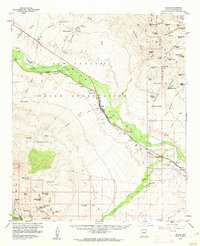 1960 Bylas1961 Print · USGSIn the early 1960s, the Gila River corridor through the San Carlos Indian Reservation remained a vital link for rail and highway travel. Genealogists and historians can trace family locations through Bylas and Geronimo, alongside the Fort Thomas Ward Cemetery and Mescal Pit.2 unique versions available
 - 1960 Map of Fort Thomas, 1961 Print
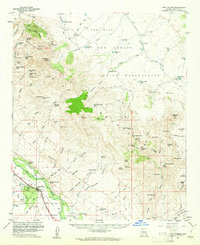 1960 Fort Thomas1961 Print · USGSGraham County ranching and rail infrastructure are on full display in the early sixties. Researchers can trace family history through the Fort Thomas Cem and McEuen Cem or locate old outposts like Slaughter Camp and the Day Mine Windmill.2 unique versions available
 - 1960 Map of Safford, 1961 Print
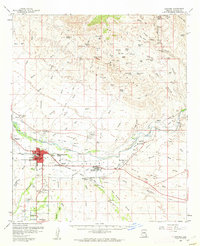 1960 Safford1961 Print · USGSThe Gila River valley is captured here during a period of steady growth in the early sixties, showing the vital irrigation network that sustained the local economy. Researchers can trace the path of the Southern Pacific railroad and locate landmarks like the Solomonsville Cemetery and Lafe Nelson School.3 unique versions available
 - 1962 Map of Silver City
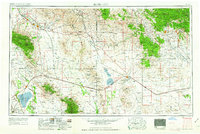 1962 Silver City1962 Print · USGSThe high desert borderlands of New Mexico and Arizona come alive in this early sixties survey. Genealogists and historians can trace the mining economy through the Chino Mine, follow the rail routes of the Southern Pacific, or locate settlements like Virden and Bayard.
 - 1962 Map of Clifton
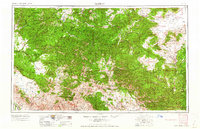 1962 Clifton1962 Print · USGSThe copper-rich Arizona-New Mexico borderlands come into focus in the early sixties, centered on the mining complexes of Morenci and Clifton. Researchers can trace the Southern Pacific rail lines and locate remote outposts like Honeymoon and the Double Circle Ranch.
 - 1962 Map of Tucson
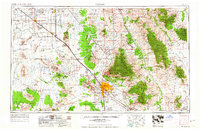 1962 Tucson1962 Print · USGSSouthern Arizona in the early sixties showcases a landscape defined by burgeoning desert cities and massive military installations. Researchers can trace tribal settlements like Schuchk, legacy mining sites at Silver Bell Mine, and the early footprint of Davis-Monthan Air Force Base.
 - 1962 Map of San Carlos Reservoir, 1963 Print
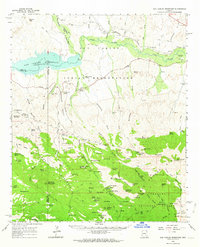 1962 San Carlos Reservoir1963 Print · USGSThe Graham and Gila County borderlands are captured here in the early sixties, showing the vital San Carlos Reservoir and the surrounding desert rangeland. Researchers can trace remote habitations and industry through the Copper Reef Mine, Indian Cemetery, and several historic ranch sites like Bowman Ranch.3 unique versions available
 - 1962 Map of Clifton, 1964 Print
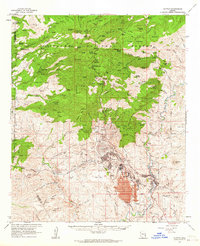 1962 Clifton1964 Print · USGSMining and industry define this corner of Greenlee County in the early sixties, as the copper economy reshaped the Arizona landscape. Genealogists and historians can trace company housing at Plantsite, the massive Morenci Open Pit, and the former town of Metcalf.2 unique versions available
 - 1962 Map of Bryce Mountain, 1964 Print
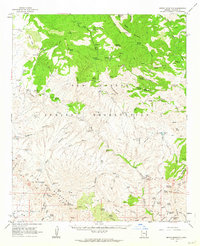 1962 Bryce Mountain1964 Print · USGSThe San Carlos Indian Reservation and Gila Mountains are captured here in the early sixties, showing a landscape of high rims and vital springs. Genealogists and hikers can locate Cliff Dwellings, the remote Park Creek Cabins, and family-named sites like Toppys Cave.2 unique versions available
 - 1962 Map of San Simon, 1971 Print
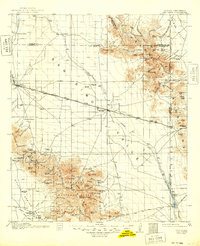 1962 San Simon1971 Print · USGSThe Arizona-New Mexico borderlands come alive in this survey of the San Simon Valley and the Peloncillo Mountains as they appeared before the Great War. Genealogists and historians can trace the foundations of Old Fort Bowie, the SOUTHERN PACIFIC line, and family landmarks like Riggs Home Ranch.
 - 1964 Map of Tucson
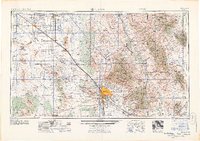 1964 Tucson1964 Print · USGSSouthern Arizona in the mid-1960s shows a landscape of burgeoning desert cities and industrial-scale copper mining. Researchers can trace the development of Tucson and its outlying mining districts, including the Silver Bell Mine and San Manuel Mine.
 - 1964 Map of Mesa
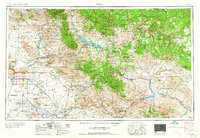 1964 Mesa1964 Print · USGSCentral Arizona in the mid-1960s reveals a landscape defined by rapid desert urbanization and a massive copper mining industry. Genealogists and historians can trace the growth of Phoenix or explore the mining camps and operations at Miami Mine and Magma Mine.
 - 1965 Map of Sontag Mesa, 1967 Print
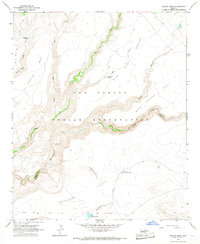 1965 Sontag Mesa1967 Print · USGSThe San Carlos Indian Reservation in the mid-1960s is a landscape of high mesas and deep river canyons. Researchers can trace the junction of the Blue River and San Carlos River, or locate remote landmarks like Antelope Tank and Sontag Mesa.
 - 1966 Map of Branaman Spring, 1967 Print
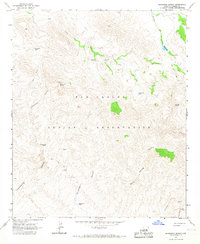 1966 Branaman Spring1967 Print · USGSThe high-desert terrain of the Graham County backcountry in the mid-1960s is mapped here in detail within the San Carlos Indian Reservation. Researchers can trace old cattle-range improvements and water sources like Mule Well, Branaman Spring, and the uniquely named No Way Spring.
 - 1966 Map of Tanque, 1967 Print
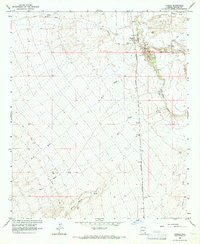 1966 Tanque1967 Print · USGSGraham County ranching and rail infrastructure are captured here during the 1960s. Genealogists and desert historians can trace the Southern Pacific line past Tanque, L L Ranch, and Bailey Well.2 unique versions available
 - 1966 Map of Artesia NE, 1967 Print
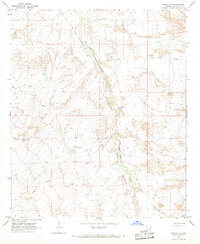 1966 Artesia NE1967 Print · USGSGraham County ranching and railroad history come into focus in the mid-1960s along the San Simon River corridor. Genealogists and historians can trace the Southern Pacific line past landmarks like Rock House and the remote Corral.
 - 1966 Map of Artesia, 1967 Print
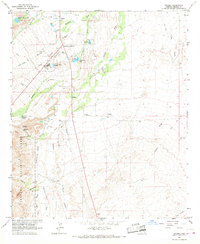 1966 Artesia1967 Print · USGSGraham County's high desert landscape comes alive in the mid-1960s, showing the intersection of agricultural settlements and federal land. Genealogists and historians can locate the Artesia Cemetery, Artesia Sch, and the layout of the Federal Prison Camp.2 unique versions available
 - 1966 Map of Javelina Peak, 1967 Print
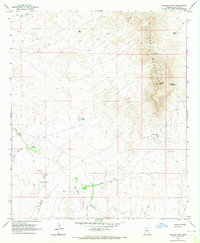 1966 Javelina Peak1967 Print · USGSThe high desert of Graham County comes into sharp focus during the mid-1960s, showing a land defined by scarce water and ancient history. Researchers can locate a Cliff Dwelling in the Whitlock Mountains or trace the drainage of Gold Gulch toward Starvation Flat.2 unique versions available
 - 1966 Map of Natural Corral, 1967 Print
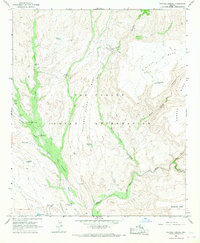 1966 Natural Corral1967 Print · USGSThe San Carlos Indian Reservation in the mid-sixties reveals a landscape of isolated mesas and vital water tanks. Researchers can trace remote infrastructure like the San Carlos Landing Strip, the Tufa Stone Quarry, and family-named landmarks including Smith Well.
 - 1966 Map of Bronco Gulch, 1967 Print
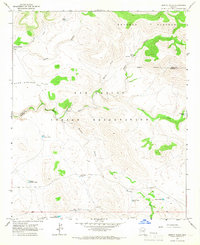 1966 Bronco Gulch1967 Print · USGSGraham County tribal lands within the San Carlos Indian Reservation are depicted here during the mid-1960s. Researchers can locate remote water sources and junctions including Warm Springs, Rocky Junction, and White Ledge Tank.
 - 1966 Map of Georges Butte, 1967 Print
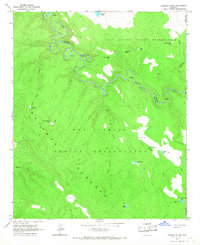 1966 Georges Butte1967 Print · USGSThe Black River corridor in the mid-1960s reveals a remote tribal landscape where the Fort Apache Indian Reservation meets the San Carlos Indian Reservation. Researchers can trace isolated water sources like Foreman Well and Lost Mule Tank across the Natanes Plateau.2 unique versions available
Showing maps 1-25 of 48
Top cities of Graham County
- Safford historical maps
- Thatcher historical maps
- Pima historical maps
- Swift Trail Junction historical maps
- Bylas historical maps
- Cactus Flat historical maps
See more
Frequently asked questions
- What are the different types of historical maps available for Graham County?
- What is the oldest map of Graham County?
- Where can I purchase historical maps of Graham County for my home or office?
- Where can I download high-res historical maps of Graham County?
- Are there historical topographic maps available for Graham County?
- Is there historical aerial imagery available for Graham County?
- Where are historical maps of Graham County sourced from?