Old Maps of Casa Grande, Arizona for Academic Research
Study the evolution of Casa Grande with 52 high-resolution historic maps. Whether you're teaching, researching, or modeling changes in land use, these maps provide essential visual documentation of urban, environmental, and geographic change.
- Analyze long-term change: Track patterns in development, transportation, and natural features.
- Ideal for environmental or urban studies: Support academic projects with primary historical map data.
- Use in the classroom or lab: Educators and researchers rely on these maps to bring historical context to life.
These maps are a powerful tool for teaching, research, and visualizing how Casa Grande has changed over the decades.
Casa Grande, AZ maps
(52)- 1922 Map of Casa Grande, 1956 Print
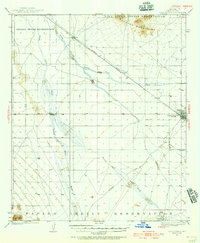 1922 Casa Grande1956 Print · USGSPinal County in the early twenties shows a landscape shaped by tribal lands and the railroad. Genealogists and historians can trace the early layout of Casa Grande, the rail siding at Nunez, and the village of Chuichu.2 unique versions available
 - 1922 Map of Signal Peak, 1959 Print
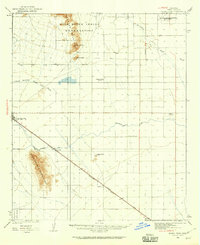 1922 Signal Peak1959 Print · USGSPinal County's desert corridor is captured in the early 1920s as the railroad and new canals began to transform the arid landscape. Genealogists and historians can trace the early footprints of Casa Grande, Arizola, and the American Boy Mine.2 unique versions available
 - 1924 Map of Signal Peak
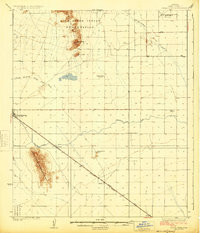 1924 Signal Peak1924 Print · USGSPinal County in the early twenties shows a landscape of desert peaks and growing rail hubs along the Southern Pacific Railroad. Trace the early development of Casa Grande and Eloy near the American Boy Mine and rural Selma School.3 unique versions available
 - 1924 Map of Casa Grande
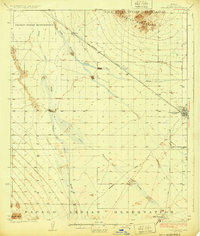 1924 Casa Grande1924 Print · USGSThe Santa Cruz River valley in the early 1920s shows the convergence of rail travel and early desert irrigation. Genealogists and historians can trace the rail sidings of Bon and Nunez or locate the village of Chiu Chuischu within the Papago Indian Reservation.
 - 1956 Map of Tucson, 1967 Print
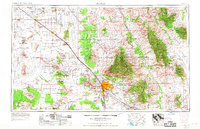 1956 Tucson1967 Print · USGSPost-war Southern Arizona comes into focus as the copper and aviation industries expand around Tucson. Trace family roots in South Tucson or locate early mining sites like the San Manuel Mine and Silver Bell Mine near the Santa Cruz River.3 unique versions available
 - 1958 Map of Tucson
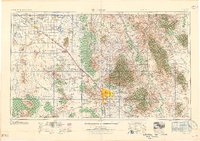 1958 Tucson1958 Print · USGSSouthern Arizona in the late fifties reveals a landscape of desert agriculture and rising military aviation. Trace the rail lines of the Southern Pacific or locate the historic San Xavier Del Bac Mission and the Casa Grande Natl Mon.
 - 1959 Map of Tucson
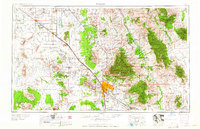 1959 Tucson1959 Print · USGSSouthern Arizona in the late fifties shows a landscape of military growth and desert industry. Genealogists and historians can trace the footprint of Davis-Monthan Air Force Base and old mining sites like the San Manuel Mine near Mammoth.2 unique versions available
 - 1962 Map of Tucson
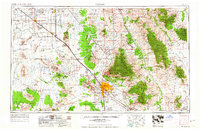 1962 Tucson1962 Print · USGSSouthern Arizona in the early sixties showcases a landscape defined by burgeoning desert cities and massive military installations. Researchers can trace tribal settlements like Schuchk, legacy mining sites at Silver Bell Mine, and the early footprint of Davis-Monthan Air Force Base.
 - 1964 Map of Tucson
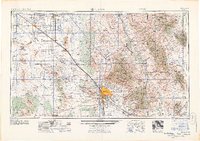 1964 Tucson1964 Print · USGSSouthern Arizona in the mid-1960s shows a landscape of burgeoning desert cities and industrial-scale copper mining. Researchers can trace the development of Tucson and its outlying mining districts, including the Silver Bell Mine and San Manuel Mine.
 - 1965 Map of Casa Grande Mts, 1966 Print
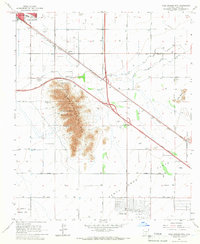 1965 Casa Grande Mts1966 Print · USGSMid-century Pinal County comes alive in this survey of the desert floor, where the Casa Grande Mts rise above developing agricultural lands. Researchers can locate the Mtn View Cem, trace the Southern Pacific line, and see the early layout of Arizona City.3 unique versions available
 - 1965 Map of Double Peak, 1966 Print
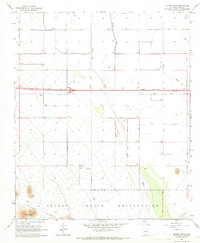 1965 Double Peak1966 Print · USGSPinal County's desert floor was undergoing significant transformation in the mid-sixties as new highways began to cut across the landscape. Researchers can trace early aviation at Potter Airfield, follow the Vaiva Hills into the Papago Indian Reservation, and locate numerous local landmarks like Double Peak.
 - 1965 Map of Casa Grande East, 1967 Print
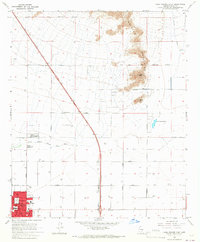 1965 Casa Grande East1967 Print · USGSMid-century development in the Arizona desert finds Casa Grande expanding toward the foothills of the Sacaton Mountains. Researchers can trace the layout of local education and recreation at Union High Sch or locate the remote Lake in the Desert.3 unique versions available
 - 1965 Map of Chuichu, 1967 Print
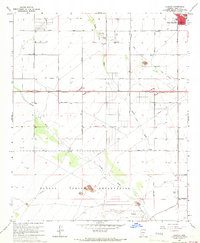 1965 Chuichu1967 Print · USGSThe Pinal County desert south of Casa Grande is captured here in the mid-sixties as agriculture and infrastructure expanded across the Papago Indian Reservation. Researchers can trace old family roads and landmarks like Chuichu, the South Sch, and the Casa Grande Canal.2 unique versions available
 - 1965 Map of Casa Grande West, 1967 Print
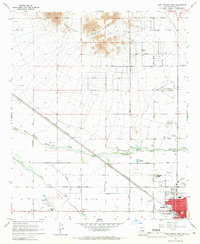 1965 Casa Grande West1967 Print · USGSArizona's desert valley comes into focus during the mid-sixties as Casa Grande expands along the Southern Pacific tracks. Researchers can trace land development through the Casa Grande Canal and sites like the Mormon Battalion Historical Monument.2 unique versions available
 - 1965 Map of Stanfield, 1967 Print
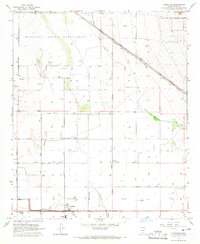 1965 Stanfield1967 Print · USGSStanfield and the surrounding Pinal County desert are captured here in the mid-1960s as industrial agriculture transformed the landscape. Researchers can trace the early layout of Stanfield along the Southern Pacific tracks and locate Potter Sch and Potter Airfield.2 unique versions available
 - 1971 Map of Casa Grande East, 1972 Print
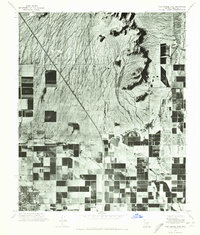 1971 Casa Grande East1972 Print · USGSCentral Arizona's agricultural landscape is seen in transition during the early seventies as irrigation transforms the desert around Casa Grande. Genealogists and researchers can trace the early city grid and remote features like Lake in the Desert and the high ground of Signal Peak.
 - 1971 Map of Casa Grande West, 1972 Print
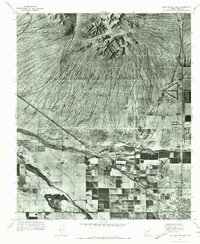 1971 Casa Grande West1972 Print · USGSArizona's desert landscape meets organized agriculture in the early seventies as the desert begins to yield to development. Trace the intersection of the Sacaton Mountains and the expanding irrigation networks near Casa Grande and the Santa Cruz Wash.
 - 1971 Map of Stanfield, 1972 Print
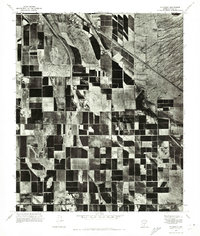 1971 Stanfield1972 Print · USGSThe agricultural landscape of Pinal County is captured in the early seventies, showing a highly developed grid of desert farm plots. Local historians can trace the early footprint of Stanfield and the natural course of the Santa Cruz Wash across the terrain.
 - 1992 Map of Casa Grande West
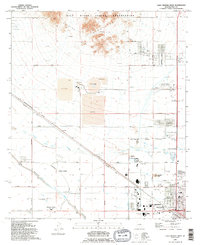 1992 Casa Grande West1992 Print · USGSCasa Grande is shown in the early nineties during a period of transition between its mining roots and modern expansion. Researchers can trace the extensive Open Pit Mine works or locate local landmarks like Saguaro Sch and the Mormon Battalion Historical Monument.
 - 1992 Map of Double Peak, 1995 Print
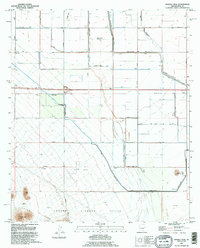 1992 Double Peak1995 Print · USGSPinal County agriculture and desert terrain meet in the early nineties, where a complex irrigation system supports the arid basin. Researchers can trace the path of the Santa Rosa Canal and find local landmarks like Double Peak and the Landing Strip.
 - 1992 Map of Chuichu, 1995 Print
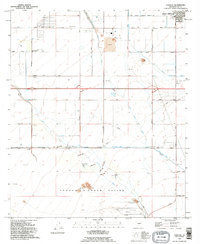 1992 Chuichu1995 Print · USGSThe Pinal County desert south of Casa Grande is documented here in the early nineties, showing the vital water systems and communities of the Tohono O'odham Nation. Genealogists and historians can trace local landmarks like the Ocatillo Sch, the Chuichu settlement, and the local Cemetery.
 - 1992 Map of Stanfield, 1995 Print
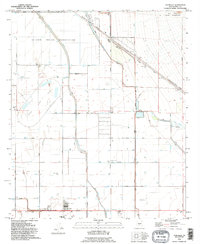 1992 Stanfield1995 Print · USGSThe Pinal County desert and its irrigation-fed fields come alive in the early nineties, centered on the community of Stanfield. Genealogists and historians can trace local landmarks like the Stanfield Sch, the Community Center, and the border of the Ak-Chin Indian Reservation.
 - 1992 Map of Casa Grande East, 1995 Print
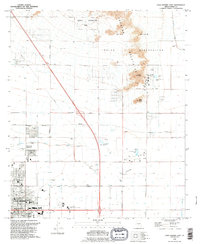 1992 Casa Grande East1995 Print · USGSMid-century expansion and desert hydrology define this portion of Pinal County in the early nineties. Genealogists and local historians can trace the development of Casa Grande and find landmarks like Central Arizona College and Ironwood Sch.
 - 1992 Map of Casa Grande Mountains, 1995 Print
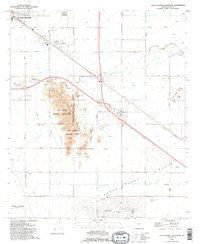 1992 Casa Grande Mountains1995 Print · USGSPinal County at the start of the nineties shows a desert landscape transformed by irrigation and rail, from the city of Casa Grande to the Santa Cruz Flats. Researchers can trace early settlements like Arizola and historic sites such as Weaver Pioneer Cemetery and St Anthony Sch.
 - 1994 Map of Casa Grande
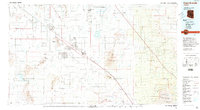 1994 Casa Grande1994 Print · USGSPinal County in the early nineties shows a desert landscape shaped by massive irrigation projects and ancient heritage. Trace the path of the Southern Pacific past Casa Grande National Monument Ruins and the Silver Reef Mine.3 unique versions available
Showing maps 1-25 of 52
Top cities near Casa Grande
- Maricopa historical maps
- Eloy historical maps
- Coolidge historical maps
- Arizona City historical maps
- Chuichu historical maps
Top neighborhoods of Casa Grande
- Bon historical maps
- Desert Sky Ranch historical maps
- Mission Royale historical maps
- Villago historical maps
- Tamaron historical maps
- Los Portales historical maps
Frequently asked questions
- What are the different types of historical maps available for Casa Grande?
- What is the oldest map of Casa Grande?
- Where can I purchase historical maps of Casa Grande for my home or office?
- Where can I download high-res historical maps of Casa Grande?
- Are there historical topographic maps available for Casa Grande?
- Is there historical aerial imagery available for Casa Grande?
- Where are historical maps of Casa Grande sourced from?