1940s Maps of Yavapai County, Arizona
Explore 43 historic maps of Yavapai County from the 1940s. These maps offer a rare glimpse into what life looked like during the 1940s — showing old roads, neighborhoods, homes, and landmarks that have changed or disappeared over time.
Whether you're researching your family's past, planning a metal detecting trip, or studying how Yavapai County's landscape evolved across the 1940s, these high-resolution maps are a powerful tool for exploring the history of this region.
- Focus on a specific era: All maps on this page are from the 1940s, giving you a focused view of this time period.
- See what’s changed: Compare century-old streets, trails, and buildings to today's modern landscape using overlays and satellite layers.
- Research with precision: Use these maps for genealogy, historical research, land use analysis, or educational projects.
- View, download, or print: Maps are fully viewable online in high resolution, and can be downloaded or printed for your own records.
Start exploring Yavapai County's history through authentic maps from the 1940s. This is your window into the past.
Yavapai County, AZ maps
(43)- 1942 Map of Signal
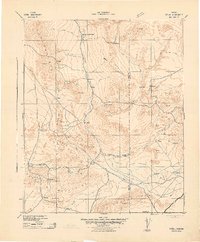 1942 Signal1942 Print · USGSNorthwestern Arizona was a rugged network of mining camps and river crossings during the early years of the war. Researchers can trace the isolated roads connecting Signal, the mines at Bagdad, and the remote desert outposts of Swansea and Alamo.
 - 1942 Map of Payson
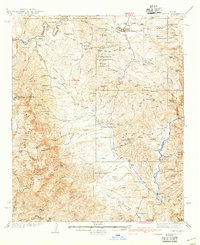 1942 Payson1942 Print · USGSThe Mazatzal Mountains and Tonto Creek watershed come alive in the mid-1930s, showing a landscape of mining claims and remote ranching. Trace old family names at the Bar T Bar Ranch, find historic Indian Ruins, or locate the Gisela Sch.2 unique versions available
 - 1944 Map of Clarkdale
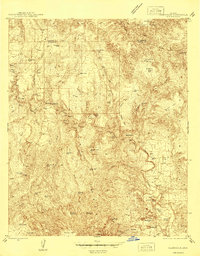 1944 Clarkdale1944 Print · USGSThe Verde Valley during the mid-1940s shows a complex network of mining infrastructure and ancient history. Local historians can trace the industrial footprint of the Smelter in Clarkdale and the archaeological site at Tuzigoot Nat Mon.5 unique versions available
 - 1944 Map of Mingus Mountain, 1947 Print
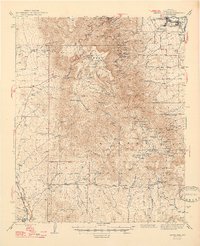 1944 Mingus Mountain1947 Print · USGSYavapai County during the mid-forties reveals a landscape defined by industrial mining and the early infrastructure of the Verde Valley. Genealogists and historians can trace old claims like the Leghorn Mine and early community hubs like Smelter City or the Yarber Sch.4 unique versions available
 - 1945 Map of Bagdad, 1964 Print
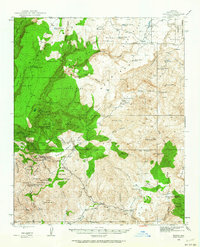 1945 Bagdad1964 Print · USGSThe copper district of Yavapai County is captured here in the mid-1940s, showing the early industrial footprint of Bagdad. Researchers can trace the era's mining landscape through the Black Pearl Mine, Old Dick Mine, and the remote Bozarth Ranch.3 unique versions available
 - 1947 Map of Mingus Mtn
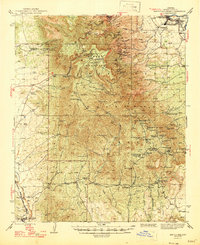 1947 Mingus Mtn1947 Print · USGSYavapai County mining and ranching culture are deeply etched into this late-1940s landscape, centered on the high peaks of the Black Hills. Genealogists and historians can trace the foundations of local industry and education through the Iron King Mine, the settlement of Cherry, and the Yarber Sch.
 - 1947 Map of Crown King, 1955 Print
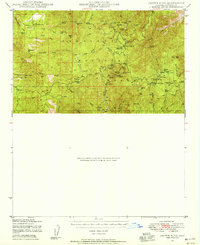 1947 Crown King1955 Print · USGSThe Bradshaw Mountains mining camps are shown at a post-war turning point when old silver and gold workings shared the hills with new forest recreation. Genealogists and metal detectorists can trace historic sites like Fort Misery, the Algonquin Mine, and Paxton Place.
 - 1947 Map of Bumblebee, 1955 Print
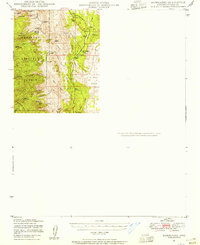 1947 Bumblebee1955 Print · USGSArizona's mining heart is on full display in the late 1940s within the rugged Bradshaw Mountains and Prescott National Forest. Genealogists and historians can trace the foundations of Poland and Bumblebee or locate legacy claims like the Thunderbolt Mine and 88 Mine.2 unique versions available
 - 1947 Map of Mayer, 1955 Print
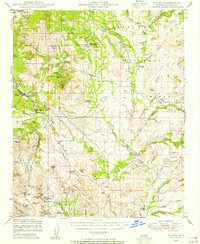 1947 Mayer1955 Print · USGSYavapai County mining and ranching cultures are captured here just after the war, showing the network of claims and homesteads within the Prescott National Forest. Researchers can trace old operations like the Stoddard Mine and family holdings such as the Burmister Ranch.2 unique versions available
 - 1947 Map of Ash Fork, 1957 Print
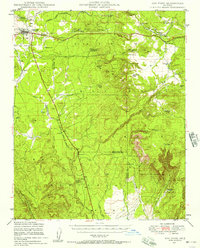 1947 Ash Fork1957 Print · USGSThe high desert around Ash Fork was a vital rail and ranching corridor in the late 1940s. Genealogists and historians can trace the Atchison Topeka & Santa Fe line past Evans Ranch and remote water features like Irishman Dam.3 unique versions available
 - 1947 Map of Simmons, 1958 Print
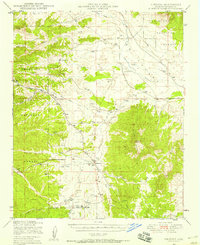 1947 Simmons1958 Print · USGSYavapai County ranching country is captured here in the late 1940s, showing a landscape defined by cattle outfits and remote valley outposts. Researchers can trace historic family-named locations such as Seven V Ranch, Wineglass Ranch, and the Eddy Place near Simmons Pk.2 unique versions available
 - 1947 Map of Iron Springs, 1958 Print
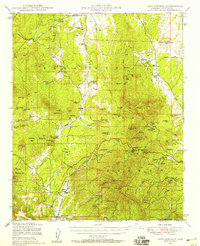 1947 Iron Springs1958 Print · USGSYavapai County's high forest and ranching country are frozen in time just after the war, showing the deep connection between the railroad and local industry. Genealogists can trace family holdings like the Bar U Bar Ranch and Lord Stringfield Ranch, or locate sites such as the Arizona Mine and Iron Springs.2 unique versions available
 - 1947 Map of Picacho Butte, 1958 Print
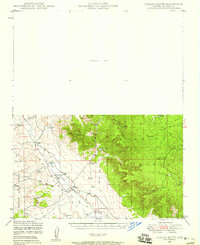 1947 Picacho Butte1958 Print · USGSArizona's high desert ranching country comes into focus in the late 1940s, showcasing the isolated cattle operations and water works of Yavapai County. Genealogists and historians can trace family-named sites like Fritsche Ranch and CV Ranch or locate early infrastructure such as Cotton Dam.2 unique versions available
 - 1947 Map of Mt. Union, 1958 Print
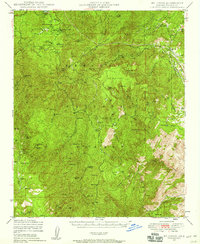 1947 Mt. Union1958 Print · USGSYavapai County's high country is captured here in the late 1940s, showing a landscape of mining camps and early summer retreats. Researchers can trace family homesteads at the McNary Place or locate remote outposts like Goodwin PO and the Butternut Mine.3 unique versions available
 - 1947 Map of Paulden, 1958 Print
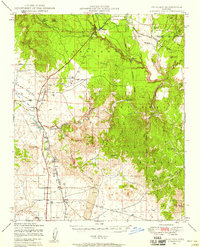 1947 Paulden1958 Print · USGSCentral Arizona ranching and rail history come alive in this late 1940s survey of the Chino Valley. Genealogists and historians can trace the Atchison Topeka and Santa Fe line past Drake, Sullivan Lake, and the historic Del Rio Ranch.3 unique versions available
 - 1947 Map of Turkey Canyon, 1959 Print
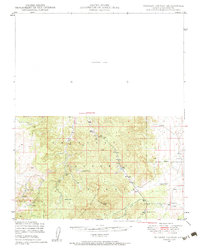 1947 Turkey Canyon1959 Print · USGSThe Juniper Mountains and Prescott National Forest dominate this Yavapai County landscape in the years following World War II. Researchers can locate remote outposts like Happy Camp, early water infrastructure at Hutch Tank, and the historic boundary of the Luis Maria Baca Float No 5.2 unique versions available
 - 1947 Map of Kirkland, 1959 Print
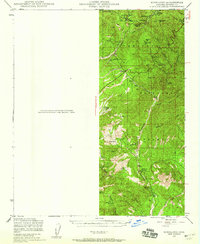 1947 Kirkland1959 Print · USGSArizona's mining and ranching frontier is frozen in time during the late 1940s as the Prescott National Forest was being mapped in detail. Researchers can locate the Die Rebel Mine, the Walnut Grove School, and family outposts like T K Bar Ranch.2 unique versions available
 - 1947 Map of Prescott, 1959 Print
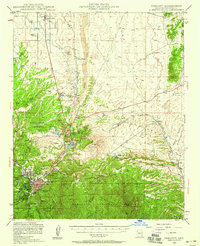 1947 Prescott1959 Print · USGSArizona's territorial capital region is captured here in the late 1940s as the town expands toward the high desert. Genealogists and researchers can trace the limits of the Whipple Military Reservation, locate the Cem in Miller Valley, and follow the Atchison Topeka and Santa Fe rail line.3 unique versions available
 - 1947 Map of Wagoner, 1959 Print
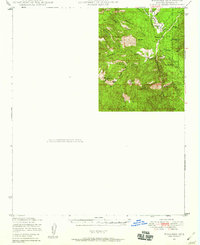 1947 Wagoner1959 Print · USGSYavapai County ranching country is captured here in the late 1940s as modern aviation began to reach remote outposts. Genealogists and historians can locate family holdings at the Diamond 2 Ranch and Cooper Ranch or trace old trails near Wagoner and Minnehaha Flat.2 unique versions available
 - 1947 Map of Sheridan Mountain, 1960 Print
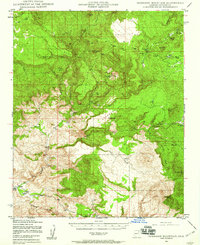 1947 Sheridan Mountain1960 Print · USGSThe high mesas and ranching outposts of Yavapai County are captured here in the late 1940s. Genealogists and historians can trace old cattle-country landmarks like Dumbbell Ranch, Yolo Cabin, and the sprawling Prescott National Forest.3 unique versions available
 - 1947 Map of Camp Wood, 1968 Print
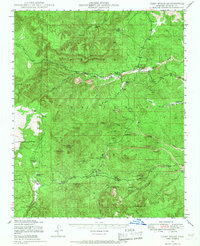 1947 Camp Wood1968 Print · USGSYavapai County ranching and forest management are documented here in the late 1940s. Genealogists and historians can trace isolated homesteads and outposts like Seven Up Ranch, K4 Ranch, and the Ranger Guard Sta near Camp Wood.
 - 1948 Map of Ash Fork
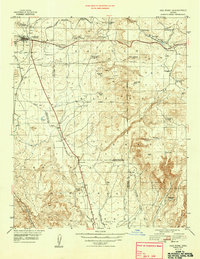 1948 Ash Fork1948 Print · USGSIn the late 1940s, the railroad town of Ashfork served as a gateway to the ranching country at the edge of the Coconino plateau. Researchers can trace the water-management history of the high desert through features like Irishman Dam, McLellan Res, and the Quarter Circle XX Ranch.
 - 1948 Map of Sheridan Mountain
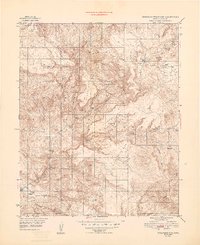 1948 Sheridan Mountain1948 Print · USGSIn the late 1940s, this area of the Yavapai highlands was a remote ranching frontier defined by isolated outposts. Researchers can trace historic family-named locations and water sources like Dumbbell Ranch, Yolo Cabin, and Willow Spring.
 - 1948 Map of Williams
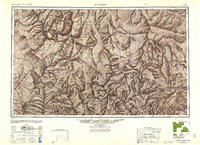 1948 Williams1948 Print · USGSNorthern Arizona is captured here during the post-war era of roadside travel and heavy rail transport along the Santa Fe line. Researchers can trace the path of Route 66 through settlements like Seligman, Valentine, and Hackberry while exploring the vast terrain of the Hualpai Indian Reservation.2 unique versions available
 - 1948 Map of Bumblebee
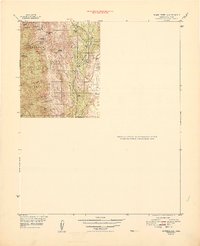 1948 Bumblebee1948 Print · USGSYavapai County mining camps and ranching outposts are documented in this post-war survey of the Bradshaw Mountains. Researchers can trace the locations of the Thunderbolt Mine, the settlement of Bumblebee, and historic sites like Cordes Cabin and Poland.
Showing maps 1-25 of 43
Top cities of Yavapai County
- Prescott historical maps
- Prescott Valley historical maps
- Cottonwood historical maps
- Camp Verde historical maps
- Williamson historical maps
- Paulden historical maps
See more
Frequently asked questions
- What are the different types of historical maps available for Yavapai County?
- What is the oldest map of Yavapai County?
- Where can I purchase historical maps of Yavapai County for my home or office?
- Where can I download high-res historical maps of Yavapai County?
- Are there historical topographic maps available for Yavapai County?
- Is there historical aerial imagery available for Yavapai County?
- Where are historical maps of Yavapai County sourced from?