1930s Maps of Kern County, California
Explore 70 historic maps of Kern County from the 1930s. These maps offer a rare glimpse into what life looked like during the 1930s — showing old roads, neighborhoods, homes, and landmarks that have changed or disappeared over time.
Whether you're researching your family's past, planning a metal detecting trip, or studying how Kern County's landscape evolved across the 1930s, these high-resolution maps are a powerful tool for exploring the history of this region.
- Focus on a specific era: All maps on this page are from the 1930s, giving you a focused view of this time period.
- See what’s changed: Compare century-old streets, trails, and buildings to today's modern landscape using overlays and satellite layers.
- Research with precision: Use these maps for genealogy, historical research, land use analysis, or educational projects.
- View, download, or print: Maps are fully viewable online in high resolution, and can be downloaded or printed for your own records.
Start exploring Kern County's history through authentic maps from the 1930s. This is your window into the past.
Kern County, CA maps
(70)- 1930 Map of Weed Patch
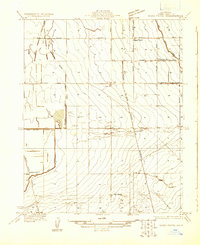 1930 Weed Patch1930 Print · USGSKern County farmland was rapidly expanding in the 1930s as irrigation networks transformed the valley floor. Genealogists and historians can trace the early layout of Weed Patch and the Vineland Sch along with the path of the Southern Pacific Railroad.
 - 1930 Map of Bear Mountain
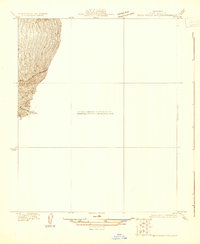 1930 Bear Mountain1930 Print · USGSKern County's dramatic southern ascent is documented in the early 1930s as state and federal engineers charted the valley edge. Researchers can trace the steep topography of Bear Mountain and the initial path of the Boulevard near Sycamore Canyon.2 unique versions available
 - 1930 Map of McFarland
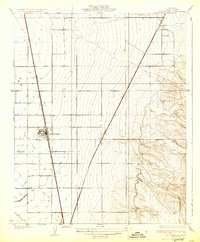 1930 McFarland1930 Print · USGSThe San Joaquin Valley's agricultural heart is captured here in the late twenties as irrigation and rail lines transformed the landscape. Researchers can trace the development of McFarland and Jasmin along the Southern Pacific and the Golden State Highway.2 unique versions available
 - 1930 Map of Leonards
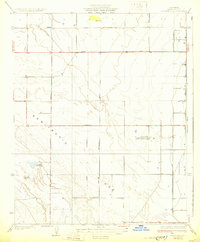 1930 Leonards1930 Print · USGSKern County ranch land and sporting clubs appear in detail during the late 1920s as irrigation and power infrastructure expanded across the valley floor. Genealogists and historians can locate family-named sites like Goose Lake Ranch and the social hub of the Falcon Fliers Club.3 unique versions available
 - 1930 Map of Arvin
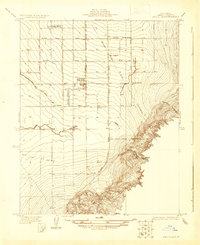 1930 Arvin1930 Print · USGSKern County agriculture and early oil exploration are documented here during the pre-war period. Researchers can trace the rail lines of the Southern Pacific Railroad and locate local landmarks like Rockpile Sch and the Lost Derrick.
 - 1930 Map of Avenal Gap
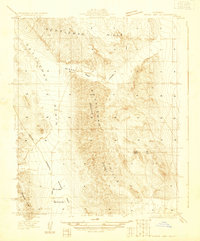 1930 Avenal Gap1930 Print · USGSThe San Joaquin Valley oil country comes into focus in the early 1930s, showing the intersection of Kings and Kern Counties. Researchers can locate the community of Devils Den, its local Devils Den Sch, and the winding Coalinga Bakersfield Road.
 - 1930 Map of Hamlin School
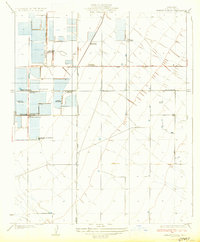 1930 Hamlin School1930 Print · USGSCentral Valley land development and sporting culture define this Kern County area in the late twenties. Researchers can trace early irrigation via the HOMELAND CANAL and locate family-named sites like the Wyoming Dairy Farm or the Hamlin School.
 - 1930 Map of Wasco
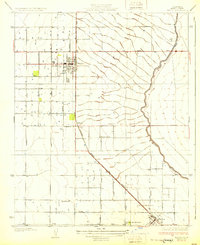 1930 Wasco1930 Print · USGSKern County farming and rail commerce are in full swing in the late 1920s. Genealogists can trace family footprints near Wasco, Shafter, and Hoover Ranch, or locate local landmarks like Maple Sch and the Seventh Day Adventist Ch.3 unique versions available
 - 1930 Map of Pond
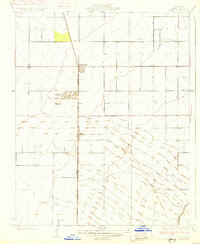 1930 Pond1930 Print · USGSKern County's industrial and rail corridor comes into focus in the late 1920s as the petroleum industry reshaped the valley floor. Researchers can trace the massive Standard Oil Co Storage Tanks at Petro and the small settlements of Pond and Elmo along the Santa Fe line.2 unique versions available
 - 1930 Map of Millux
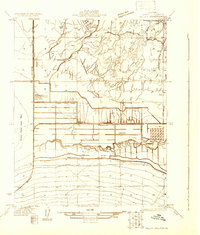 1930 Millux1930 Print · USGSKern County agricultural lands and reclaimed lake basins are captured in the early 1930s. Genealogists and historians can trace the irrigation network near the Southern Pacific rail line, including Millux, Paloma, and the Alexander Fish Ranch.
 - 1930 Map of Famoso
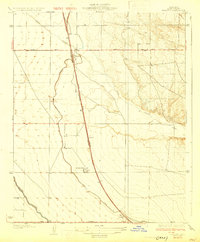 1930 Famoso1930 Print · USGSThe San Joaquin Valley's agricultural heartland emerges here in the late Prohibition era, organized around vital irrigation and rail corridors. Researchers can trace the early paths of the Lerdo Canal and find small rail-side settlements like Famoso and Kimberlina.2 unique versions available
 - 1930 Map of Rosedale
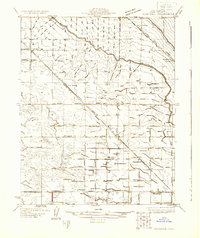 1930 Rosedale1930 Print · USGSRosedale and the surrounding Kern County landscape appear here in the early thirties as a thriving agricultural and rail-oriented community. Researchers can locate the White Church, Palm Sch, and transit points like Rosedale Sta or Una Siding.
 - 1930 Map of Conner
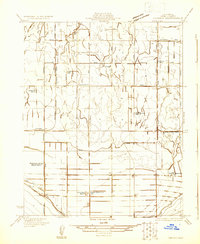 1930 Conner1930 Print · USGSKern County's agricultural basin comes into focus in the 1930s, revealing a landscape of large ranch holdings and vital irrigation works. Genealogists and historians can trace family-named landmarks like Symons Bros Ranch No 2 and the unique presence of the Ordena Migratory Sch.
 - 1930 Map of Oildale
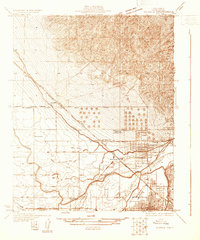 1930 Oildale1930 Print · USGSThe northern reaches of the Central Valley come alive in the early 1930s as petroleum and aviation take root. Researchers can trace the early layout of Oildale alongside the Kern County Airplane Landing Field and rural schools like Beardsley Sch.
 - 1930 Map of Miramonte Ranch
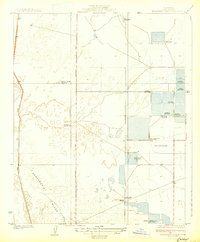 1930 Miramonte Ranch1930 Print · USGSThe San Joaquin Valley landscape comes alive in the late 1920s, showing a unique concentration of private sporting clubs and early water infrastructure. Genealogists and historians can trace Miramonte Ranch, the Indian Burial Mound, and numerous duck clubs like Los Patos Gun Club.2 unique versions available
 - 1931 Map of West of Tejon Hills
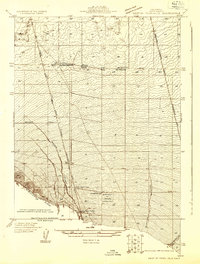 1931 West of Tejon Hills1931 Print · USGSThe southern San Joaquin Valley meets the high ridges of Kern County in the early 1930s. Trace early aviation and power infrastructure, from the Airway Beacon to the Southern California Edison Company Transmission Line and Wheeler Ridge.
 - 1931 Map of Deepwell Ranch
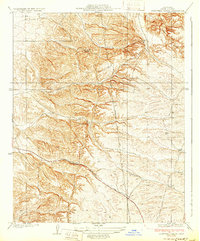 1931 Deepwell Ranch1931 Print · USGSKern County ranching and rugged foothill terrain are captured here in the early 1930s as the regional energy grid began to expand. Genealogists and local historians can trace the paths of Mc Farland Woody Road to early homesteads like Deepwell Ranch and Villards.3 unique versions available
 - 1931 Map of Edison
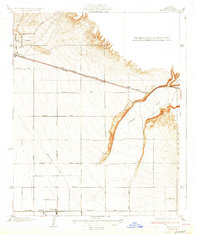 1931 Edison1931 Print · USGSKern County's agricultural and transit corridor comes to life in the early 1930s, showing the early infrastructure around the Southern Pacific railroad. Genealogists and local historians can trace family-named routes and landmarks like Comanche Drive, Caliente Creek, and the El Tejon boundary.2 unique versions available
 - 1931 Map of Pentland Junction
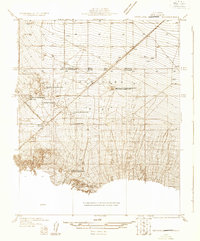 1931 Pentland Junction1931 Print · USGSKern County's oil fields were in their prime during the early 1930s, showing a landscape defined by derricks and refineries. Genealogists and industrial historians can locate worker housing at Essex Camp or trace the rail sidings of Pentland Junction and the Southern Pacific.
 - 1931 Map of Rio Bravo
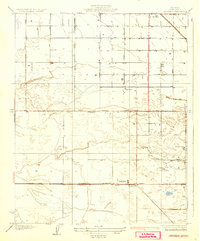 1931 Rio Bravo1931 Print · USGSKern County was undergoing a period of significant growth in the early 1930s as irrigation and oil transformed the landscape. Researchers can trace the development of rural education and commerce at Rio Bravo Sch and the Rio Bravo Store, or follow the path of the Southern Pacific railroad.3 unique versions available
 - 1931 Map of Tejon Hills
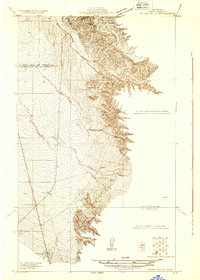 1931 Tejon Hills1931 Print · USGSThe foothills of the southern San Joaquin Valley come into focus in the early 1930s, showing a landscape defined by water and power. Researchers can trace the Southern Pacific Transmission Line or locate remote water sources like El Paso Creek and several Springs.
 - 1931 Map of Lokern
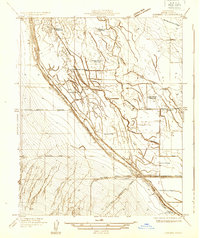 1931 Lokern1931 Print · USGSKern County's agricultural and industrial plumbing is laid bare in the early 1930s, showing a landscape defined by massive irrigation and rail projects. You can trace the path of the Southern Pacific through the crossroads at Lokern or locate multiple Indian Burial Mounds along the Buena Vista Slough.
 - 1931 Map of Goose Lake
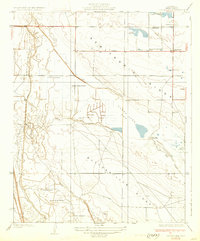 1931 Goose Lake1931 Print · USGSIn the early 1930s, the Kern County landscape was undergoing a massive shift from a wild basin to an irrigated ranching hub. Genealogists and local historians can trace family operations like the Banducci Ranch and locate sensitive sites such as several Indian Burial Mounds.2 unique versions available
 - 1931 Map of Hayes Ranch
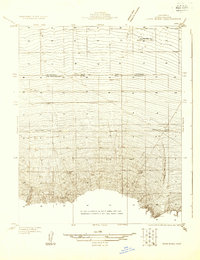 1931 Hayes Ranch1931 Print · USGSThe southern San Joaquin Valley foothills come into focus in the early thirties as the region was still largely defined by large holdings. Researchers can trace the junction of two major surveying meridians and locate the historic Hayes Ranch and a remote Cem.
 - 1932 Map of West Elk Hills
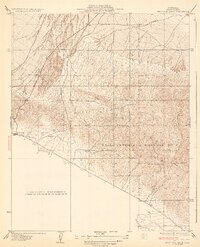 1932 West Elk Hills1932 Print · USGSKern County’s oil-rich desert terrain comes into sharp focus in the early thirties, documenting the strategic and industrial landscape of the West Side. Researchers can trace the path of the Southern Pacific railroad and locate old sites like Asphalto and McKittrick.2 unique versions available
Showing maps 1-25 of 70
Top cities of Kern County
- Bakersfield historical maps
- Delano historical maps
- Ridgecrest historical maps
- Wasco historical maps
- Shafter historical maps
- Arvin historical maps
See more
Frequently asked questions
- What are the different types of historical maps available for Kern County?
- What is the oldest map of Kern County?
- Where can I purchase historical maps of Kern County for my home or office?
- Where can I download high-res historical maps of Kern County?
- Are there historical topographic maps available for Kern County?
- Is there historical aerial imagery available for Kern County?
- Where are historical maps of Kern County sourced from?