2000s (21st Century) Maps of Iowa
Explore 5,604 historic maps of Iowa from the 2000s (21st Century). These maps offer a rare glimpse into what life looked like during the 2000s — showing old roads, neighborhoods, homes, and landmarks that have changed or disappeared over time.
Whether you're researching your family's past, planning a metal detecting trip, or studying how Iowa's landscape evolved across the 2000s, these high-resolution maps are a powerful tool for exploring the history of this region.
- Focus on a specific era: All maps on this page are from the 2000s, giving you a focused view of this time period.
- See what’s changed: Compare century-old streets, trails, and buildings to today's modern landscape using overlays and satellite layers.
- Research with precision: Use these maps for genealogy, historical research, land use analysis, or educational projects.
- View, download, or print: Maps are fully viewable online in high resolution, and can be downloaded or printed for your own records.
Start exploring Iowa's history through authentic maps from the 2000s. This is your window into the past.
Iowa maps
(5,604)- 2000 Map of Milan, 2001 Print
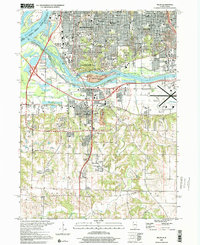 2000 Milan2001 Print · USGSThe Quad Cities region comes into sharp focus at the end of the century, where the river-based industrial legacy meets modern suburban expansion. Researchers can trace family sites from Chippiannock Cem to rural outposts like Coyne Center and Oak Grove.
 - 2010 Map of Treynor, 2010 Print
 2010 Treynor2010 Print · USGSThe rural community of Treynor thrives amidst a network of prairie tributaries in the early twenty-first century. Researchers can trace local genealogy at the Treynor Zion Congregational Cemetery and follow the routes of Pioneer Trl and Silver Creek.
 - 2010 Map of Mineola, 2010 Print
 2010 Mineola2010 Print · USGSSouthwestern Iowa farmland near the turn of the twenty-first century reveals a deeply rooted community structure defined by its rural settlements and local cemeteries. Trace family history at Mineola Cemetery, Saint Paul Cemetery, or the settlement of Dumfries.
 - 2010 Map of Carson, 2010 Print
 2010 Carson2010 Print · USGSSouthwestern Iowa river towns thrive along the West Nishnabotna River during this era of modern agricultural life. Local historians can trace cemetery locations like Old Town Cemetery and Macedonia Cemetery or locate civic centers such as the Carson Post Office.
 - 2010 Map of Griswold NE, 2010 Print
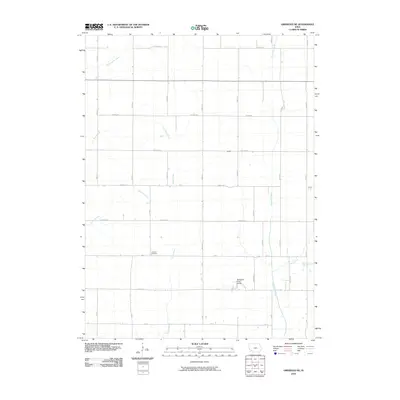 2010 Griswold NE2010 Print · USGSCass County, Iowa, is shown here as a grid of productive farmland and winding prairie creeks during the early 21st century. Genealogists and local historians can locate the Lowman Cemetery and the settlement of McDill, or trace the path of the Tarkio River.
 - 2010 Map of Malvern, 2010 Print
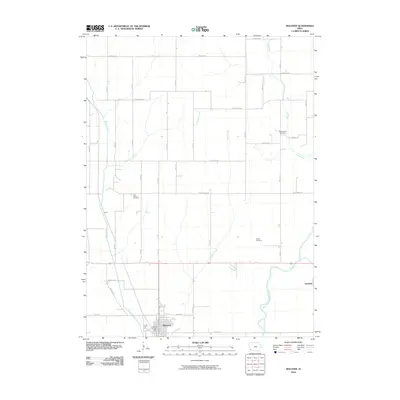 2010 Malvern2010 Print · USGSThe agricultural heart of Mills County is revealed here during the first decade of the 21st century. Genealogists and local historians can trace the positions of the Malvern Post Office and family-named burial sites like Wearin Cemetery and Cottonwood Cemetery.
 - 2010 Map of Clearmont, 2010 Print
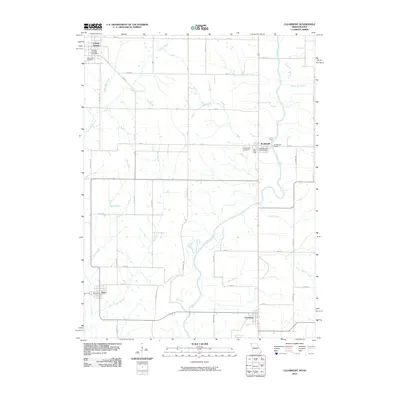 2010 Clearmont2010 Print · USGSThe Nodaway River valley at the Missouri-Iowa border comes into focus in this late-period survey of rural Page and Nodaway counties. Researchers can trace the exact layouts of Clearmont, Elmo, and Braddyville, or locate family sites at Maple Hill Cemetery and Pruitt Lake.
 - 2010 Map of Griswold, 2010 Print
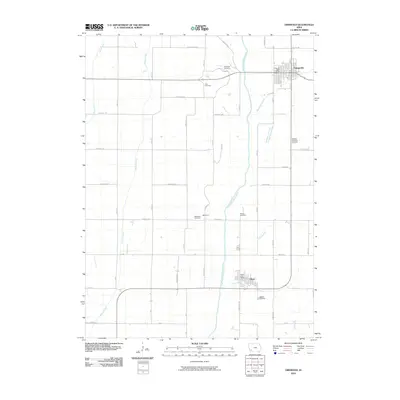 2010 Griswold2010 Print · USGSGriswold and Elliott are mapped here in 2010 as they sit along the winding East Nishnabotna River valley. Genealogists and historians can trace numerous rural burial sites like Waveland Cemetery and Hillside Cemetery tucked away among the farm grids.
 - 2010 Map of Glenwood, 2010 Print
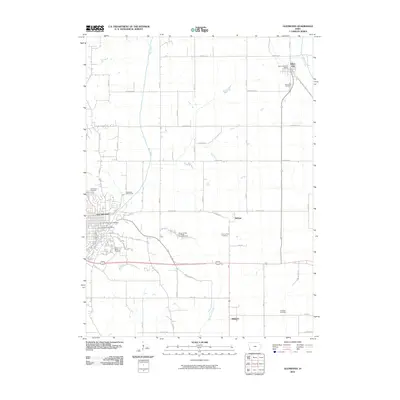 2010 Glenwood2010 Print · USGSGlenwood and the surrounding Mills County countryside are captured here in the early twenty-first century, showing a mix of town centers and rural acreage. Genealogists can trace family footprints at the Somar Family on Wright Farm Cemetery, Silver City Cemetery, or Hillsdale.
 - 2010 Map of Omaha South, 2010 Print
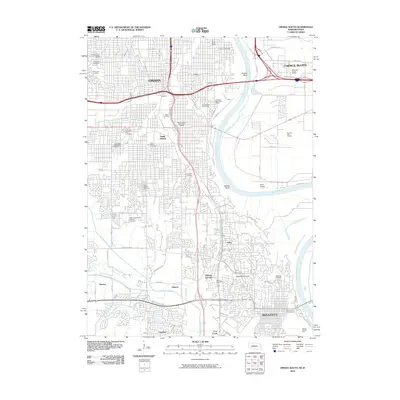 2010 Omaha South2010 Print · USGSThe Missouri River corridor between Omaha and Bellevue comes alive in this 2010 survey of eastern Nebraska and western Iowa. Researchers can trace the heritage of local neighborhoods through sites like Bohemian Cemetery, Sarpys Trading Post, and the campus of Bellevue University.
 - 2010 Map of Wales, 2010 Print
 2010 Wales2010 Print · USGSSouthwestern Iowa’s agricultural heartland is documented here in the early twenty-first century, showing the enduring grid of Montgomery County townships. Researchers can locate the small settlements of Wales and McPherson alongside the Gomer Cemetery and Lowens Cemetery.
 - 2010 Map of Carson NE, 2010 Print
 2010 Carson NE2010 Print · USGSPottawattamie County farmland is documented here in the early twenty-first century, showing the intersection of rural life and landscape. Genealogists and local historians can locate Center Ridge Cemetery, the Elliot Hillside Cemetery, and the settlement of Wheeler.
 - 2010 Map of Emerson, 2010 Print
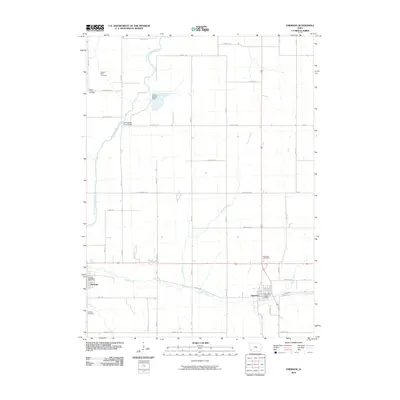 2010 Emerson2010 Print · USGSMills County at the end of the first decade of the 2000s shows a landscape of established river towns and quiet rural cemeteries. Family history researchers can trace locations like Saylers Farm Cemetery, Wesley Chapel Cemetery, and the original Emerson Post Office site.
 - 2010 Map of Fremont, 2010 Print
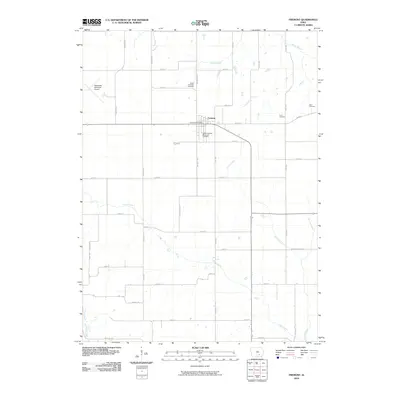 2010 Fremont2010 Print · USGSMahaska County agricultural life and rural infrastructure are documented here during the early twenty-first century. Genealogists can trace local heritage through several burial grounds including Ford Cemetery and Cedar Township Memorial Cemetery.
 - 2010 Map of Dedham, 2010 Print
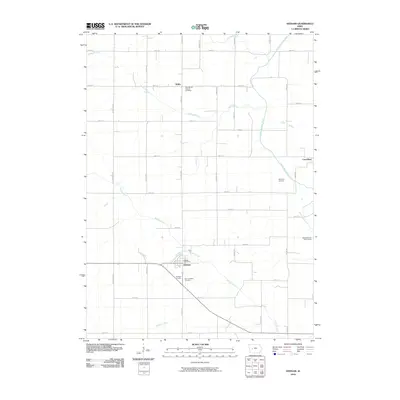 2010 Dedham2010 Print · USGSCarroll County farming communities and religious centers are captured in detail during the first decade of the millennium. Genealogists can locate family sites near Saint Mary's Catholic Cemetery, the Dedham Post Office, and the Middle Raccoon River Access.
 - 2010 Map of Muscatine NW, 2010 Print
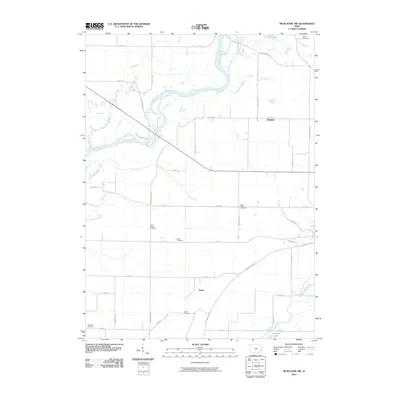 2010 Muscatine NW2010 Print · USGSMuscatine County's rural townships are documented here during the first decade of the millennium, showing a landscape of river bends and prairie roads. Genealogists can locate several local burial grounds like Ardon Cemetery and Houtz Cemetery alongside the Cedar River.
 - 2010 Map of Carbon, 2010 Print
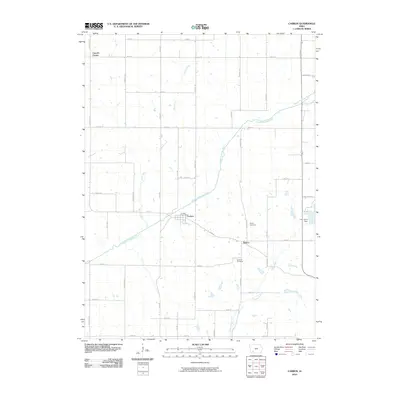 2010 Carbon2010 Print · USGSAdams County rural life is documented here in the early twenty-first century, centered on the Middle Nodaway River. Researchers can locate family roots at the Quincy Cemetery or trace the early community of Carbon.
 - 2010 Map of West Point, 2010 Print
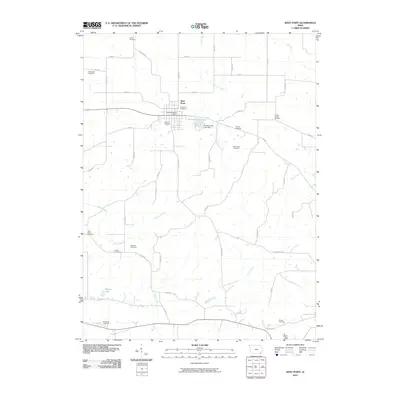 2010 West Point2010 Print · USGSSoutheast Iowa farm country is captured here in the early twenty-first century, centered on the community of West Point. Genealogists and local historians can trace family roots through a dense network of burial sites, including Pitman Chapel Cemetery, Saint Peters Cemetery, and Wilson Cemetery.
 - 2010 Map of Winfield South, 2010 Print
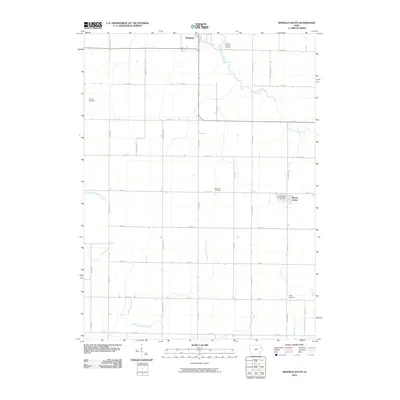 2010 Winfield South2010 Print · USGSSoutheast Iowa farm country is documented here at the turn of the millennium, centered on the rural communities of Henry County. Genealogists and historians can trace local landmarks like Tallman Cemetery, Sheridan Cemetery, and the Mount Union Post Office.
 - 2010 Map of Adair South, 2010 Print
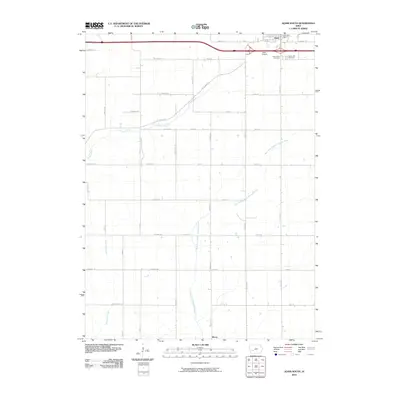 2010 Adair South2010 Print · USGSAdair and the surrounding Iowa farmland are captured here in the early twenty-first century as the region maintains its agricultural character. Genealogists and local historians can trace the town’s layout, locate Saint Johns Cemetery, and follow the path of Turkey Creek or the West Fork Middle Nodaway River.
 - 2010 Map of Olmitz, 2010 Print
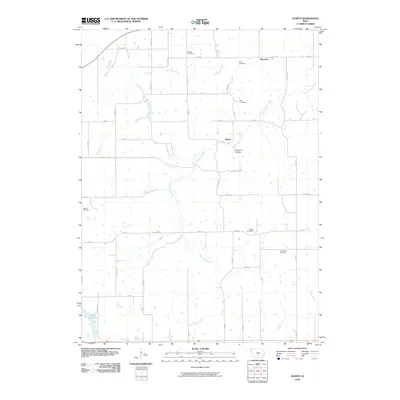 2010 Olmitz2010 Print · USGSSouthern Iowa farm country is documented here in the early twenty-first century, showing the rural networks of Lucas County. Genealogists can trace family connections through numerous local burial grounds like Old Ireland Cemetery, Zion Cemetery, and the settlements of Olmitz and Tipperary.
 - 2010 Map of Diagonal, 2010 Print
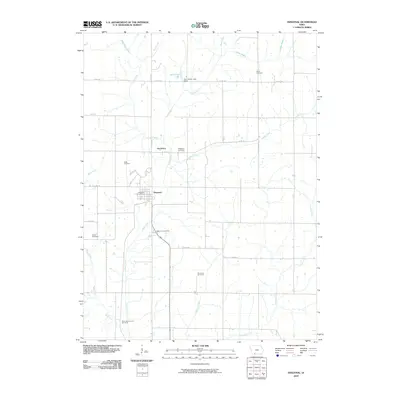 2010 Diagonal2010 Print · USGSDiagonal and Knowlton are captured here in Ringgold County during the early twenty-first century as the Grand River winds through the local farmland. Genealogists can locate several family landmarks including Dead Man's Curve Cemetery, Bohemian Cemetery, and the Diagonal Post Office.
 - 2010 Map of Slater, 2010 Print
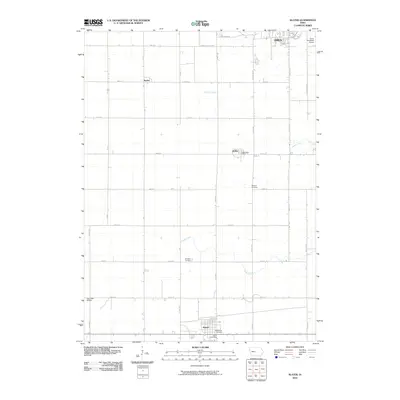 2010 Slater2010 Print · USGSIn the Story County heartland during the early twenty-first century, this landscape shows the intersection of rural heritage and municipal growth. Genealogists and local historians can trace the foundations of Slater and Kelley, identifying sites like Bethany Cemetery and the Big Creek Bridge.
 - 2010 Map of North English, 2010 Print
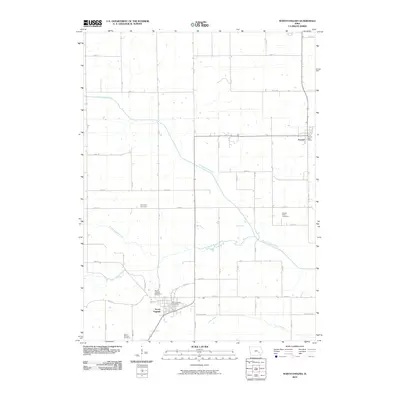 2010 North English2010 Print · USGSIowa County farm country and river bottoms are documented here in the early 21st century. Researchers can locate family burial sites like Saint Patricks Cemetery and Campbell Cemetery or trace the winding Middle English River.
 - 2010 Map of Donnellson, 2010 Print
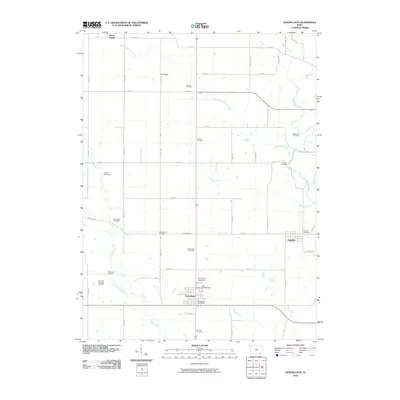 2010 Donnellson2010 Print · USGSLee County farm country comes into focus in this modern era, centered on the community of Donnellson and its regional fairgrounds. Local historians can trace family ties through over a dozen named sites including McCulloch Cemetery, Hoover Cemetery, and Franklin.
Showing maps 1-25 of 5,604
Top cities of Iowa
- Des Moines historical maps
- Cedar Rapids historical maps
- Davenport historical maps
- Sioux City historical maps
- Iowa City historical maps
- West Des Moines historical maps
See more
Top counties of Iowa
- Polk County historical maps
- Linn County historical maps
- Scott County historical maps
- Johnson County historical maps
- Black Hawk County historical maps
- Woodbury County historical maps
See more
Frequently asked questions
- What are the different types of historical maps available for Iowa?
- What is the oldest map of Iowa?
- Where can I purchase historical maps of Iowa for my home or office?
- Where can I download high-res historical maps of Iowa?
- Are there historical topographic maps available for Iowa?
- Is there historical aerial imagery available for Iowa?
- Where are historical maps of Iowa sourced from?