2000s (21st Century) Maps of Crane County, Texas
Explore 125 historic maps of Crane County from the 2000s (21st Century). These maps offer a rare glimpse into what life looked like during the 2000s — showing old roads, neighborhoods, homes, and landmarks that have changed or disappeared over time.
Whether you're researching your family's past, planning a metal detecting trip, or studying how Crane County's landscape evolved across the 2000s, these high-resolution maps are a powerful tool for exploring the history of this region.
- Focus on a specific era: All maps on this page are from the 2000s, giving you a focused view of this time period.
- See what’s changed: Compare century-old streets, trails, and buildings to today's modern landscape using overlays and satellite layers.
- Research with precision: Use these maps for genealogy, historical research, land use analysis, or educational projects.
- View, download, or print: Maps are fully viewable online in high resolution, and can be downloaded or printed for your own records.
Start exploring Crane County's history through authentic maps from the 2000s. This is your window into the past.
Crane County, TX maps
(125)- 2010 Map of Girvin, 2010 Print
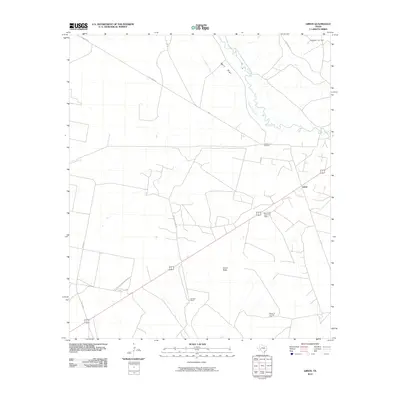 2010 Girvin2010 Print · USGSThe Pecos County landscape around the settlement of Girvin appears in 2010 as a convergence of ranching life and the energy industry. Genealogists and researchers can trace local family landmarks such as Helmers Ranch and the Girvin Cemetery.
 - 2010 Map of Girvin NE, 2010 Print
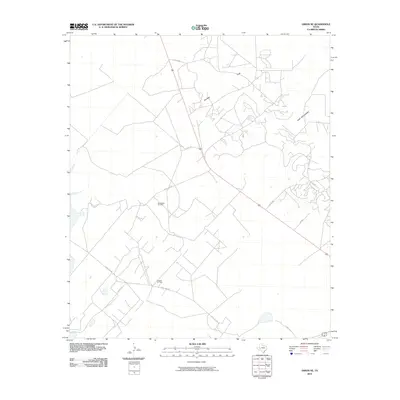 2010 Girvin NE2010 Print · USGSTexas oil production and high-desert terrain meet in Crane County during this 2010 survey. Researchers can trace the extensive network of service roads and industrial sites including the Roberdeau Oil Field, Spudder Flats, and King Mountain.
 - 2010 Map of Girvin SE, 2010 Print
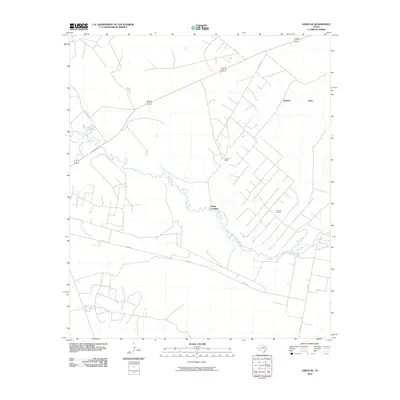 2010 Girvin SE2010 Print · USGSPecos County was a landscape of remote ranching and energy extraction during the early 2000s. Researchers can trace the river-centered geography of the Johnson Ranch, the industrial footprint of the El Cinco Oil Field, and the Adobe Crossing.
 - 2010 Map of Girvin NW, 2010 Print
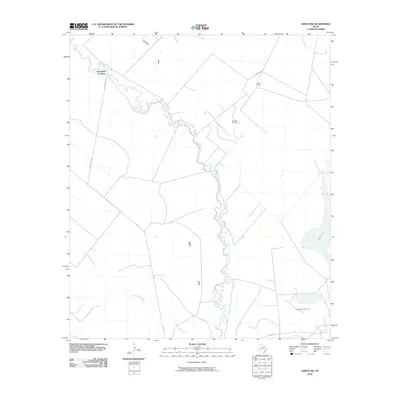 2010 Girvin NW2010 Print · USGSThe Pecos River valley in West Texas was defined by its cattle crossings and oil production in the early 2000s. Researchers can trace the legacy of the Goodnight-Loving Trail at Horsehead Crossing or locate the Bayview Oil Field and Soda Lake.
 - 2010 Map of Buena Vista NE, 2010 Print
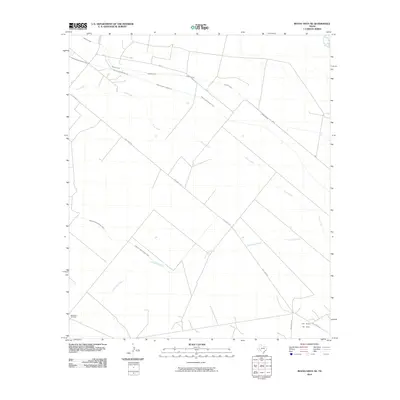 2010 Buena Vista NE2010 Print · USGSPecos County's arid landscape was defined by petroleum extraction and complex irrigation systems during the early twenty-first century. Researchers can trace historical routes like Old Girvin Rd or examine the water networks of the Highline Canal and Sun Valley Oil Field.
 - 2010 Map of Castle Gap, 2010 Print
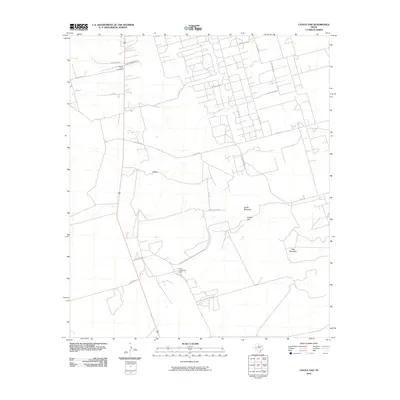 2010 Castle Gap2010 Print · USGSCrane County in the early twenty-first century is a landscape defined by the energy industry and historic desert passages. Genealogists and historians can trace local landmarks like County South Cemetery and the storied Castle Gap between the mesas.
 - 2010 Map of Ozark Lake, 2010 Print
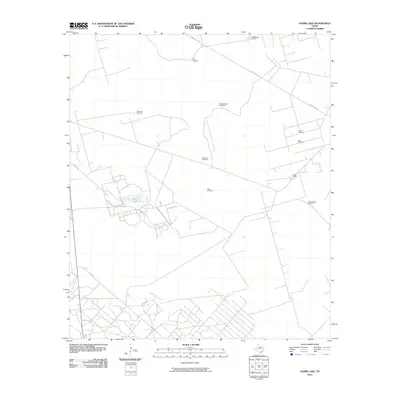 2010 Ozark Lake2010 Print · USGSCrane County ranching culture is on full display here in the early 21st century, showing a landscape defined by water and wind. Researchers can trace the layout of family landmarks like Estes Ranch and numerous named sites including Gyp Flats Windmill and Ozark Lake.
 - 2010 Map of Cowden Place, 2010 Print
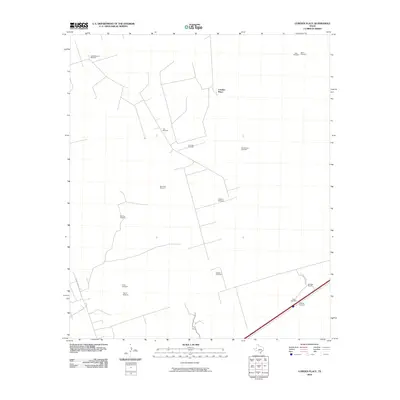 2010 Cowden Place2010 Print · USGSWest Texas ranching and oil extraction intersect in this 2010 survey of Winkler County. Researchers can trace the layout of the Arenosa Oil Field and locate numerous named water features such as Little Diamond Windmill, Coyote Windmill, and Cowden Place.
 - 2010 Map of Penwell SE, 2010 Print
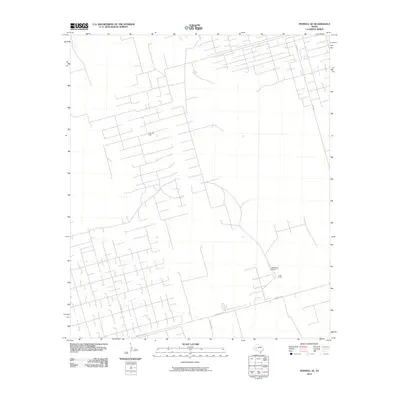 2010 Penwell SE2010 Print · USGSCrane County at the start of the millennium is a landscape of industrial precision and ranching heritage. Local history researchers can trace the extensive service networks of the C Bar Oil Field and locate landmarks like the J Bar Ranch and J-Bar Ranch Airport.
 - 2010 Map of Imperial NW, 2010 Print
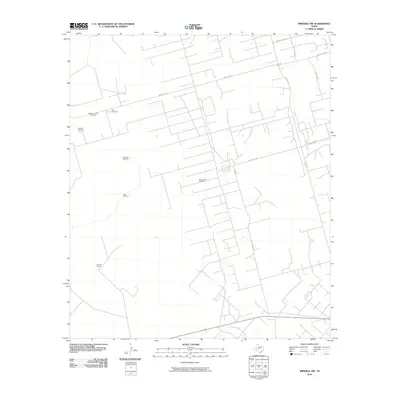 2010 Imperial NW2010 Print · USGSCrane County ranching and oil production meet in the early twenty-first century along a network of industrial corridors. Researchers can trace land use through local landmarks like Ell Long Ranch and named service routes such as Exxon Loop and Jim Tubbs Rd.
 - 2010 Map of Penwell, 2010 Print
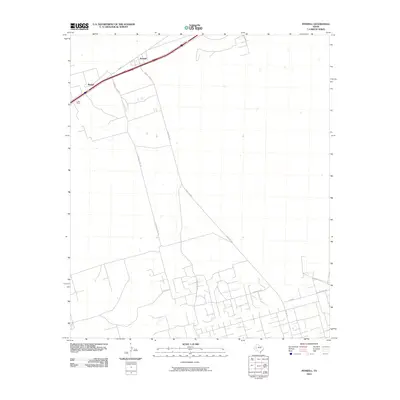 2010 Penwell2010 Print · USGSThe West Texas oil and ranching corridor near Penwell is shown here in the early twenty-first century. Researchers can trace land use patterns and local industry via S Texaco Plant Rd, the settlement at Badger, and the C-Bar Ranch.
 - 2010 Map of Doodle Bug Well, 2010 Print
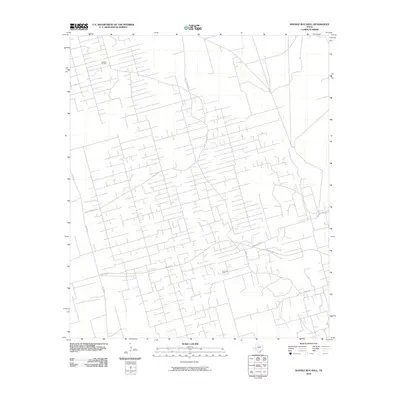 2010 Doodle Bug Well2010 Print · USGSTexas oil country in the early twenty-first century is captured here as a grid of industrial activity and energy production. Researchers can trace the extensive service road networks and field boundaries of the Waddell Oil Field and Dune Oil Field.
 - 2010 Map of Tubbs Corner, 2010 Print
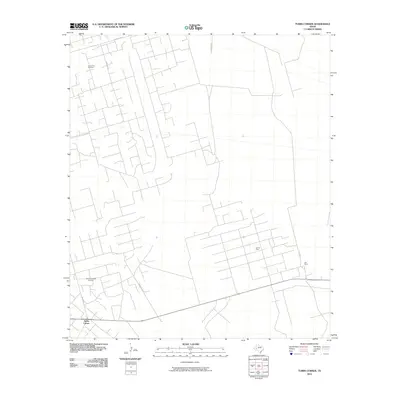 2010 Tubbs Corner2010 Print · USGSCrane County's energy landscape is captured here in the early 2000s, showing a grid of industrial roads and ranching outposts. Researchers can trace the layout of the Sand Hills Oil Field and locate landmarks like Tubbs Corner or the Lea Ranch.
 - 2010 Map of Monahans SE, 2010 Print
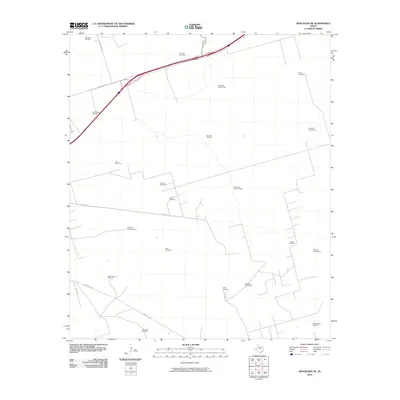 2010 Monahans SE2010 Print · USGSMonahans in the late 2000s shows a working landscape where the oil industry meets historic ranching grounds. Researchers can trace land use through named water features like HighLonesome Windmill and petroleum production at the Janelle Oil Field.
 - 2010 Map of Crane SW, 2010 Print
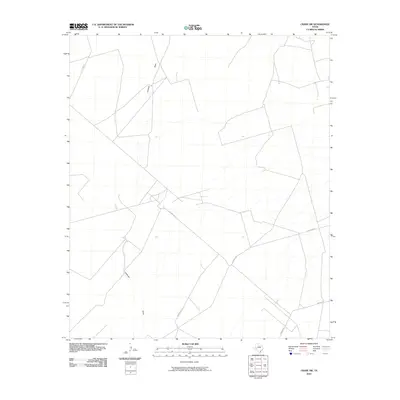 2010 Crane SW2010 Print · USGSCrane County at the start of the 2010s shows a landscape intricately carved by oil-field access and the seasonal flow of the West Texas draws. Trace the reach of S Exxon Rd or follow the natural paths of Landreth Draw and Horsehead Draw.
 - 2010 Map of Penwell SW, 2010 Print
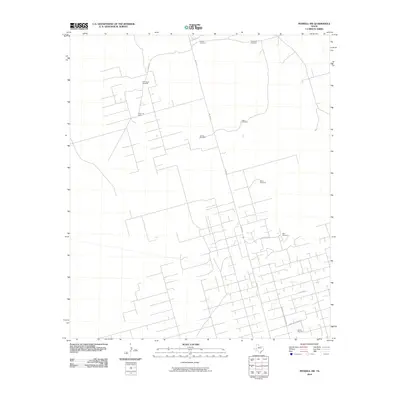 2010 Penwell SW2010 Print · USGSCrane County ranching and energy production intersect in this early twenty-first-century survey of the West Texas plains. Researchers can trace the layout of the Armer Oil Field alongside rural landmarks like the Old House Windmill and Red Windmill.
 - 2010 Map of Crane, 2010 Print
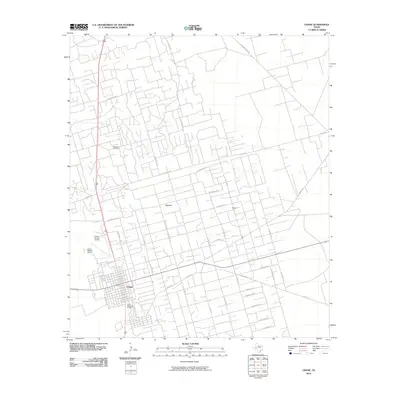 2010 Crane2010 Print · USGSCrane County at the start of the 2010s shows a landscape defined by the Permian Basin oil industry and cattle ranching. Trace the industrial network of the McElroy Oil Field and find family-named landmarks like Mayfield and the McElroy Ranch Rd.
 - 2010 Map of Metz, 2010 Print
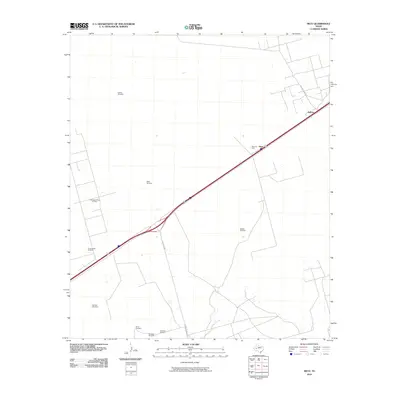 2010 Metz2010 Print · USGSEctor County's energy and ranching landscapes are captured here as they appeared in the early 2000s. Researchers can locate named landmarks like the Yarbrough Allen Oil Field and several family-named wells including McClain Windmill.
 - 2010 Map of Grandfalls, 2010 Print
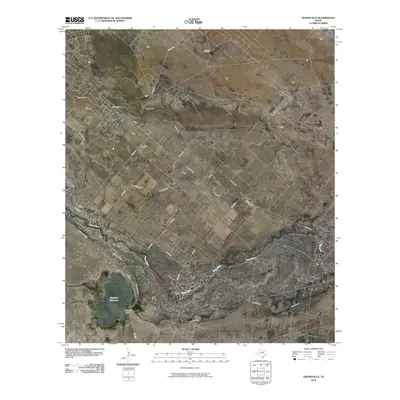 2010 Grandfalls2010 Print · USGSGrandfalls and the surrounding West Texas oil fields are captured here during a period of modern irrigation and energy production. Genealogists and researchers can trace local landmarks like Tamarisk Cemetery or follow the path of the Pecos River and Grandfalls Canal.
 - 2010 Map of Clark Brothers Ranch, 2010 Print
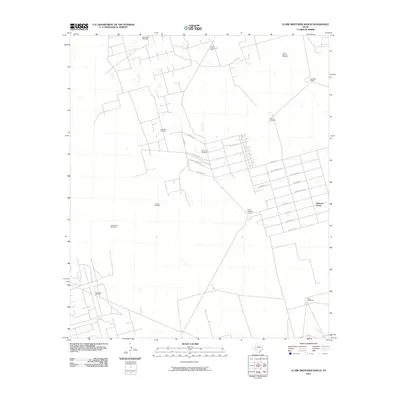 2010 Clark Brothers Ranch2010 Print · USGSPleasant Farms and the surrounding Ector County ranchlands are shown in detail during the early twenty-first century. Researchers can trace the layout of the South Cowden Oil Field and locate family-named landmarks like Rodman Ranch and the Simms Windmill.
 - 2010 Map of Crane NW, 2010 Print
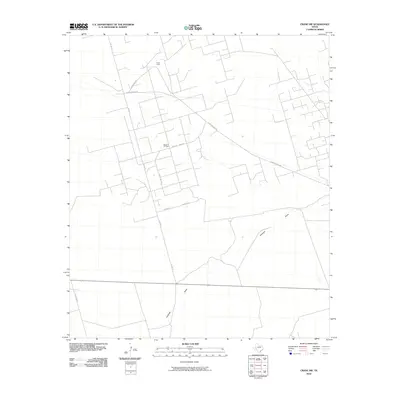 2010 Crane NW2010 Print · USGSIn the heart of West Texas oil country during the early twenty-first century, this landscape is defined by energy extraction and remote desert outposts. Researchers can trace the infrastructure of the Block 31 Oil Field and follow roads like Sand Camp Rd to the settlement at Sand Camp.
 - 2010 Map of South Cowden Ranch, 2010 Print
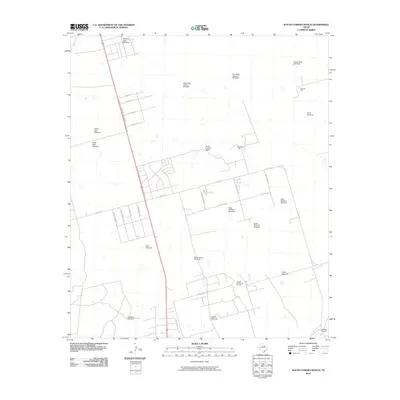 2010 South Cowden Ranch2010 Print · USGSTexas ranching meets the Permian Basin oil boom in this study of the landscape south of Odessa. Genealogists and historians can locate family-named landmarks like the South Cowden Ranch and dozens of specific water features such as the Hillbilly Windmill and Sheep Camp Windmill.
 - 2010 Map of Imperial, 2010 Print
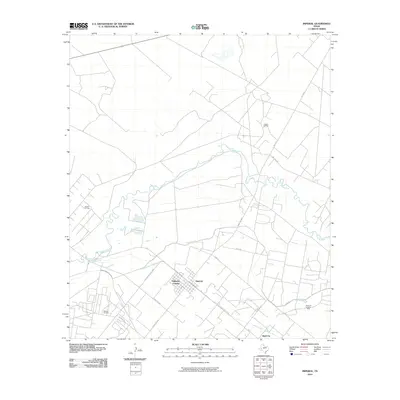 2010 Imperial2010 Print · USGSImperial and the Pecos River valley appear in the early twenty-first century as a landscape shaped by water engineering and oil production. Researchers can trace the layout of Imperial Colonia and Abell City or locate industrial sites like the Tucker Oil Field and Malicky Oil Field.
 - 2010 Map of Juan Cordona Lake, 2010 Print
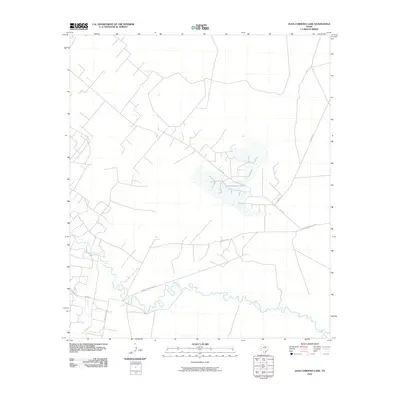 2010 Juan Cordona Lake2010 Print · USGSPecos County's arid river valley and industrial landscape are captured here in the early twenty-first century. Researchers can trace the winding Pecos River and the infrastructure around Juan Cordona Lake, including S Exxon Rd.
 - 2010 Map of Perkins Lake, 2010 Print
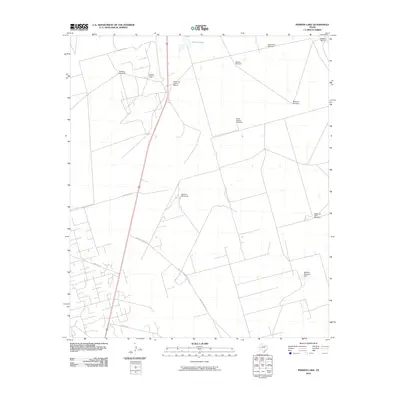 2010 Perkins Lake2010 Print · USGSCrane County ranching and energy operations are documented here in the early 2000s. Researchers can trace land use through the infrastructure of the Concho Bluff Oil Field and numerous named water sources like Dawson Windmills and Perkins Lake.
Showing maps 1-25 of 125
Top cities of Crane County
Frequently asked questions
- What are the different types of historical maps available for Crane County?
- What is the oldest map of Crane County?
- Where can I purchase historical maps of Crane County for my home or office?
- Where can I download high-res historical maps of Crane County?
- Are there historical topographic maps available for Crane County?
- Is there historical aerial imagery available for Crane County?
- Where are historical maps of Crane County sourced from?