1980s Maps of Arizona
Explore 727 historic maps of Arizona from the 1980s. These maps offer a rare glimpse into what life looked like during the 1980s — showing old roads, neighborhoods, homes, and landmarks that have changed or disappeared over time.
Whether you're researching your family's past, planning a metal detecting trip, or studying how Arizona's landscape evolved across the 1980s, these high-resolution maps are a powerful tool for exploring the history of this region.
- Focus on a specific era: All maps on this page are from the 1980s, giving you a focused view of this time period.
- See what’s changed: Compare century-old streets, trails, and buildings to today's modern landscape using overlays and satellite layers.
- Research with precision: Use these maps for genealogy, historical research, land use analysis, or educational projects.
- View, download, or print: Maps are fully viewable online in high resolution, and can be downloaded or printed for your own records.
Start exploring Arizona's history through authentic maps from the 1980s. This is your window into the past.
Arizona maps
(727)- 1980 Map of Fort Rock Ranch
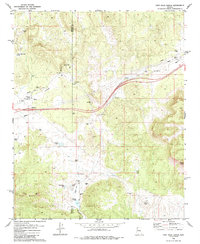 1980 Fort Rock Ranch1980 Print · USGSArizona's ranching frontier at the border of Mohave and Yavapai counties is detailed in the late 1970s. Trace local history through family-named landmarks like Carl F Well and Fort Rock Ranch, or locate remote Ruins and a lone Grave.2 unique versions available
 - 1980 Map of Anvil Rock Ranch
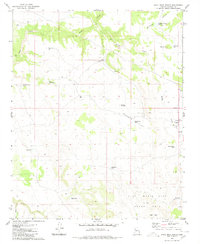 1980 Anvil Rock Ranch1980 Print · USGSYavapai County ranching country is captured here during the 1980s, centered on the historic Luis Maria Baca Float No 5 land grant. Researchers can trace remote water sources and landmarks like the Anvil Rock Ranch, Badger Flat Windmill, and One More Day Tank.
 - 1980 Map of Hogan Well
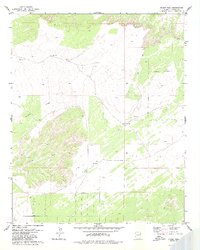 1980 Hogan Well1980 Print · USGSApache County high desert ranching and resource extraction come into focus in this late twentieth-century survey. Trace the network of desert life through remote outposts like Hogan Well, the rugged Puerco Ridge, and the winding Milky Wash.
 - 1980 Map of Mount Hope
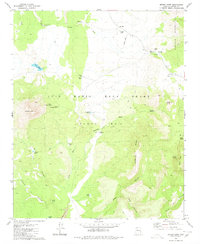 1980 Mount Hope1980 Print · USGSArizona's cattle country in the 1980s is defined here by the massive Luis Maria Baca Grant Float No 5 and its rugged ranching infrastructure. Researchers can locate the historic O Ro Ranch, several remote outposts like Sandstone Camp, and vital water sources including Muddy Mill.
 - 1980 Map of Robbers Roost Canyon
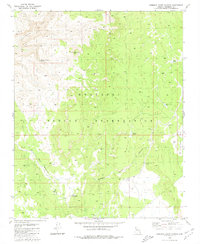 1980 Robbers Roost Canyon1980 Print · USGSThe Hualapai Indian Reservation in northern Arizona is shown here in the late 1970s, defined by its high plateaus and deep canyons. Researchers can trace the rugged topography and water management systems at landmarks like the Tower of Babylon and Diamond Creek Spring.
 - 1980 Map of Pilot Knob
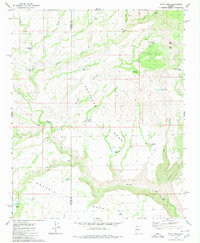 1980 Pilot Knob1980 Print · USGSThe high desert border of Mohave and Yavapai counties is captured here in the late seventies, showing a landscape shaped by ranching and remote outposts. Researchers can locate named ranch sites like Old Cofer Hdqrs and water sources such as Devils Bathtub and Pilot Knob Spring.
 - 1980 Map of Cherokee Point
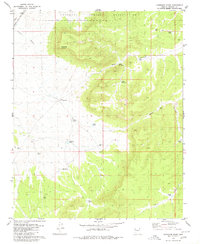 1980 Cherokee Point1980 Print · USGSThe northern edge of the Hualapai lands meets the high-desert plateaus of Mohave County during the late twentieth century. Genealogists and historians can trace the vital ranching infrastructure of the day, from the Atchison Topeka and Santa Fe line to local landmarks like Cherokee Point and North Blye Tank.
 - 1980 Map of Anvil Rock
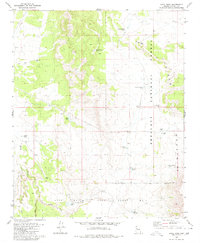 1980 Anvil Rock1980 Print · USGSHigh-desert ranching and historic land grants define this Yavapai County landscape in the early eighties. Genealogists and local historians can trace family-named water sources like Henry Brown Tank and explore the unique boundaries of the Luis Maria Baca Float No 5.
 - 1980 Map of Grayback Mts.
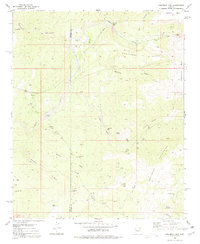 1980 Grayback Mts.1980 Print · USGSThe Mohave and Yavapai county line was a landscape of remote prospecting and cattle tanks in the late 1970s. Researchers can locate early mineral claims like the Bland Mine and Key Mine or trace water sources like Coors Well and Agate Well.
 - 1980 Map of Elephant Mtn
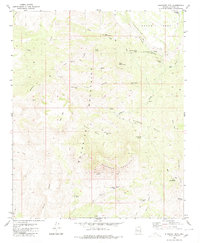 1980 Elephant Mtn1980 Print · USGSThe Aquarius Mountains were a hub of remote ranching activity in the early 1980s, defined by a network of essential water sources. Researchers can trace the movement of early residents through named landmarks like Sycamore Camp, Trinidad Well, and Arrowweed Springs.
 - 1980 Map of Sunrise Peak
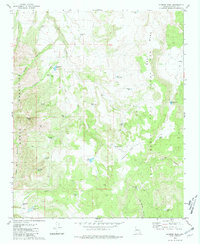 1980 Sunrise Peak1980 Print · USGSYavapai County ranching country is mapped here in the early 1980s, centered on the high ridges of the Mohon Mountains. Researchers can trace the legacy of Spanish land grants at Luis Maria Baca Float No 5 and locate remote outposts like Tri N Camp and Bear Creek Camp.
 - 1980 Map of Alamo Spring
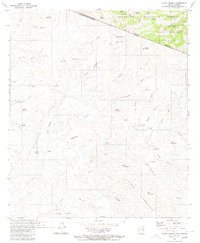 1980 Alamo Spring1980 Print · USGSThe Arizona-Mexico border landscape is documented here in the early 1980s, showcasing the high-desert terrain of the Pajarito Mountains. Local historians can trace named ranch sites and water tanks from Rancho and Los Adobes to the remote Alamo Spring.
 - 1980 Map of Rose Well Camp West
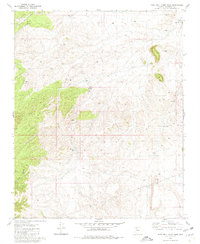 1980 Rose Well Camp West1980 Print · USGSThe northern Arizona plateau and the Hualapai Indian Reservation appear in the early 1980s as a landscape of remote cattle camps. Researchers can trace the network of watering tubs and tanks, from Rose Well Camp to Owen Dam and Tub No 2.
 - 1980 Map of Cross Mountain
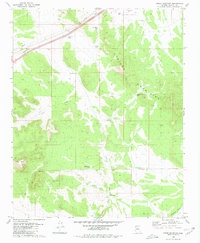 1980 Cross Mountain1980 Print · USGSThe high ranching country of Yavapai County is captured here in the early 1980s. Researchers can trace historic water management and land use through features like Cross Mountain Dam, Pickett Coral, and family-named landmarks such as Hoggy John Tank.
 - 1980 Map of Hildale
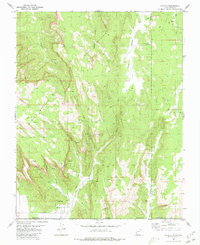 1980 Hildale1980 Print · USGSThe borderlands of Utah and Arizona are captured here in the late seventies, showing the development of Hildale against the Vermilion Cliffs. Follow old routes like the Pack Trail to find backcountry water sources like Cappies Rock Spring and Goat Springs.2 unique versions available
 - 1980 Map of Kaiser Spring
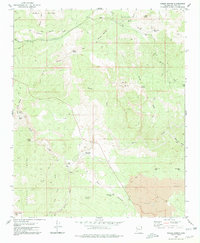 1980 Kaiser Spring1980 Print · USGSThe high desert of Mohave County was a landscape of remote mining and ranching when this survey was updated in the late seventies. Researchers can trace the rugged topography of the Poachie Range and find isolated sites like Shipp Ranch, Burro Mine, and Andys Hole.2 unique versions available
 - 1980 Map of Cedar Basin
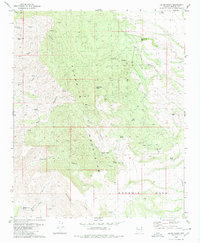 1980 Cedar Basin1980 Print · USGSThe Aquarius Mountains and Goodwin Mesa define this high-desert ranching landscape in the early 1980s. Researchers can trace remote water sources and cattle infrastructure at Cedar Basin Camp, Sunburn Windmill, and Willow Springs Well.
 - 1980 Map of Bull Spring
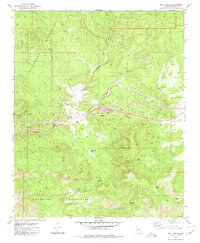 1980 Bull Spring1980 Print · USGSThe high desert of Mohave County is documented here in 1980, showing a landscape shaped by water rights and ranching. Genealogists and historians can trace essential water sources from Knight Creek Spring to White Rock Tank and the infrastructure at Lookout.2 unique versions available
 - 1980 Map of Squaw Peak
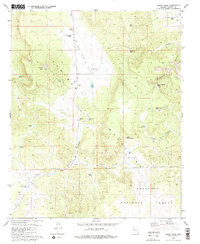 1980 Squaw Peak1980 Print · USGSHigh in the Juniper Mountains during the late seventies, this survey captures a landscape defined by ranching and forest management. Researchers can trace land use through features like H-Ranch, the Red Lake Well, and numerous named water catchments such as Big Purcell Tank.2 unique versions available
 - 1980 Map of Elephant Butte
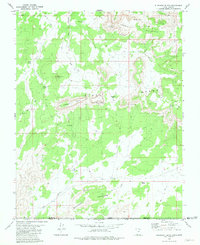 1980 Elephant Butte1980 Print · USGSThe Utah and Arizona borderlands come into focus in the 1970s, showing a high-desert landscape divided by the Kaibab Indian Reservation Bdy. Researchers can locate vital water sources like Wyatt Spring and trace travel routes along a Jeep Trail through Elephant Gap.
 - 1980 Map of Tuckayou Spring
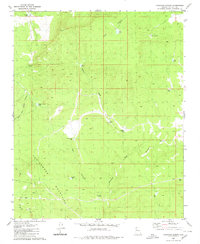 1980 Tuckayou Spring1980 Print · USGSIn the high Mohave desert during the late seventies, this survey captures a landscape defined by ranching water works and the Cottonwood Mountains. Researchers can locate remote cattle tanks like Hazen Tank and trace early routes such as the Jeep Tr near Tuckayou Spring.
 - 1980 Map of Tinajas Altas Mts
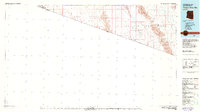 1980 Tinajas Altas Mts1980 Print · USGSThe Arizona-Sonora borderlands come into focus in the early eighties, showing a landscape shaped by military use and extreme desert terrain. Researchers can trace the Jeep Trail through the Tinajas Altas Mountains or locate the Smith Mine and San Luis Landing Field.2 unique versions available
 - 1980 Map of Penitentiary Mtn
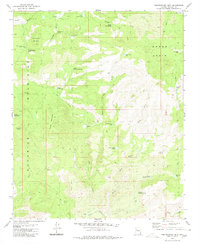 1980 Penitentiary Mtn1980 Print · USGSThe Aquarius Mountains of western Arizona are mapped here in the late seventies, showing a landscape of high mesas and remote ranching outposts. Researchers can trace early water infrastructure and land use via the Ruth Cowden Well, Paso Robles Well, and Penitentiary Mountain.
 - 1980 Map of Burro Mesa
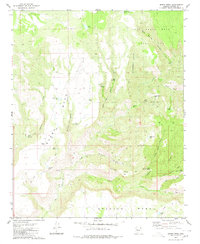 1980 Burro Mesa1980 Print · USGSYavapai County ranching country is documented here during the late twentieth century, showing the critical water sources of the high mesas. Researchers can trace the Burro Trail, locate remote Ruins, and find named livestock tanks like Lovelace Tank and Suicide Tank.2 unique versions available
 - 1980 Map of Red Butte SW
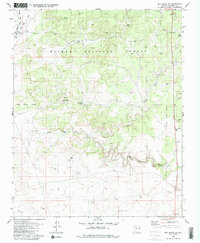 1980 Red Butte SW1980 Print · USGSCoconino County high country in the 1970s and early 1980s reveals a landscape of cattle ranching and rail history within the Kaibab National Forest. Trace the old rail stop at Anita Station or locate mining sites like the Copper Queen Mine and various Prospects.2 unique versions available
Showing maps 1-25 of 727
Top cities of Arizona
- Phoenix historical maps
- Tucson historical maps
- Mesa historical maps
- Chandler historical maps
- Glendale historical maps
- Scottsdale historical maps
See more
Top counties of Arizona
- Maricopa County historical maps
- Pima County historical maps
- Pinal County historical maps
- Yavapai County historical maps
- Mohave County historical maps
- Coconino County historical maps
See more
Frequently asked questions
- What are the different types of historical maps available for Arizona?
- What is the oldest map of Arizona?
- Where can I purchase historical maps of Arizona for my home or office?
- Where can I download high-res historical maps of Arizona?
- Are there historical topographic maps available for Arizona?
- Is there historical aerial imagery available for Arizona?
- Where are historical maps of Arizona sourced from?