2000s (21st Century) Maps of Oldham County, Texas
Explore 180 historic maps of Oldham County from the 2000s (21st Century). These maps offer a rare glimpse into what life looked like during the 2000s — showing old roads, neighborhoods, homes, and landmarks that have changed or disappeared over time.
Whether you're researching your family's past, planning a metal detecting trip, or studying how Oldham County's landscape evolved across the 2000s, these high-resolution maps are a powerful tool for exploring the history of this region.
- Focus on a specific era: All maps on this page are from the 2000s, giving you a focused view of this time period.
- See what’s changed: Compare century-old streets, trails, and buildings to today's modern landscape using overlays and satellite layers.
- Research with precision: Use these maps for genealogy, historical research, land use analysis, or educational projects.
- View, download, or print: Maps are fully viewable online in high resolution, and can be downloaded or printed for your own records.
Start exploring Oldham County's history through authentic maps from the 2000s. This is your window into the past.
Oldham County, TX maps
(180)- 2010 Map of Everett, 2010 Print
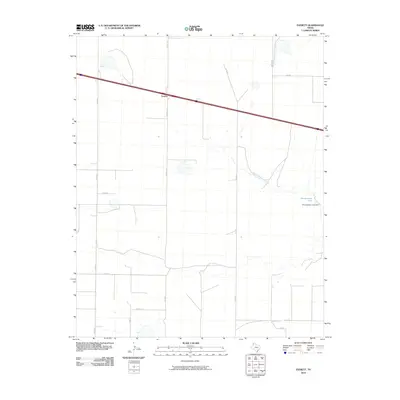 2010 Everett2010 Print · USGSThe High Plains of the Texas panhandle appear here in the early twenty-first century, showing the rural grid and water resources of Oldham County. Researchers can trace local landmarks like Montgomery Lake, the Montgomery Lake Dam, and the small settlement of Everett.
 - 2010 Map of Jay Taylor Ranch, 2010 Print
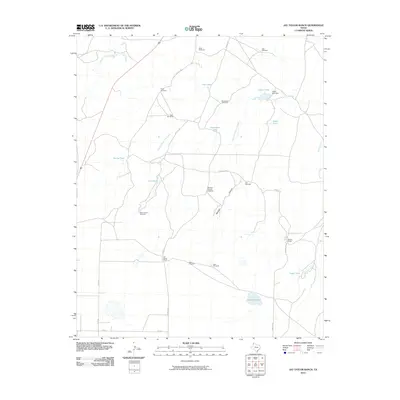 2010 Jay Taylor Ranch2010 Print · USGSThe ranchlands of Oldham County are captured here in the early twenty-first century, showing the essential infrastructure of Panhandle cattle country. Researchers can trace land use through family-named sites like Jay Taylor Ranch and a dense network of water features such as Taylor Lake and Salt Windmill.
 - 2010 Map of Bivins Channing Ranch, 2010 Print
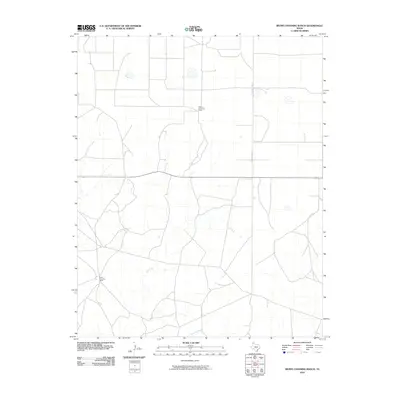 2010 Bivins Channing Ranch2010 Print · USGSMoore County ranching country is documented here in the early 2000s, showcasing the organized landscape of the Texas Panhandle. Researchers can trace land divisions and local water sources like Rica Creek and the Bivins Channing Ranch.
 - 2010 Map of Halfway Creek, 2010 Print
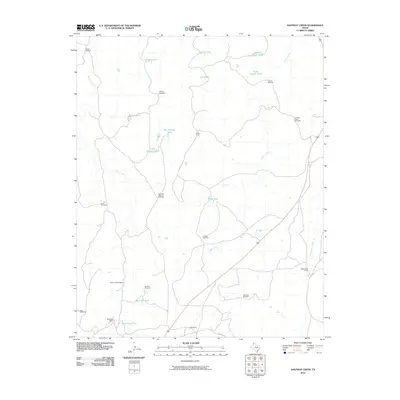 2010 Halfway Creek2010 Print · USGSRanching infrastructure defines this part of the Texas Panhandle in the early twenty-first century, where water is the primary currency of the land. Researchers can trace the layout of functional outposts and water sources including Mansfield Ranch, Parker Camp, and the Leaning Tower Windmill.
 - 2010 Map of Channing, 2010 Print
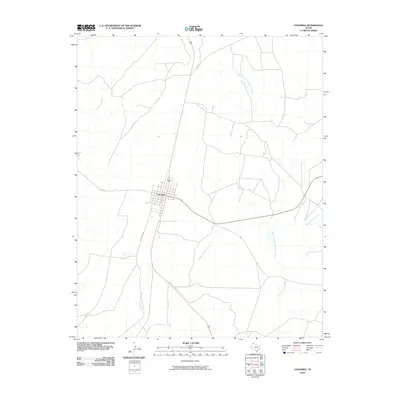 2010 Channing2010 Print · USGSThe Texas Panhandle town of Channing is shown here in the early twenty-first century, anchored by its grid of streets and regional highway connections. Researchers can trace the local water network through West Cheyenne Creek, Middle Cheyenne Creek, and Los Redos Creek.
 - 2010 Map of Channing NW, 2010 Print
 2010 Channing NW2010 Print · USGSHartley County at the start of the 2010s shows a landscape defined by its essential water sources and rural road networks. Researchers can trace the courses of Rita Blanca Creek or find local ranching landmarks like Flats Windmill.
 - 2010 Map of Ady, 2010 Print
 2010 Ady2010 Print · USGSPotter County ranchlands are captured here in the early twenty-first century as the Canadian River flows north of established cattle hubs. Researchers can locate specific water improvements and outposts like Eagle Camp, LS Ranch, and Rheumatism Tank.
 - 2010 Map of Boys Ranch West, 2010 Print
 2010 Boys Ranch West2010 Print · USGSThe High Plains along the Canadian River are documented here in the early 21st century, centered on the historic cattle country of the Texas Panhandle. Researchers can locate the site of Tascosa and its famous Boot Hill Cemetery, alongside ranching landmarks like Hollicott Camp and Fulton Ranch.
 - 2010 Map of Humdinger Spring, 2010 Print
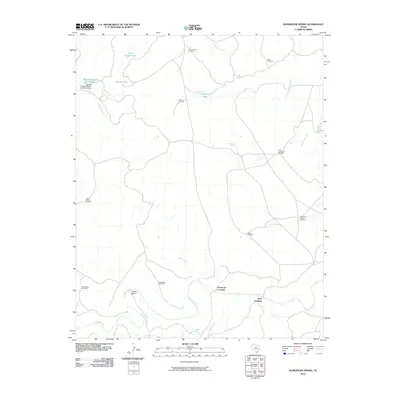 2010 Humdinger Spring2010 Print · USGSIn the cattle-ranching country of the Texas Panhandle during the early twenty-first century, this landscape was defined by its water sources. Researchers can trace the river fords at Partwood Crossing and Strip Crossing or locate landmarks like Humdinger Spring and High Lonesome Windmill.
 - 2010 Map of Torrey House, 2010 Print
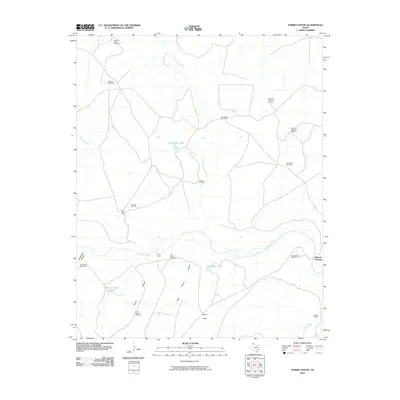 2010 Torrey House2010 Print · USGSRanching life in the Texas Panhandle is detailed here in the years following the millennium, centered on the Canadian River valley. Researchers can trace historic water sources and ranch sites like Torrey House, Hollicott Crossing, and Isabelle Camp.
 - 2010 Map of Moser Ranch, 2010 Print
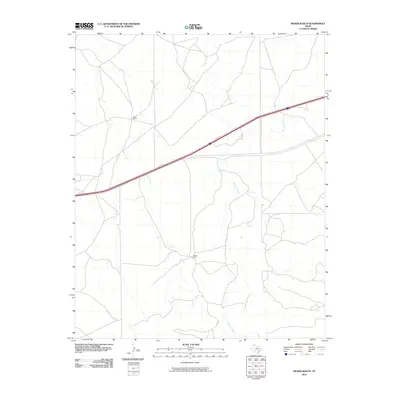 2010 Moser Ranch2010 Print · USGSThe Texas Panhandle ranching country is captured here in the decade following the turn of the millennium. Local historians and land researchers can trace the rural infrastructure surrounding Moser Ranch, Ralls Ranch, and the drainages of Mujares Creek.
 - 2010 Map of Romero SE, 2010 Print
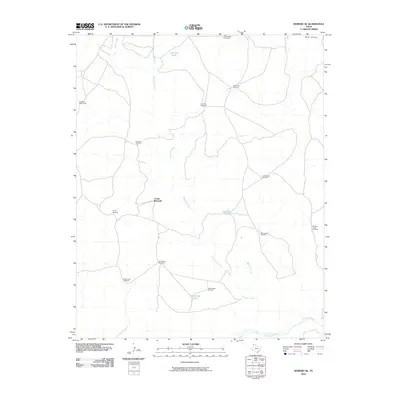 2010 Romero SE2010 Print · USGSOldham County ranch lands are shown at the start of the 21st century, revealing a landscape defined by water management and vast Texas acreage. You can trace the path of the Canadian River and locate historic landmarks like the Old Santa Fe Windmill and East Chavez Windmill.
 - 2010 Map of Landergin, 2010 Print
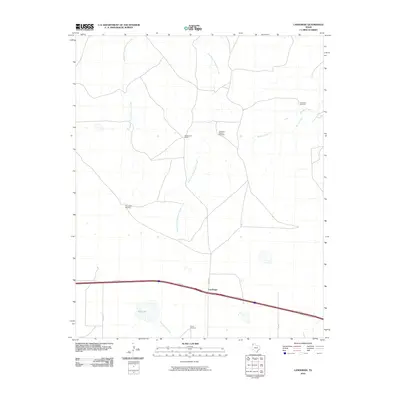 2010 Landergin2010 Print · USGSThe Texas Panhandle plains around Landergin are shown here as they appeared in the early twenty-first century, centered on ranching and the interstate corridor. Researchers can trace land features like the Scharbauer Ranch and unique landmarks such as the Chugwater Windmill.
 - 2010 Map of Big George Tank, 2010 Print
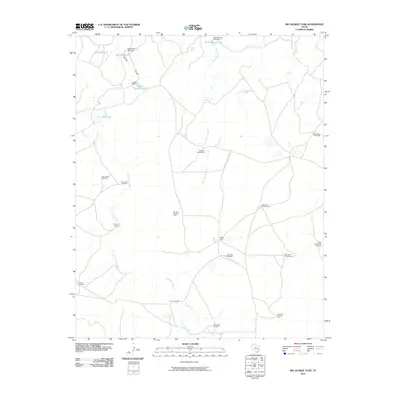 2010 Big George Tank2010 Print · USGSThe cattle country of the Texas Panhandle is captured here just after the turn of the millennium. Researchers can trace essential ranching infrastructure through named sites like George Camp, Matador Camp, and the Cottonwood Windmill.
 - 2010 Map of Signal Spring, 2010 Print
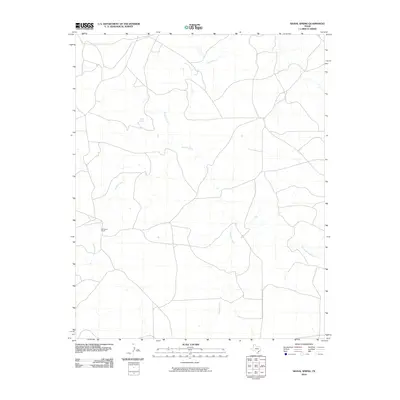 2010 Signal Spring2010 Print · USGSOldham County ranch lands are documented here in the early twenty-first century, showing a landscape defined by deep draws and vital water sources. Researchers can trace the path of Trujillo Creek or locate the historic Windham Ranch and Signal Spring.
 - 2010 Map of Many Post Camp, 2010 Print
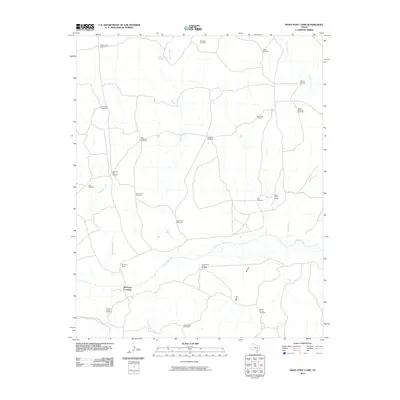 2010 Many Post Camp2010 Print · USGSOldham County ranching country is captured here during the early twenty-first century as a landscape of cattle camps and river crossings. Researchers can trace the network of named water sources like Oil Well Spring, Old Farm Crossing, and Many Post Camp across the plains.
 - 2010 Map of Adrian, 2010 Print
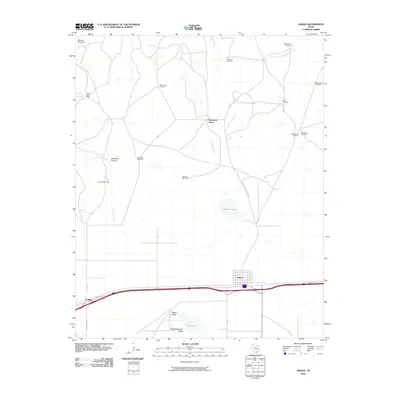 2010 Adrian2010 Print · USGSThe High Plains of the Texas Panhandle are captured here in the early twenty-first century as ranching life and modern transport intersect. Researchers can trace the layout of Adrian and Gruhlkey while locating family-named landmarks like Wimberly Place or Dead Man Windmill.
 - 2010 Map of Simms NW, 2010 Print
 2010 Simms NW2010 Print · USGSDeaf Smith County in the early twenty-first century remains a landscape of vast agricultural grids and rural road networks. Researchers can trace the layout of section lines and local thoroughfares like Gruhlkey Rd, Co Rd Pp, and Co Rd 21.
 - 2010 Map of Proctor Ranch, 2010 Print
 2010 Proctor Ranch2010 Print · USGSHartley County ranching life is documented here in the early twenty-first century, showcasing a landscape shaped by water and wire. Researchers can locate named landmarks and water sources like Proctor Ranch, Punta de Agua Creek, and the Ortiz Windmill.
 - 2010 Map of Signal Spring SE, 2010 Print
 2010 Signal Spring SE2010 Print · USGSOldham County ranch lands in the early twenty-first century reveal a landscape defined by water management and open range. Trace the winding Agua de Piedra Creek to local landmarks like Paint Rock and the remote Deep Well Windmill.
 - 2010 Map of Simms NE, 2010 Print
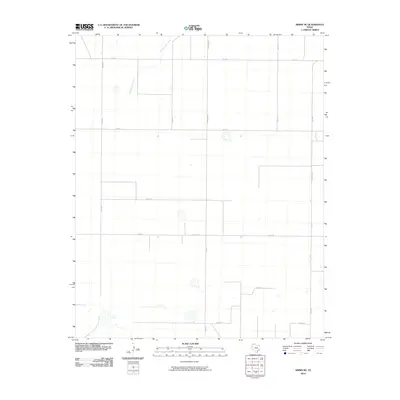 2010 Simms NE2010 Print · USGSDeaf Smith County is shown at a time of continued agricultural production within its rigid section-line grid. Researchers can trace the path of Cottonwood Creek and the connectivity provided by routes like Landergin Rd and Fm 3319.
 - 2010 Map of Boise, 2010 Print
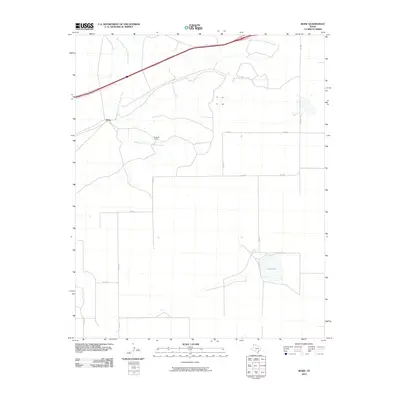 2010 Boise2010 Print · USGSThe Texas Panhandle ranching country near Boise is captured here in the early twenty-first century. Researchers can trace the layout of family-run operations like Bridwell Ranch and remote landmarks such as Hay Lake and West Strip East Fork Mujares Creek.
 - 2010 Map of Vega South, 2010 Print
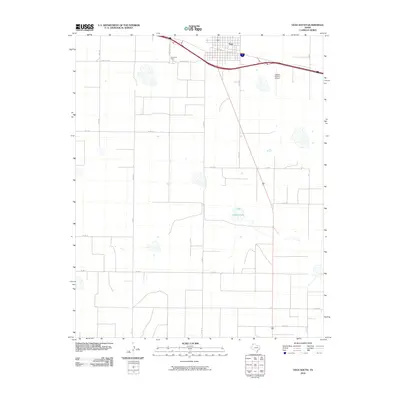 2010 Vega South2010 Print · USGSThe high plains of the Texas Panhandle near the turn of the decade show a landscape defined by ranching and the transit corridor of I-40. Researchers can trace the local infrastructure of Vega and the rural road network including Cemetery Rd and the Oldham County Airport.
 - 2010 Map of Torrey Peak, 2010 Print
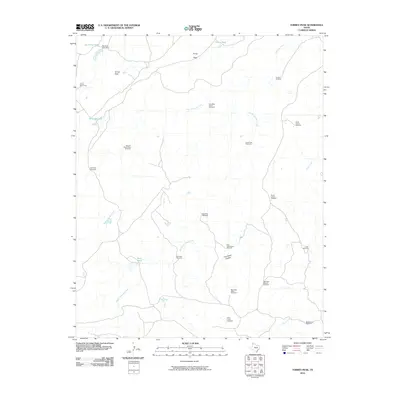 2010 Torrey Peak2010 Print · USGSThe ranchlands of the Texas Panhandle remained a landscape of remote outposts and essential water sources in the early twenty-first century. Researchers can trace the rugged drainage of The Cedar Brakes and locate historic sites like Torrey Peak Camp and Lost Cabin Windmill.
 - 2010 Map of Trujillo Camp, 2010 Print
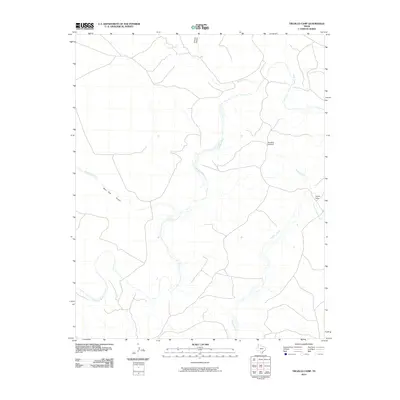 2010 Trujillo Camp2010 Print · USGSTexas Panhandle ranching country is documented here in the early twenty-first century, showing the remote landscape of Oldham County. Researchers can trace land use through features like Trujillo Camp, Boydstun Windmill, and the winding course of Trujillo Creek.
Showing maps 1-25 of 180
Top cities of Oldham County
Frequently asked questions
- What are the different types of historical maps available for Oldham County?
- What is the oldest map of Oldham County?
- Where can I purchase historical maps of Oldham County for my home or office?
- Where can I download high-res historical maps of Oldham County?
- Are there historical topographic maps available for Oldham County?
- Is there historical aerial imagery available for Oldham County?
- Where are historical maps of Oldham County sourced from?