1960s Maps of North Carolina
Explore 252 historic maps of North Carolina from the 1960s. These maps offer a rare glimpse into what life looked like during the 1960s — showing old roads, neighborhoods, homes, and landmarks that have changed or disappeared over time.
Whether you're researching your family's past, planning a metal detecting trip, or studying how North Carolina's landscape evolved across the 1960s, these high-resolution maps are a powerful tool for exploring the history of this region.
- Focus on a specific era: All maps on this page are from the 1960s, giving you a focused view of this time period.
- See what’s changed: Compare century-old streets, trails, and buildings to today's modern landscape using overlays and satellite layers.
- Research with precision: Use these maps for genealogy, historical research, land use analysis, or educational projects.
- View, download, or print: Maps are fully viewable online in high resolution, and can be downloaded or printed for your own records.
Start exploring North Carolina's history through authentic maps from the 1960s. This is your window into the past.
North Carolina maps
(252)- 1960 Map of Manteo
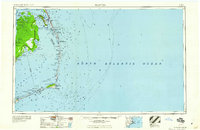 1960 Manteo1960 Print · USGSThe Outer Banks and Dare County in the early sixties reveal a landscape defined by maritime tradition and shifting sands. Genealogists can trace family lines through villages like Rodanthe and Buxton or locate landmarks like Fort Raleigh and the Cape Hatteras Lighthouse.
 - 1960 Map of Knoxville
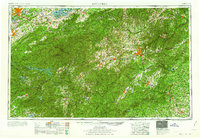 1960 Knoxville1960 Print · USGSThe Southern Appalachians come alive in the 1950s, showing the intersection of new national park tourism and deep-rooted mountain industry. Trace old rail lines like the Clinchfield RR and find high-altitude landmarks from Mt Le Conte to the Cherokee Indian Reservation.2 unique versions available
 - 1960 Map of Charlotte
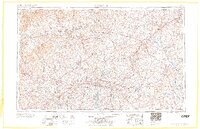 1960 Charlotte1960 Print · USGSMid-century North Carolina and South Carolina meet in this 1960 survey of the Piedmont's industrial and textile heartland. Trace the growth of Charlotte alongside historic landmarks like Kings Mountain National Military Park and the Charlotte Naval Ammunition Depot.2 unique versions available
 - 1960 Map of Spartanburg
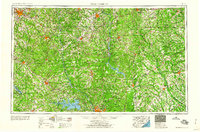 1960 Spartanburg1960 Print · USGSThe South Carolina Piedmont and North Carolina borderlands come alive in this mid-century survey of the region between Spartanburg and Columbia. Researchers can trace the Seaboard Air Line railroad and explore landmarks like Anderson Quarry, Lake Murray, and Mount Croghan.2 unique versions available
 - 1960 Map of Johnson City
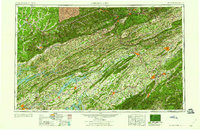 1960 Johnson City1960 Print · USGSUpper East Tennessee and the surrounding tri-state area are shown in the mid-fifties during the height of the TVA reservoir era. Trace the industrial rail lines of the Southern and Louisville and Nashville between Kingsport and Johnson City.
 - 1960 Map of Chattanooga
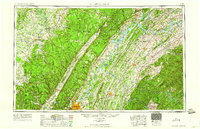 1960 Chattanooga1960 Print · USGSSoutheast Tennessee and the southern Appalachians are shown here at the height of the river-management era. You can trace the valley rail lines and locate Lookout Mountain and the expansive waters of Chickamauga Reservoir.
 - 1960 Map of Grandfather Mountain, 1961 Print
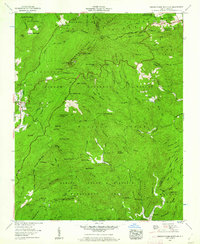 1960 Grandfather Mountain1961 Print · USGSThe High Country of Avery and Watauga counties is captured here in the early sixties, centered on the heights of Grandfather Mountain. Researchers can trace old family burial grounds like Gragg Cem and remote landmarks including Hopkins Chapel and the Mile High Swinging Bridge.5 unique versions available
 - 1960 Map of Dillon East, 1961 Print
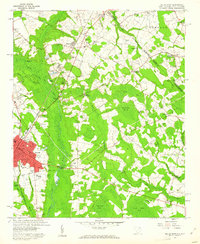 1960 Dillon East1961 Print · USGSDillon and its rural hinterlands sat at a vital railway junction just as the mid-century era was transforming the Carolina coastal plain. Researchers can trace family sites from Rose Hill Cem to Carmichael Crossroads and locate schools like Gordon High School.2 unique versions available
 - 1960 Map of Valle Crucis, 1961 Print
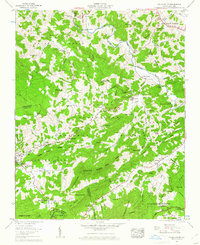 1960 Valle Crucis1961 Print · USGSWatauga and Avery Counties come alive in the early sixties, showing the high-elevation settlements and family farms of the Blue Ridge. Trace local ancestry through numerous family burial sites like Baird Cem or visit landmarks like Grace Hartley Memorial Hospital and Holy Cross Ch.4 unique versions available
 - 1960 Map of Bakersville, 1962 Print
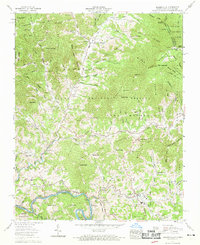 1960 Bakersville1962 Print · USGSMitchell County mountain life in the early sixties centers on the river valleys and high gaps of the Blue Ridge. Genealogists can trace family lines across dozens of small cemeteries and remote settlements like Loafers Glory, Toecane, and Buladean.3 unique versions available
 - 1960 Map of Micaville, 1962 Print
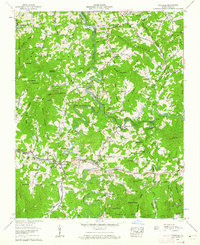 1960 Micaville1962 Print · USGSThe mountain valleys of Mitchell and Yancey counties are shown in the early sixties, as the Clinchfield rail line follows the winding North Toe River. Genealogists can trace family roots through numerous sites like Micaville, Silver Chapel, and the Sink Hole Mine.3 unique versions available
 - 1960 Map of Carvers Gap, 1962 Print
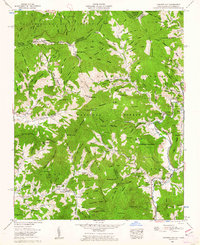 1960 Carvers Gap1962 Print · USGSThe high country of the North Carolina and Tennessee border is captured here during the early sixties, showing the Appalachian Trail as it crosses Roan Mountain. Researchers can locate family landmarks like the Ollis Cem, Glen Ayre school, and Burleson Chapel.2 unique versions available
 - 1960 Map of Celo, 1962 Print
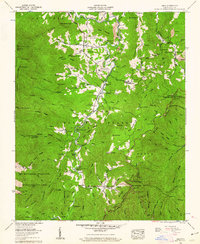 1960 Celo1962 Print · USGSYancey County's high-mountain terrain and river valley settlements are documented here in the early sixties. Genealogists and local historians can trace family locations through numerous sites like Robinson Cem, Estatoe Ch, and the South Toe River Sch.4 unique versions available
 - 1960 Map of Spruce Pine, 1962 Print
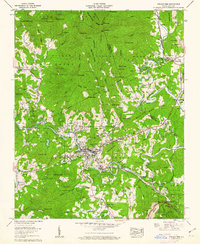 1960 Spruce Pine1962 Print · USGSSpruce Pine and the Toe River valley were bustling with mountain industry and rail transport in the early sixties. Genealogists and historians can trace family names and old landmarks across the Pisgah National Forest, including Altapass, the Clinchfield RR, and the Chestnut Flats Mine.5 unique versions available
 - 1960 Map of Newland, 1962 Print
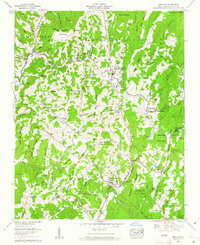 1960 Newland1962 Print · USGSThe high-country terrain of Avery County is captured here at the start of the 1960s, showing the mountain communities and river valleys of the Blue Ridge. Genealogists can trace family landmarks like Cuthbertson Cem and Sloop Chapel, while locating early recreation sites such as Lake Kawana and Camp Yonahnoka.4 unique versions available
 - 1960 Map of Iron Mountain Gap, 1962 Print
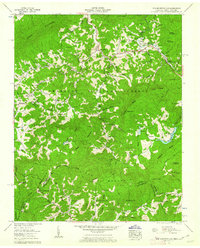 1960 Iron Mountain Gap1962 Print · USGSThe Tennessee and North Carolina borderlands are captured here during the mid-century, showing the deeply rooted mountain communities of Carter and Unicoi counties. Genealogists can locate numerous family cemeteries and remote sites like Woodby Hill, Little Mountain Sch, and the Appalachian Trail.4 unique versions available
 - 1960 Map of Elk Park, 1962 Print
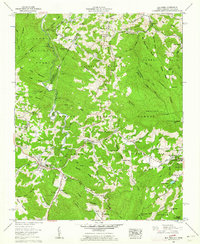 1960 Elk Park1962 Print · USGSThe high country of the North Carolina-Tennessee border is shown here during a period of transition in the early sixties. Genealogists and historians can trace family roots through numerous landmarks like Cranberry Mines, Lees-McRae College, and the Pritchard Cemetery.3 unique versions available
 - 1960 Map of Little Switzerland, 1962 Print
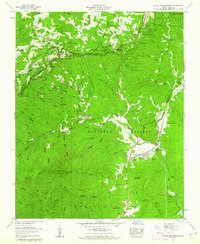 1960 Little Switzerland1962 Print · USGSThe Blue Ridge high country is captured here during the mid-century, defined by the winding parkway and the heavy engineering of the Clinchfield railroad. Local historians can trace a dozen mountain tunnels and visit remote landmarks like the Woods Mountain Lookout Tower and Collis Cem.5 unique versions available
 - 1960 Map of White Rocks Mountain, 1962 Print
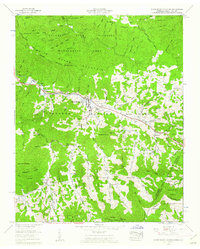 1960 White Rocks Mountain1962 Print · USGSHigh-altitude settlements and rugged border ridges define the landscape around the Tennessee and North Carolina line in the early sixties. Genealogists and hikers can trace the Appalachian Trail as it passes through Roan Mountain and past local landmarks like Cloudland High School and Magill Memorial Ch.3 unique versions available
 - 1960 Map of Dawson Crossroads, 1964 Print
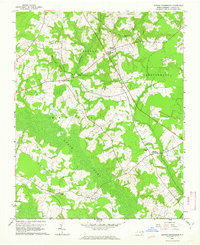 1960 Dawson Crossroads1964 Print · USGSCoastal plain wetlands and rural crossroads define this Halifax County landscape in the early sixties. Researchers can trace family history through several small burial grounds and churches, including Westray Cem, Whitaker Chapel, and Crowells Ch.
 - 1960 Map of Draughn, 1964 Print
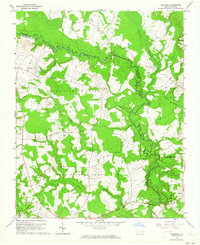 1960 Draughn1964 Print · USGSThe borderlands of Halifax and Edgecombe counties appear here in the early 1960s, a landscape defined by the winding course of Fishing Creek. Researchers can locate family landmarks like O'Neal Cem and local centers including Bethlehem Ch.
 - 1961 Map of Eastville
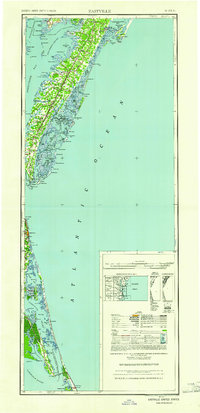 1961 Eastville1961 Print · USGSThe Eastern Shore and Outer Banks are captured here in the mid-twentieth century, showing a maritime landscape of lighthouses, rail-linked towns, and naval outposts. Researchers can trace the Pennsylvania Railroad through Parksley or locate historical sites like Chincoteague Field Naval Auxiliary Air Station and Tangier Island.
 - 1961 Map of Rome
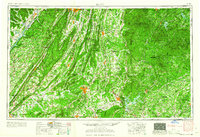 1961 Rome1961 Print · USGSNorthwest Georgia and neighboring Tennessee and Alabama are shown here at a moment of significant mid-century growth. Researchers can trace the rail networks of the Central of Georgia or locate landmarks within Chickamauga and Chattanooga Nat Military Park.
 - 1961 Map of Bryson City, 1964 Print
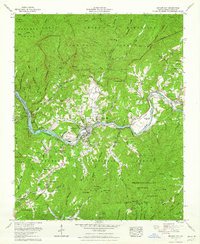 1961 Bryson City1964 Print · USGSThe Tuckasegee River valley and the southern edge of the Great Smoky Mountains are captured here in the early sixties. Researchers can find numerous family cemeteries and local landmarks, including Upper Noland Cem, Franklin Grove, and the Southern Railway line.3 unique versions available
 - 1961 Map of Whitakers, 1964 Print
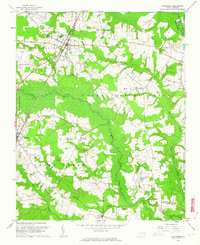 1961 Whitakers1964 Print · USGSCoastal Plain agriculture and rail travel define the Nash-Edgecombe borderlands during the early sixties. Researchers can trace family history through a network of small churches and crossroads like Jerusalem Ch, Speight Chapel, and Taylor Crossroads.2 unique versions available
Showing maps 1-25 of 252
Top cities of North Carolina
- Charlotte historical maps
- Raleigh historical maps
- Greensboro historical maps
- Durham historical maps
- Winston-Salem historical maps
- Fayetteville historical maps
See more
Top counties of North Carolina
- Mecklenburg County historical maps
- Wake County historical maps
- Guilford County historical maps
- Forsyth County historical maps
- Cumberland County historical maps
- Durham County historical maps
See more
Frequently asked questions
- What are the different types of historical maps available for North Carolina?
- What is the oldest map of North Carolina?
- Where can I purchase historical maps of North Carolina for my home or office?
- Where can I download high-res historical maps of North Carolina?
- Are there historical topographic maps available for North Carolina?
- Is there historical aerial imagery available for North Carolina?
- Where are historical maps of North Carolina sourced from?