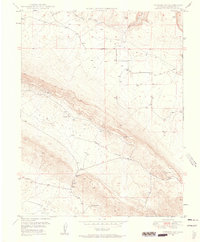
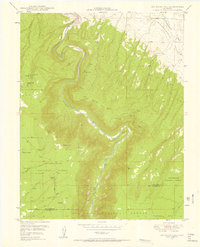
1948 Map of Gypsum Gap
USGS Topo · Published 1957About this map
The Atomic Energy Commission appears in the margin of this postwar San Miguel County survey, signaling the era's focus on uranium and mineral resources in the Colorado plateau. The landscape is dominated by the massive depression of Big Gypsum Valley and the neighboring Disappointment Valley, separated by the namesake Gypsum Gap. Industry at this time was clearly centered on extraction, as evidenced by named workings such as the Long Ridge Mines, Bald Eagle Mines, and Pitchfork Mines. Water is a critical and sparse resource in this environment, with features like Larson Spring and the drainage of Gypsum Creek providing essential landmarks for local navigation and ranching operations. The map details a network of unimproved roads and trails connecting these remote mining sites to the broader Dry Creek Basin.
Find a feature on this map
11 named features on this map. Tap any name to fly to it.
Don’t see what you’re looking for? This feature index may not catch every label — zoom into the map to look around manually.
Map Details
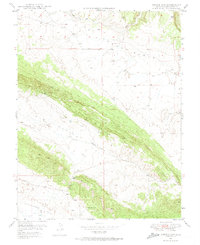
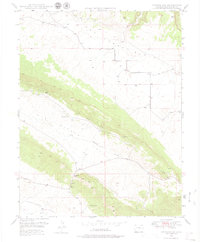
Editions of this 1948 Gypsum Gap Map
4 editions found
Other maps of this area
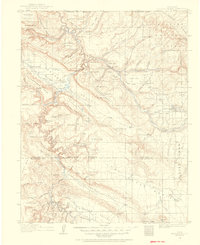
1916 · Paradox Valley
USGS Topo · 1:125,000
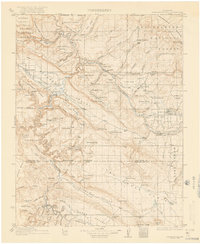
1922 · Paradox Valley
USGS Topo · 1:125,000
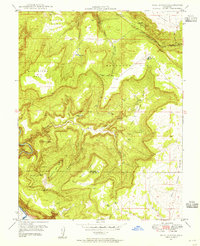
1948 · Bull Canyon
USGS Topo · 1:24,000
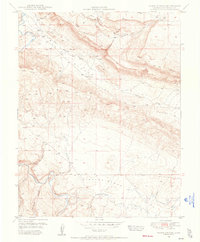
1948 · Hamm Canyon
USGS Topo · 1:24,000
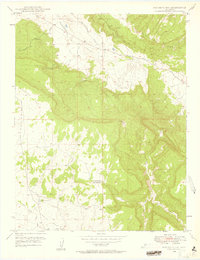
1948 · Naturita NW
USGS Topo · 1:24,000
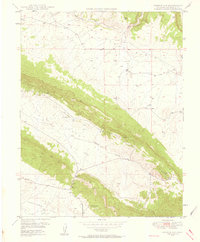
1948 · Gypsum Gap
USGS Topo · 1:24,000
1949 · Bull Canyon
USGS Topo · 1:24,000
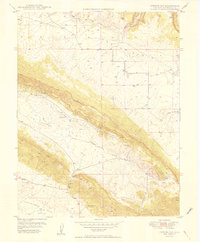
1949 · Gypsum Gap
USGS Topo · 1:24,000
1949 · Naturita NW
USGS Topo · 1:24,000
1949 · Joe Davis Hill
USGS Topo · 1:24,000