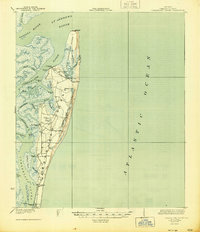
1930 Map of Cumberland Island
USGS Topo · Published 1944About this map
Cumberland Island and its smaller companion, Little Cumberland Island, dominate this coastal survey conducted just before the close of the First World War. The island's eastern shoreline faces the Atlantic Ocean, while its western edge is defined by a complex network of waterways including the Brickhill River and Cumberland Sound. These marshes and tidal creeks provided essential maritime access points, evidenced by landmarks like Dungeness Wharf, Plum Orchard Wharf, and Stafford Wharf.
Find a feature on this map
41 named features on this map. Tap any name to fly to it.
Don’t see what you’re looking for? This feature index may not catch every label — zoom into the map to look around manually.
Map Details
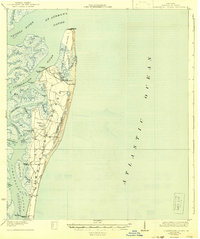
Editions of this 1930 Cumberland Island Map
3 editions found
Other maps of this area
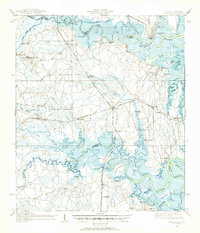
1918 · St Marys
USGS Topo · 1:62,500
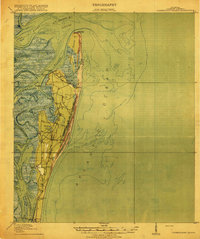
1918 · Cumberland Island
USGS Topo · 1:62,500
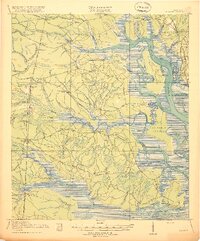
1918 · Bladen
USGS Topo · 1:62,500
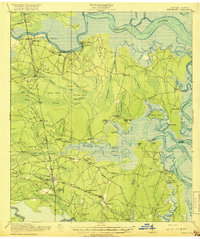
1918 · Kingsland
USGS Topo · 1:62,500
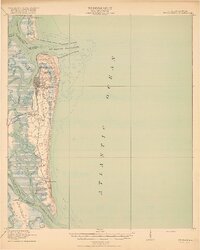
1919 · Fernandina
USGS Topo · 1:62,500
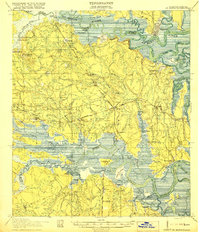
1919 · St Marys
USGS Topo · 1:62,500
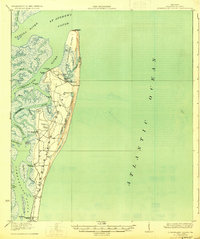
1930 · Cumberland Island
USGS Topo · 1:62,500
1939 · Bladen
USGS Topo · 1:62,500
1944 · Fernandina
USGS Topo · 1:62,500
1945 · Brunswick
USGS Topo · 1:62,500