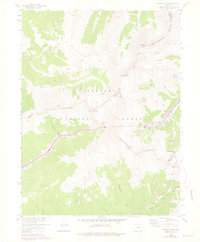
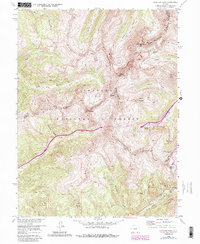
1958 Map of Loveland Pass
USGS Topo · Published 1976About this map
The Continental Divide serves as the literal backbone of this high-altitude landscape, defining the jagged boundaries between Grand, Summit, and Clear Creek counties. This mid-century survey, with revisions from the 1970s, captures a critical era of civil engineering in the Rockies, most notably the subterranean path of the Eisenhower Memorial Tunnel. While the tunnel bores beneath the mountains, the historic surface route over Loveland Pass remains a primary feature, winding through the Arapaho National Forest. The map documents a complex drainage network where the headwaters of the Middle Fork and South Fork Williams Fork begin their descent. High alpine peaks like Pettingell Peak and Hagar Mountain overlook the deep incisions of Herman Gulch and Dry Gulch, while small bodies of water such as Pass Lake and Herman Lake sit perched within the steep glacial terrain.
Find a feature on this map
30 named features on this map. Tap any name to fly to it.
Don’t see what you’re looking for? This feature index may not catch every label — zoom into the map to look around manually.
Map Details
Editions of this 1958 Loveland Pass Map
5 editions found
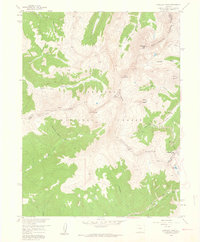
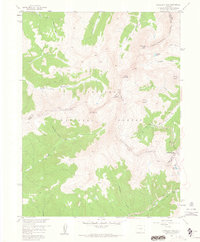
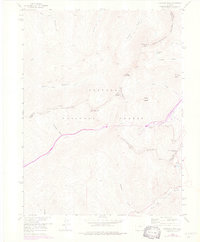
Other maps of this area
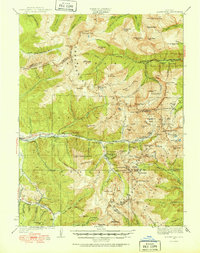
1924 · Montezuma
USGS Topo · 1:62,500
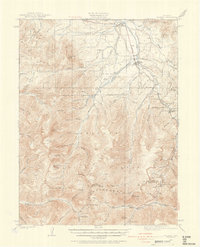
1924 · Fraser
USGS Topo · 1:62,500
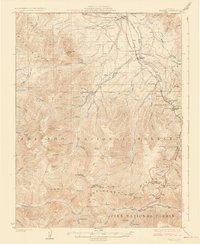
1926 · Fraser
USGS Topo · 1:62,500
1926 · Montezuma
USGS Topo · 1:62,500
1929 · Dillon
USGS Topo · 1:62,500
1933 · Montezuma
USGS Topo · 1:62,500
1933 · Ute Peak
USGS Topo · 1:62,500
1934 · Dillon
USGS Topo · 1:62,500
1937 · Ute Peak
USGS Topo · 1:62,500
1953 · Denver
USGS Topo · 1:250,000