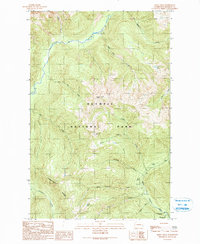
1990 Map of Kimta Peak
USGS Topo · Published 1990About this map
Kimta Peak stands as the central high point of this 1990 provisional survey, marking a watershed within Olympic National Park. The landscape is defined by the steep drainage basins of the Queets River and the North Fork Quinault River, where numerous creeks such as Hee Haw Creek and Tshletshy Creek carve through high-elevation ridges. The 1980s field checks and aerial photography captured a wilderness area largely devoid of roads, emphasizing trails and remote backcountry infrastructure. Hikers and researchers can identify historical markers of the era's recreational network, including the Trapper Shelter and the Halfway House Campsite along the river banks. Along the southern boundary, Tshletshy Ridge and the alpine waters of Kurtz Lake and Lake Beauty highlight the extreme topography and natural glacial features characteristic of this part of the Olympic Peninsula.
Find a feature on this map
22 named features on this map. Tap any name to fly to it.
Don’t see what you’re looking for? This feature index may not catch every label — zoom into the map to look around manually.
Map Details
Editions of this 1990 Kimta Peak Map
2 editions found
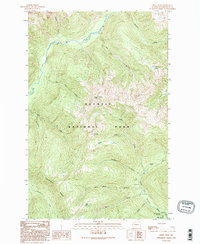
Other maps of this area
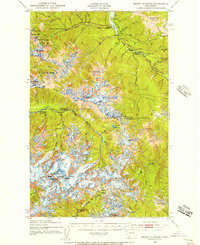
1935 · Mount Olympus
USGS Topo · 1:62,500
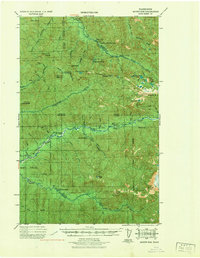
1939 · Mount Tom
USGS Topo · 1:62,500
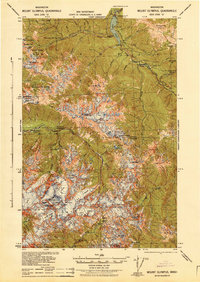
1942 · Mount Olympus
USGS Topo · 1:62,500
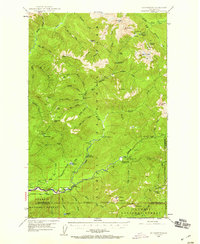
1947 · Mt Christie
USGS Topo · 1:62,500
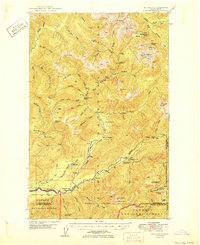
1950 · Mt Christie
USGS Topo · 1:62,500
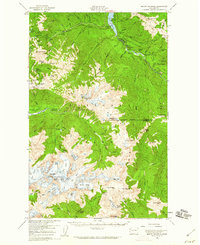
1956 · Mount Olympus
USGS Topo · 1:62,500
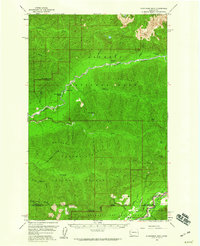
1956 · Kloochman Rock
USGS Topo · 1:62,500
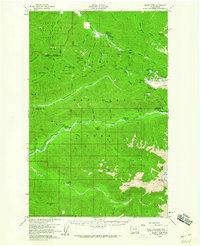
1956 · Mount Tom
USGS Topo · 1:62,500
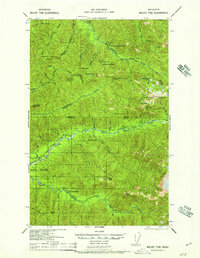
1957 · Mount Tom
USGS Topo · 1:62,500
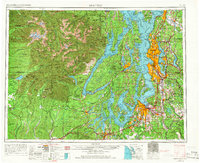
1958 · Seattle
USGS Topo · 1:250,000