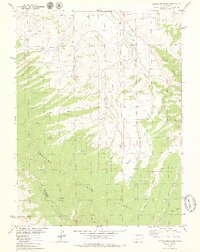
1979 Map of Battle Mountain
USGS Topo · Published 1979About this map
Arapaho National Forest dominates the southern half of this landscape, where the Williams Fork Mountains reach their heights at Williams Peak. The topography is defined by the complex drainage of Battle Creek and its many tributaries, including North Battle Creek and South Battle Creek, which flow through deep gulches like Mc Queary Gulch and Johnson Gulch. The map reveals a high-altitude wilderness shaped by modest human activity, indicated by several Gravel Pits and a remote Landing Strip near the Williams Fork. Along the western boundary, Jessmer stands as a named point of interest among a network of jeep trails. This survey captures the transition from the steep, forested slopes of Battle Mountain to the lower creek bottoms before modern developments altered the access to these remote reaches of Grand and Summit counties.
Find a feature on this map
30 named features on this map. Tap any name to fly to it.
Don’t see what you’re looking for? This feature index may not catch every label — zoom into the map to look around manually.
Map Details
Editions of this 1979 Battle Mountain Map
4 editions found
Other maps of this area
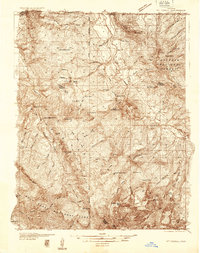
1933 · Mt. Powell
USGS Topo · 1:48,000
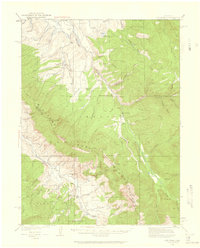
1933 · Ute Peak
USGS Topo · 1:62,500
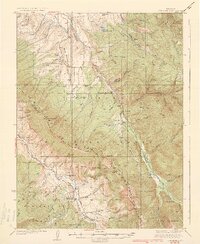
1937 · Ute Peak
USGS Topo · 1:62,500
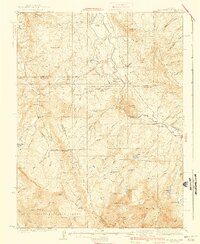
1940 · Mount Powell
USGS Topo · 1:62,500
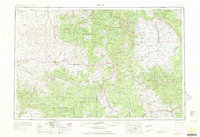
1954 · Craig
USGS Topo · 1:250,000
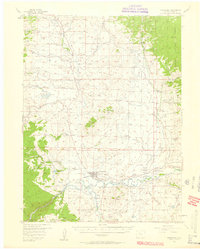
1956 · Kremmling
USGS Topo · 1:62,500
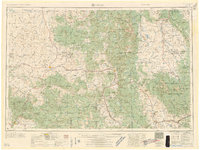
1957 · Craig
USGS Topo · 1:250,000
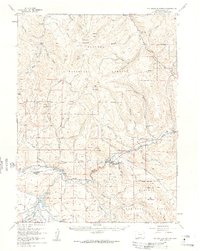
1957 · Hot Sulphur Springs
USGS Topo · 1:62,500
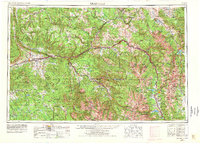
1957 · Leadville
USGS Topo · 1:250,000
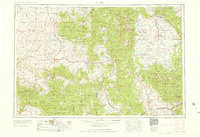
1958 · Craig
USGS Topo · 1:250,000