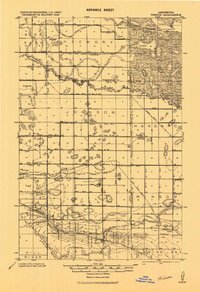
1919 Map of Winsor
USGS Topo · Published 1943About this map
The Red Lake Indian Reservation dominates the northeastern landscape of this 1919 survey, where timbered tracts and marshy limits define the terrain. This era of northern Minnesota history is characterized by massive drainage projects, evidenced by a dense network of canals including Jud. Ditch No. 1 & No. 3, Judicial Ditch No. 4, and Ditch No. 109 that crisscross the townships. Small agrarian hubs like Winsor, Wanke, and Griebrok serve as focal points for local commerce and community, while the Saint Paul Minneapolis and Manitoba line provides critical transit through the southern portion. The map details the transition from natural watercourses like the Clearwater River and Lost River to an engineered agricultural landscape. Genealogists can find numerous Schools, Churches, and Cemeteries marking the locations of early 20th-century rural communities.
Find a feature on this map
38 named features on this map. Tap any name to fly to it.
Don’t see what you’re looking for? This feature index may not catch every label — zoom into the map to look around manually.
Map Details
Editions of this 1919 Winsor Map
2 editions found
Other maps of this area
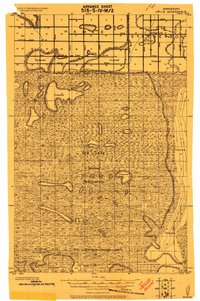
1918 · Jelle
USGS Topo · 1:62,500
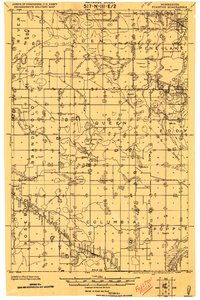
1919 · Fosston
USGS Topo · 1:62,500
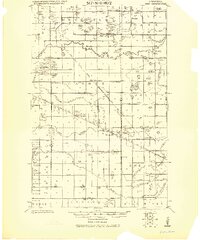
1919 · Grit
USGS Topo · 1:62,500
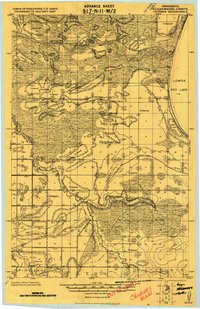
1919 · Churnes
USGS Topo · 1:62,500
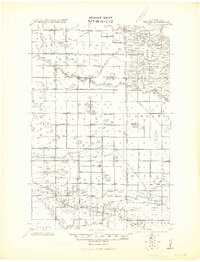
1919 · Winsor
USGS Topo · 1:62,500
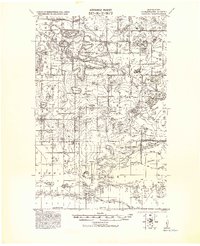
1943 · Bagley
USGS Topo · 1:62,500
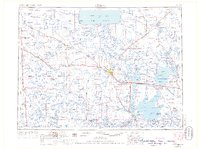
1954 · Bemidji
USGS Topo · 1:250,000
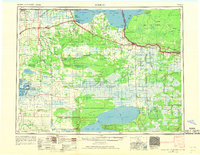
1954 · Roseau
USGS Topo · 1:250,000
1957 · Roseau
USGS Topo · 1:250,000
1957 · Bemidji
USGS Topo · 1:250,000