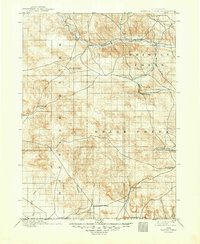
1899 Map of Whistle Creek
USGS Topo · Published 1949About this map
Agate and isolated homesteads like Corbin's Ranch anchor this late nineteenth-century survey of the Nebraska panhandle. The landscape is defined by the Niobrara River and its intricate network of drainage systems, including Snake Creek and Whistle Creek. This 1895 reconnaissance by topographer Jno. H. Renshawe documents a crucial period of early ranching development in Sioux County, where reliable water sources were the primary driver of settlement. Numerous natural landmarks like Spottedtail Springs, Mud Springs, and Wind Springs are meticulously plotted, serving as vital waypoints for travelers on the 33 Trail. The map reveals a transition from open prairie to more complex terrain features like Coyote Canyon, providing a clear look at the region's topography before the widespread modernization of the Great Plains.
Find a feature on this map
21 named features on this map. Tap any name to fly to it.
Don’t see what you’re looking for? This feature index may not catch every label — zoom into the map to look around manually.
Map Details
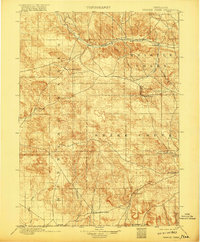
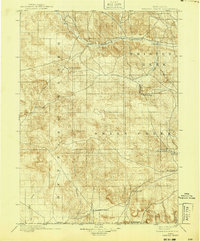
Editions of this 1899 Whistle Creek Map
4 editions found
Other maps of this area
1896 · Patrick
USGS Topo · 1:125,000
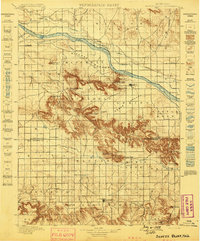
1898 · Scotts Bluff
USGS Topo · 1:125,000
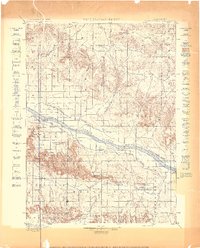
1898 · Camp Clarke
USGS Topo · 1:125,000
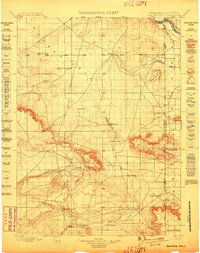
1899 · Goshen Hole
USGS Topo · 1:125,000
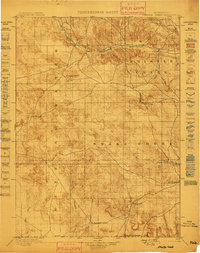
1899 · Whistle Creek
USGS Topo · 1:125,000
1951 · Marsland
USGS Topo · 1:62,500
1951 · Kilpatrick Lake
USGS Topo · 1:62,500
1954 · Scottsbluff
USGS Topo · 1:250,000
1954 · Torrington
USGS Topo · 1:250,000
1954 · Cheyenne
USGS Topo · 1:250,000