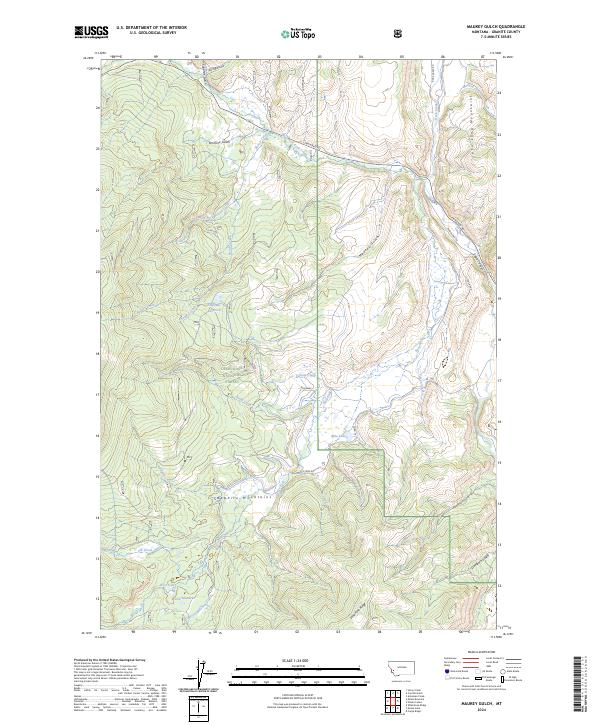
2024 Map of Maukey Gulch
USGS Topo · Published 2024About this map
Deerlodge National Forest covers much of this high-country terrain, where the Sapphire Mountains and John Long Mountains converge. The landscape is defined by a dense network of drainages and canyons, including Eagle Canyon and Maukey Gulch, which feed into major waterways like the West Fork Rock Creek and Beaver Creek. High-elevation water management is evident at Stephens Reservoir, while natural features like Milo Lake and the wide Moose Meadows along Moose Meadow Creek indicate the glacial and alluvial history of the region. This modern topographic study shows a wilderness area largely accessed by forest roads such as Skalkaho Rd and Ross Fork Rd, reflecting a landscape managed for conservation and timber within the national forest system.
Find a feature on this map
55 named features on this map. Tap any name to fly to it.
Don’t see what you’re looking for? This feature index may not catch every label — zoom into the map to look around manually.
Map Details
Editions of this 2024 Maukey Gulch Map
This is the sole edition of this map. No revisions or reprints were ever made.
Other maps of this area
1908 · Philipsburg
USGS Topo · 1:125,000
1909 · Sapphire
USGS Topo · 1:125,000
1947 · Butte
USGS Topo · 1:250,000
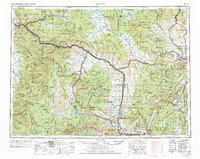
1958 · Butte
USGS Topo · 1:250,000
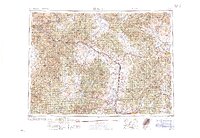
1960 · Butte
USGS Topo · 1:250,000
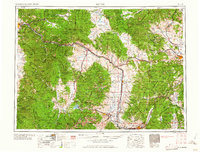
1962 · Butte
USGS Topo · 1:250,000
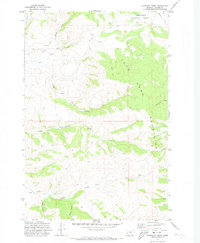
1971 · Antelope Creek
USGS Topo · 1:24,000
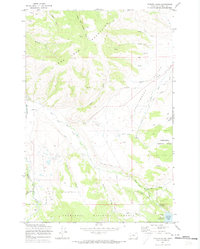
1971 · Potato Lakes
USGS Topo · 1:24,000
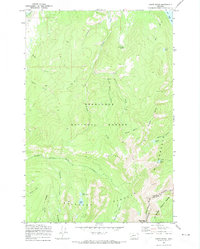
1971 · Carpp Ridge
USGS Topo · 1:24,000
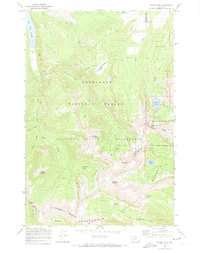
1971 · Stony Creek
USGS Topo · 1:24,000