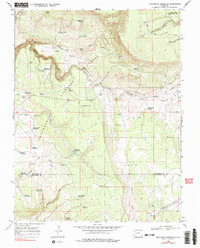
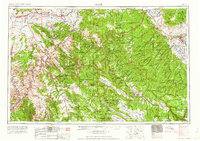
1967 Map of Hotchkiss Reservoir
USGS Topo · Published 1978About this map
Uncompahgre National Forest dominates this high-altitude landscape, where a sophisticated network of small reservoirs and seasonal camps supported the region's land use during the late 1960s. The terrain is defined by the significant elevation of Horsefly Peak and the drainage of Horsefly Creek, punctuated by numerous water storage sites including Hotchkiss Reservoir, Barnes Mill Reservoir, and the Loss Reservoir. These water sources were critical for the various outposts scattered across the forest, such as Jutten Camp, Galloway Camp, and Weimer Camp. The map also captures the intersecting boundaries of Ouray, Montrose, and San Miguel counties, illustrating the remote administrative divisions of the Western Slope. Traces of historical travel are preserved in the form of the Horsefly Trail and various pack trails that navigate the steep contours near Coyote Knob.
Find a feature on this map
49 named features on this map. Tap any name to fly to it.
Don’t see what you’re looking for? This feature index may not catch every label — zoom into the map to look around manually.
Map Details
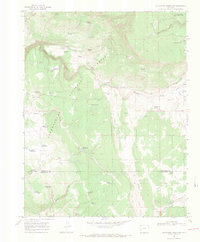
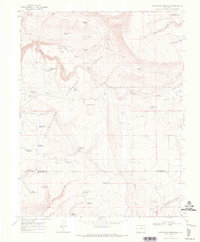
Editions of this 1967 Hotchkiss Reservoir Map
3 editions found
Other maps of this area
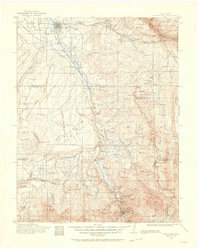
1909 · Montrose
USGS Topo · 1:125,000
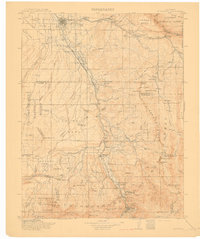
1911 · Montrose
USGS Topo · 1:125,000
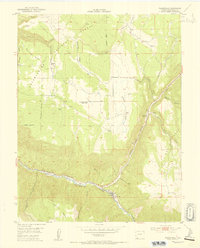
1953 · Placerville
USGS Topo · 1:24,000
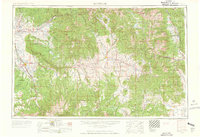
1956 · Montrose
USGS Topo · 1:250,000
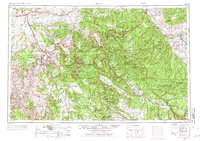
1956 · Moab
USGS Topo · 1:250,000
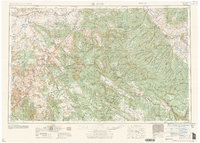
1959 · Moab
USGS Topo · 1:250,000
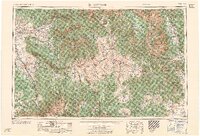
1959 · Montrose
USGS Topo · 1:250,000
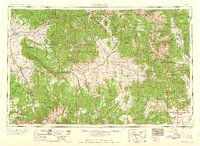
1960 · Montrose
USGS Topo · 1:250,000
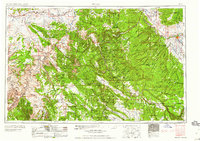
1960 · Moab
USGS Topo · 1:250,000
1962 · Moab
USGS Topo · 1:250,000