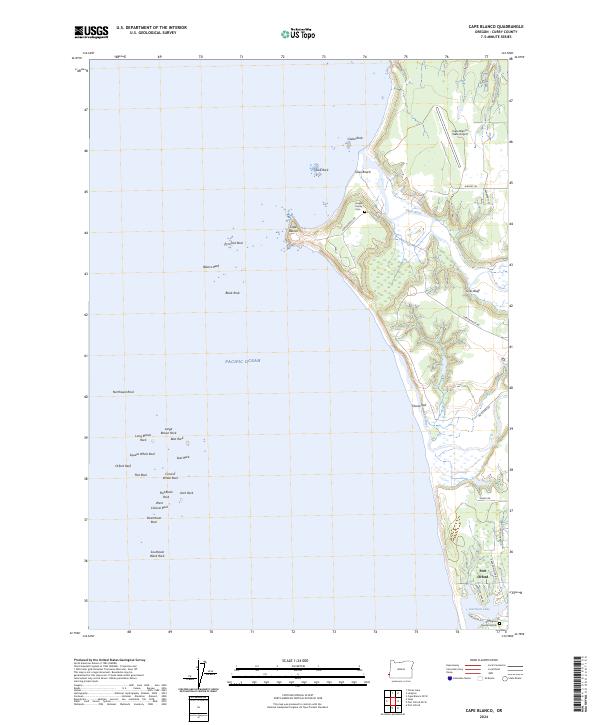
2024 Map of Cape Blanco
USGS Topo · Published 2024About this map
Cape Blanco projects sharply into the Pacific Ocean, forming the westernmost point of land depicted in this coastal survey. The landscape is defined by the heavy influence of the Oregon Islands National Wildlife Refuge, which encompasses numerous offshore landforms such as Blanco Reef, Orford Reef, and distinctive stacks like Steamboat Rock and Castle Rock. On the mainland, the Sixes River and Elk River move through the coastal lowlands, creating a complex of wetlands and alluvial flats behind Sixes Beach and Tituna Spit.
Find a feature on this map
47 named features on this map. Tap any name to fly to it.
Don’t see what you’re looking for? This feature index may not catch every label — zoom into the map to look around manually.
Map Details
Editions of this 2024 Cape Blanco Map
This is the sole edition of this map. No revisions or reprints were ever made.
Other maps of this area
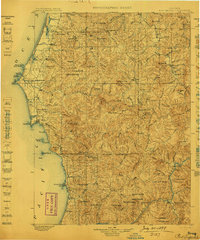
1899 · Port Orford
USGS Topo · 1:125,000
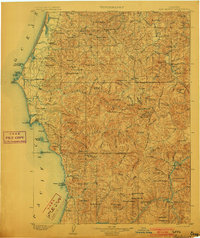
1903 · Port Orford
USGS Topo · 1:125,000
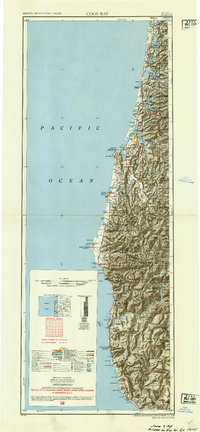
1954 · Coos Bay
USGS Topo · 1:250,000
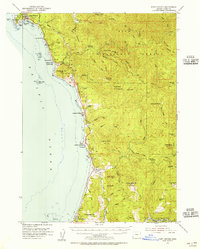
1954 · Port Orford
USGS Topo · 1:62,500
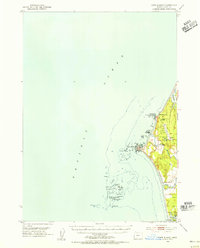
1954 · Cape Blanco
USGS Topo · 1:62,500
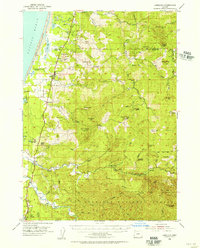
1954 · Langlois
USGS Topo · 1:62,500
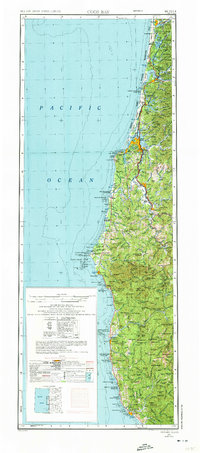
1958 · Coos Bay
USGS Topo · 1:250,000
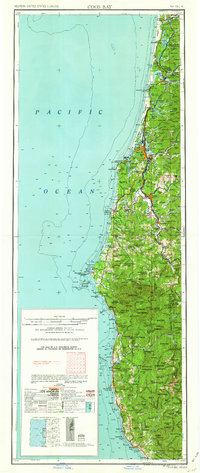
1962 · Coos Bay
USGS Topo · 1:250,000
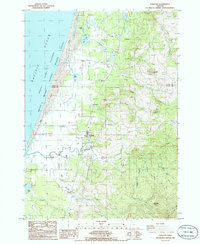
1986 · Langlois
USGS Topo · 1:24,000
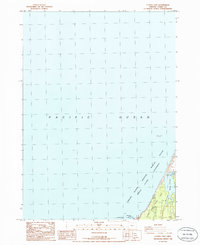
1986 · Floras Lake
USGS Topo · 1:24,000