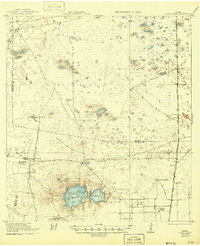
1922 Map of La Sal Vieja
USGS Topo · Published 1946About this map
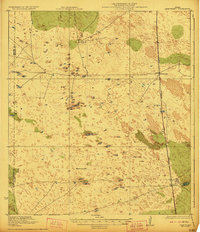
La Sal Vieja dominates the lower portion of this landscape, its large salt lake basins providing a stark contrast to the surrounding terrain of South Texas. Surveyed in the early 1920s, the map reveals a ranch-based economy defined by isolated family holdings such as Andres Ranch and San Jose de los Llanitos Ranch. This was a period of transition for the region, where the vast open spaces of Hidalgo, Kenedy, and Willacy counties were increasingly connected to the outside world. The St Louis Brownsville and Mexico railroad cuts a straight north-south line through the eastern portion of the sheet, providing vital transportation for remote outposts like Rudolph and Yturria. The density of named ranches, including La Tordilla Ranch and Jesus Maria Ranch, illustrates the localized footprint of development in this brush country before the expansion of more modern infrastructure.
Find a feature on this map
18 named features on this map. Tap any name to fly to it.
Don’t see what you’re looking for? This feature index may not catch every label — zoom into the map to look around manually.
Map Details
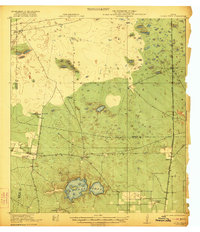
Editions of this 1922 La Sal Vieja Map
3 editions found
Other maps of this area
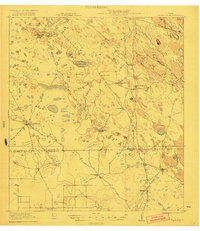
1921 · Tarida Ranch
USGS Topo · 1:62,500
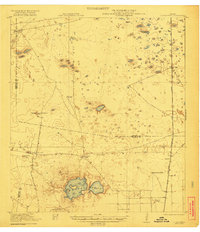
1922 · La Sal Vieja
USGS Topo · 1:62,500
1923 · Armstrong
USGS Topo · 1:62,500
1923 · Saltillo Ranch
USGS Topo · 1:62,500
1939 · Linn
USGS Topo · 1:62,500
1949 · Mc Allen
USGS Topo · 1:250,000
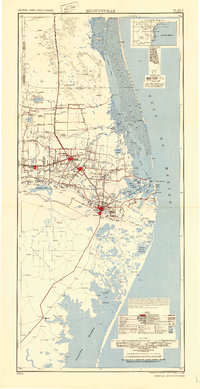
1953 · Brownsville
USGS Topo · 1:250,000
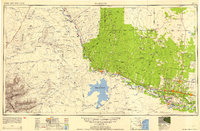
1954 · McAllen
USGS Topo · 1:250,000
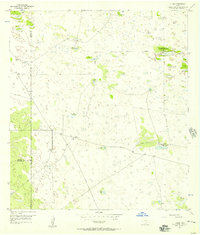
1956 · Julian
USGS Topo · 1:24,000
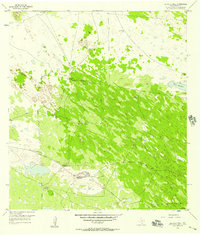
1956 · Saltillo Well
USGS Topo · 1:24,000