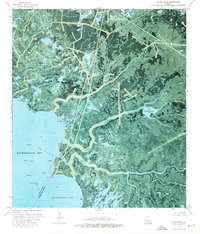
1974 Map of Plumb Bayou
USGS Topo · Published 1976About this map
Industrial expansion meets the complex marshlands of coastal Louisiana in this 1974 orthophotomap. The landscape is a detailed network of natural waterways and man-made infrastructure, where Pipeline corridors and straight-cut Canals intersect the winding paths of Plumb Bayou and Creole Bayou. The southern reach of the map is dominated by the open waters of Atchafalaya Bay and Fourleague Bay, separated by the strategically located Halters Island (Rabbit Island). This era of the Gulf Coast is defined by heavy energy extraction, evidenced by the sprawling footprints of the West Deer Island Oil Field and the Halters Island Oil and Gas Field. Numerous Platforms and Drill Holes are visible across the wetlands, illustrating the intensity of offshore and marsh-based oil and gas operations. Small landmarks like Halters Island Point Light provide essential navigation aids for vessels threading through Creole Pass amidst the encroaching tide and shifting silt.
Find a feature on this map
32 named features on this map. Tap any name to fly to it.
Don’t see what you’re looking for? This feature index may not catch every label — zoom into the map to look around manually.
Map Details
Editions of this 1974 Plumb Bayou Map
2 editions found
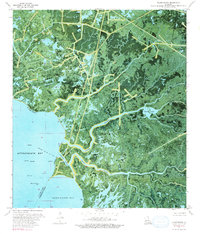
Other maps of this area
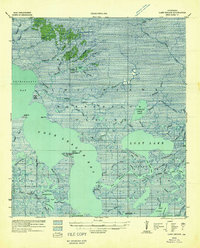
1932 · Lake Decade
USGS Topo · 1:62,500
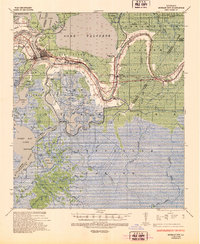
1935 · Morgan City
USGS Topo · 1:62,500
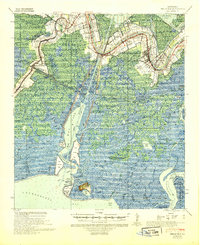
1941 · Belle Isle
USGS Topo · 1:62,500
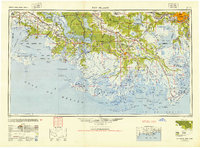
1945 · New Orleans
USGS Topo · 1:250,000
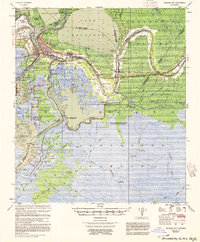
1954 · Morgan City
USGS Topo · 1:62,500
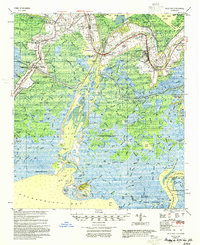
1954 · Belle Isle
USGS Topo · 1:62,500
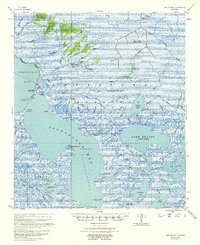
1957 · Lake Decade
USGS Topo · 1:62,500
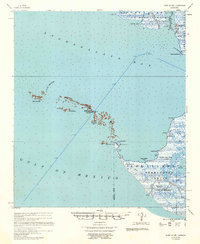
1957 · Point Au Fer
USGS Topo · 1:62,500
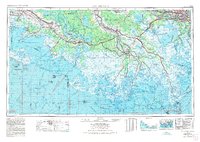
1963 · New Orleans
USGS Topo · 1:250,000
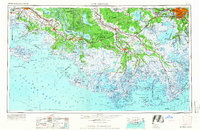
1966 · New Orleans
USGS Topo · 1:250,000