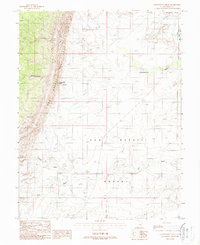
1988 Map of Greasewood Draw
USGS Topo · Published 1988About this map
San Rafael Reef forms a dramatic uplifted barrier along the western edge of this 1980s landscape, marking the transition into the vast San Rafael Desert to the east. The terrain is defined by a network of seasonal drainages, including Iron Wash, Straight Wash, and Greasewood Draw, which cut through the arid soil toward the San Rafael River at the northeastern corner. Evidence of human activity is sparse but specific, with a remote Landing Strip and Greasewood Tank situated on the higher ground of Shadscale Mesa. The map reflects a period when access was primarily limited to 4wd tracks, preserving the character of this corner of Emery County. These tracks weave between the rocky outcrops and dry washes, following the natural contours of the desert floor before it rises toward the massive limestone and sandstone formations of the reef.
Find a feature on this map
13 named features on this map. Tap any name to fly to it.
Don’t see what you’re looking for? This feature index may not catch every label — zoom into the map to look around manually.
Map Details
Editions of this 1988 Greasewood Draw Map
This is the sole edition of this map. No revisions or reprints were ever made.
Other maps of this area
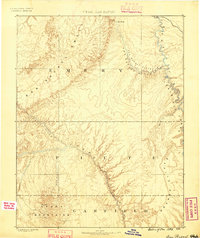
1885 · San Rafael
USGS Topo · 1:250,000
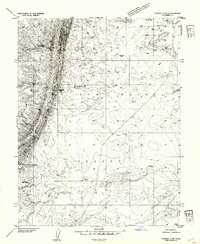
1953 · Tidwell 2 SW
USGS Topo · 1:24,000
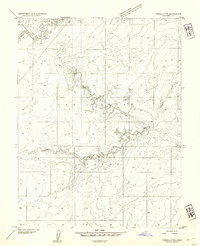
1953 · Tidwell 3 NW
USGS Topo · 1:24,000
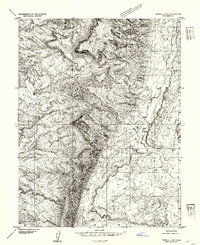
1953 · Tidwell 2 NW
USGS Topo · 1:24,000
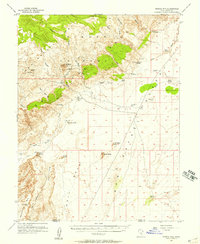
1953 · Temple Mtn
USGS Topo · 1:62,500
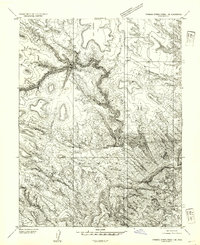
1954 · Stinking Spring Creek 1 SE
USGS Topo · 1:24,000
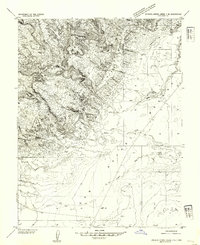
1954 · Stinking Spring Creek 4 NE
USGS Topo · 1:24,000
1954 · Stinking Spring Creek 1 NE
USGS Topo · 1:24,000
1954 · Tidwell 2 SE
USGS Topo · 1:24,000
1954 · Tidwell 2 NE
USGS Topo · 1:24,000