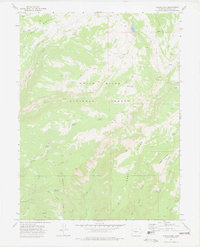
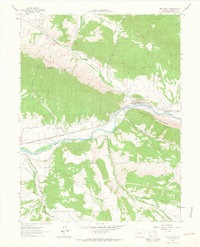
1974 Map of Adams Lake
USGS Topo · Published 1978About this map
White River National Forest defines this high-altitude landscape in the mid-1970s, characterized by the expansive White River Plateau and Clinetop Mesa. The terrain is marked by significant topographical shifts, from the heights of Flatiron Mountain down into deep drainages like Fuches Gulch and Bearwallow Canyon. This era represents a period of backcountry management where remote water sources like Second Set Spring, Third Set Spring, and Boiler Spring served as vital landmarks for those navigating the forest's interior.
Find a feature on this map
25 named features on this map. Tap any name to fly to it.
Don’t see what you’re looking for? This feature index may not catch every label — zoom into the map to look around manually.
Map Details
Editions of this 1974 Adams Lake Map
3 editions found
Other maps of this area
1906 · Grand Hogback
USGS Topo · 1:125,000
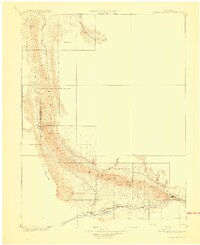
1910 · Grand Hogback
USGS Topo · 1:125,000
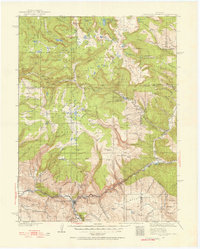
1927 · Glenwood Springs
USGS Topo · 1:125,000
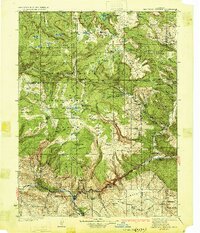
1930 · Glenwood Springs
USGS Topo · 1:125,000
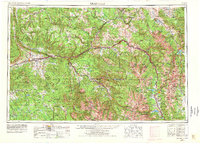
1957 · Leadville
USGS Topo · 1:250,000
1959 · Leadville
USGS Topo · 1:250,000
1960 · Leadville
USGS Topo · 1:250,000
1961 · Glenwood Springs
USGS Topo · 1:24,000
1962 · Leadville
USGS Topo · 1:250,000
1962 · New Castle
USGS Topo · 1:24,000