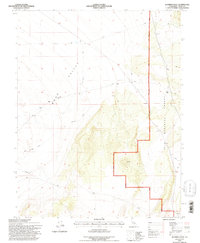
1994 Map of Alameda Well
USGS Topo · Published 1994About this map
Mono Valley occupies the expansive western portion of this 1994 topographic survey, characterized by high-altitude arid basins and prominent relief. The landscape is defined by its water management and early transportation history, notably featuring the Old Railroad Grade that winds through the foothills toward the valley floor. This infrastructure reflects the region's historical reliance on rail for moving resources across the transition between the valley and the surrounding heights of the Inyo National Forest. Isolated outposts like Alameda Well and Deep Wells stand as critical landmarks in this dry environment, indicating where subsurface water was tapped for ranching or forestry needs. To the east, the terrain rises sharply toward Cedar Hill, marking the edge of the Mono Lake Ranger District Boundary in a region where remote forest service access via 4WD tracks remains the primary method of navigation.
Find a feature on this map
14 named features on this map. Tap any name to fly to it.
Don’t see what you’re looking for? This feature index may not catch every label — zoom into the map to look around manually.
Map Details
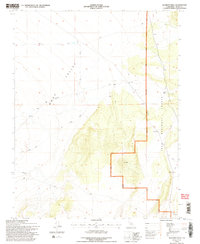
Editions of this 1994 Alameda Well Map
2 editions found
Other maps of this area
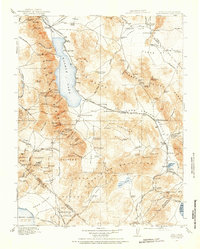
1909 · Hawthorne
USGS Topo · 1:250,000
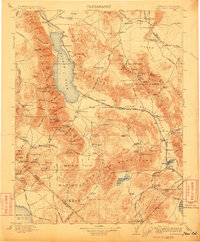
1911 · Hawthorne
USGS Topo · 1:250,000
1914 · Mt. Morrison
USGS Topo · 1:125,000
1915 · Hawthorne
USGS Topo · 1:250,000
1947 · Mariposa
USGS Topo · 1:250,000
1948 · Walker Lake
USGS Topo · 1:250,000
1948 · Mariposa
USGS Topo · 1:250,000
1957 · Walker Lake
USGS Topo · 1:250,000
1957 · Mariposa
USGS Topo · 1:250,000
1958 · Trench Canyon
USGS Topo · 1:62,500