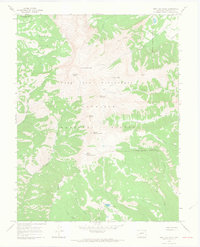
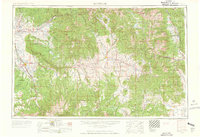
1965 Map of West Elk Peak
USGS Topo · Published 1968About this map
West Elk Peak dominates this high-altitude landscape within the West Elk Wilderness, a region characterized by dramatic geological formations and remote alpine basins. Surveyed in the mid-1960s, the map reveals a network of high-country pathways such as the Mill-Castle Trail and the Steuben Trail, which provided the primary means of traversal through the Gunnison National Forest before more modern infrastructure reached these heights. Notable landmarks like the spire-like rocks of The Castles and the high waters of Rainbow Lake serve as primary orientation points for those navigating the transition between Soap Basin and West Elk Basin. The absence of roads underscores the area's status as a protected wilderness, where natural drainages like Castle Creek and Willow Creek dictate the movement of travelers through passes such as Storm Pass.
Find a feature on this map
29 named features on this map. Tap any name to fly to it.
Don’t see what you’re looking for? This feature index may not catch every label — zoom into the map to look around manually.
Map Details
Editions of this 1965 West Elk Peak Map
3 editions found
Other maps of this area
1888 · Anthracite
USGS Topo · 1:62,500
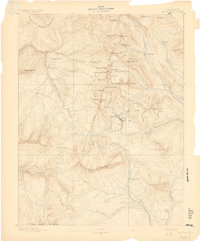
1889 · Anthracite
USGS Topo · 1:62,500
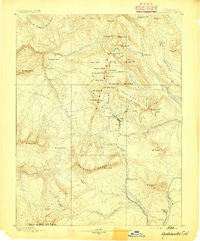
1893 · Anthracite
USGS Topo · 1:62,500
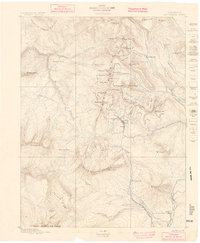
1894 · Anthracite
USGS Topo · 1:62,500
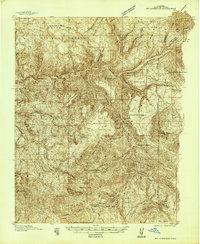
1938 · Mt. Gunnison
USGS Topo · 1:48,000
1945 · Mount Gunnison
USGS Topo · 1:62,500
1954 · Mc Intosh Mountain
USGS Topo · 1:24,000
1954 · West Elk Peak SW
USGS Topo · 1:24,000
1954 · Little Soap Park
USGS Topo · 1:24,000
1956 · Montrose
USGS Topo · 1:250,000